English
 中文简体
中文简体 русский
 Español
 Deutsch
ndl ndl ndl ndl ndl ndl ndl ndl ndl ndl ndl ndl ndl ndl ndl ndl
Mechanical components that provide controlled force, motion support, and precision return behavior continue to play important roles in industrial systems, commercial equipment, and consumer devices. Among these essential components, engineered springs are widely used due to their ability to store mechanical energy and release it in a predictable manner. As industries evolve toward compact assemblies, smarter mechanisms, and more refined user-operated movement, spring design has become an increasingly important subject for engineers, buyers, and equipment developers. The rising attention surrounding Helical Tension Springs, Constant Force Springs, and Miniature Compression Springs reflects the growing need to understand different spring structures, force behaviors, and application suitability across diverse mechanical environments.
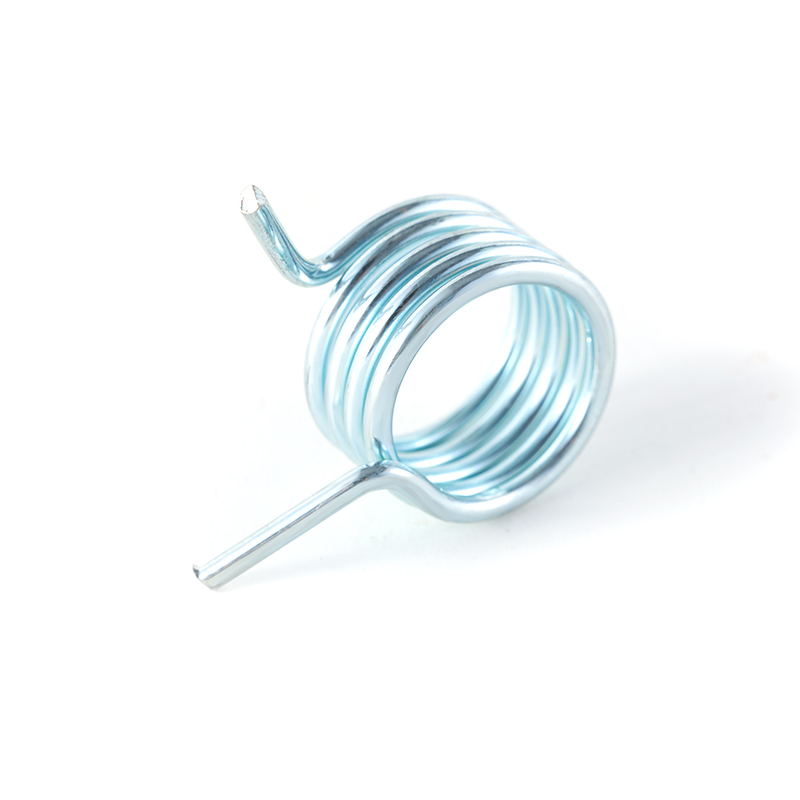
Research trends indicate that spring selection is becoming more critical as product categories evolve. Industrial automation requires consistent motion cycles, transportation systems require reliability under vibration, medical devices require smooth tactile response, and compact electronic equipment requires miniature force components. These needs have contributed to increased awareness of how geometry, material, and mechanical load properties influence performance across different spring classifications. As a result, designers and sourcing professionals increasingly compare Helical Tension Springs for extension applications, Constant Force Springs for linear force control, and Miniature Compression Springs for confined installation spaces.
Helical Tension Springs are defined by their tightly wound coil structure and attachment ends that allow for connection between two separate components. They operate under tensile load, creating return motion when extended. Their performance depends on coil count, wire diameter, pitch spacing, stress distribution, and end-loop configuration. Engineers focusing on these springs examine parameters such as initial tension, fatigue life, extension before deformation, and energy return behavior during repeated cycling. These springs are found in lever mechanisms, exercise machines, agricultural implements, industrial closures, and various actuation systems where pull-force behavior is required.
Growing online research interest centers on adjustable tension setups, corrosion resistance, and compatibility with specific mounting geometries. As more industries adopt manual-assist and user-interactive mechanical systems, Helical Tension Springs retain relevance due to their predictable extension characteristics.
Unlike coil-based springs, Constant Force Springs produce a relatively uniform force throughout their movement range. Their structure consists of pre-stressed strip material that naturally coils and uncoils. The output force is determined by strip width, thickness, curvature, and material elasticity. Engineers evaluating Constant Force Springs consider installation alignment, travel length, mounting points, recoil behavior, friction interaction, and cycle expectations. These springs are used in applications such as retractable instruments, balance-assist devices, lifting panels, cable management systems, display supports, and ergonomic lifting aids.
As industries increasingly adopt lightweight operation and resistance-free motion characteristics, Constant Force Springs have become more commonly evaluated in design studies and component selection planning. Discussions often focus on smooth-motion performance, vibration behavior, low-force handling, and compact motion pathways.
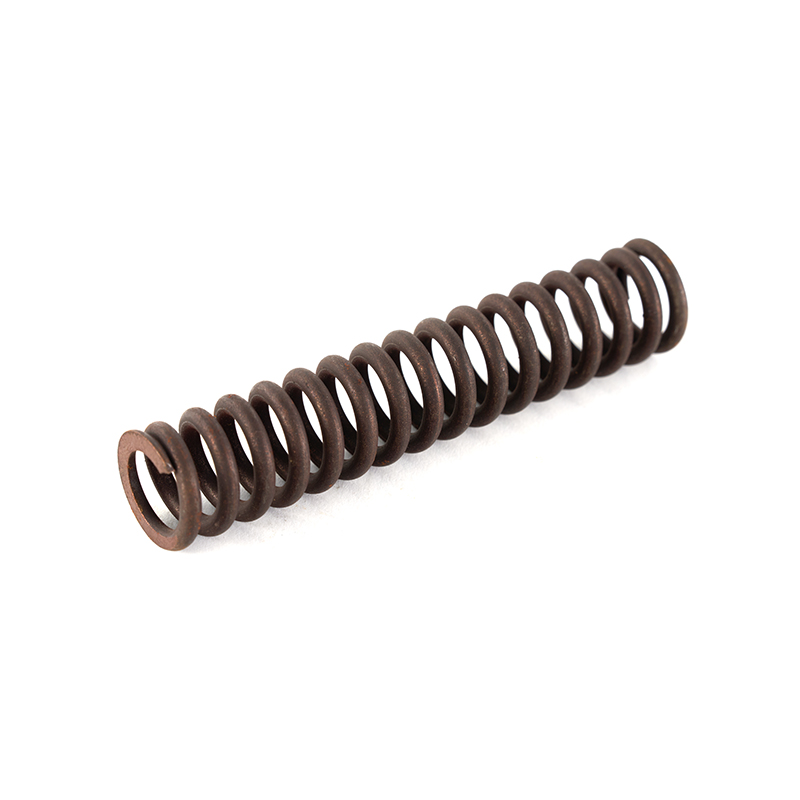
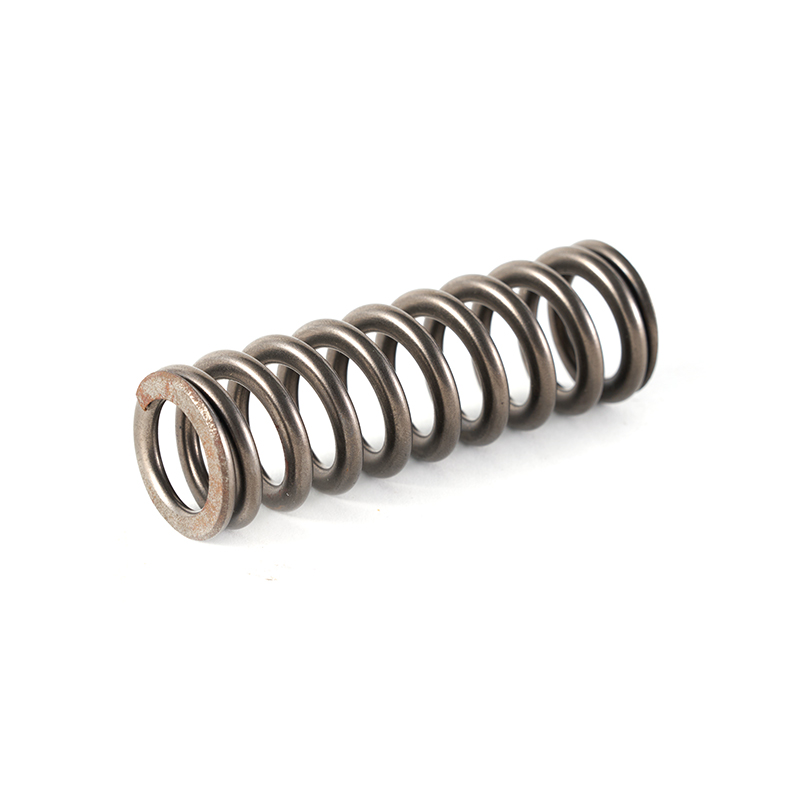
Miniature Compression Springs support mechanisms where compact dimensions, fine motion, and precise compressive response are required. These springs are characterized by small wire diameters, fine tolerances, consistent load gradients, and controlled coil shaping. Engineers evaluating these springs examine end-coil finishing, surface treatment, load predictability, deformation limits, installation clearance, and temperature resistance. Miniature Compression Springs are widely used in micro-switches, portable electronics, medical sensor modules, instrument calibration systems, wearable technologies, and compact mechanical triggers.
As consumer devices shrink and integrated electronics become more advanced, the need for Miniature Compression Springs continues to expand. Search patterns suggest increasing interest in applications involving lightweight structures, tactile response controls, and micro-motion regulation.
Understanding the distinctions among spring categories supports accurate design decisions. Key differentiators include:
Engineers selecting components evaluate:
These evaluation points have become increasingly common across sourcing inquiries, research articles, and mechanical development documentation.
Performance consistency and durability continue to be central concerns across spring applications. Key influencing factors include:
Industries working with continuous cycling equipment, vibration-sensitive equipment, and compact precision devices increasingly require predictable performance metrics. This growing expectation has contributed to rising discussions around spring longevity, coating processes, thermal behavior, and material fatigue modeling.
Several important manufacturing and engineering developments are shaping the direction of spring usage:
robotics and autonomous systems requiring controlled motion
smart home devices with integrated tactile mechanisms
laboratory and diagnostic equipment requiring precision micro-force components
energy-efficient mechanical systems demanding low-resistance movement
transportation innovations requiring vibration stability
aerospace and drone systems requiring lightweight mechanical structures
Helical Tension Springs continue to support extension-based movement, Constant Force Springs address needs for predictable force across travel distance, and Miniature Compression Springs align with miniaturized assemblies and portable equipment. These trends indicate sustained relevance across multiple product sectors.
To illustrate practical engineering relevance, these spring types appear in:
These examples demonstrate how spring selection influences function, assembly, service life, and user interaction.
As engineering requirements advance across industries, spring selection has become an increasingly important aspect of mechanical design. Helical Tension Springs provide return force through extension, Constant Force Springs deliver consistent force across movement distance, and Miniature Compression Springs supply compact compressive response for miniature mechanisms. By evaluating design intent, available installation space, force behavior, and performance expectations, engineers and procurement specialists can make informed decisions that support reliable operation across diverse product categories. With continued demand for controlled motion components in emerging and established industries, these spring types remain relevant, valued, and widely implemented across mechanical systems and precision assemblies.

QUICK LINKS
PRODUCTS
If you have any questions, please get in touch with us.
Tel: +86-13626772101
WhatsApp: +86-13626772101
Add: Ningdeli Spring, Danxi First Industrial Zone, Danxi Town, Yueqing City, Zhejiang

Wholesale Springs Manufacturer