Seat Belt System Spring Industry knowledge
Seat Belt Retractor Spring: Precision for Reliable Retraction
A seat belt retractor spring is a crucial safety component designed to support the consistent retraction of seat belts in passenger vehicles, commercial vehicles, and specialized transportation equipment. As vehicle safety systems continue to evolve, the stability and responsiveness of the retractor mechanism depend heavily on the accuracy and durability of this spring.
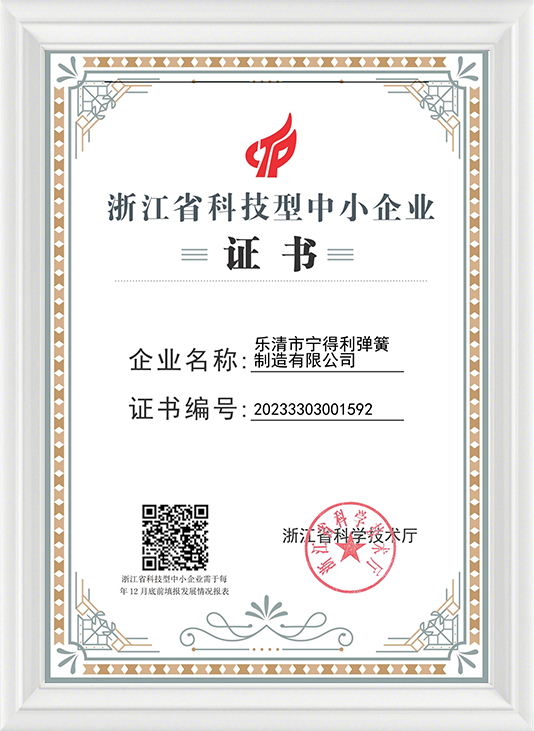
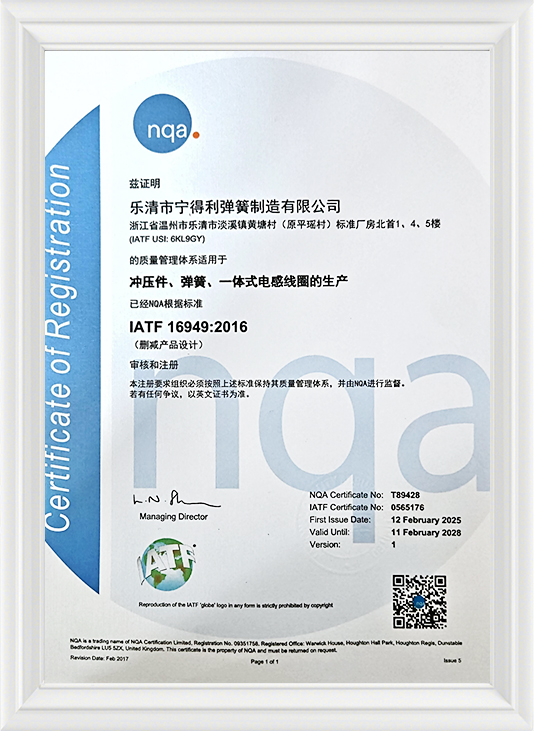
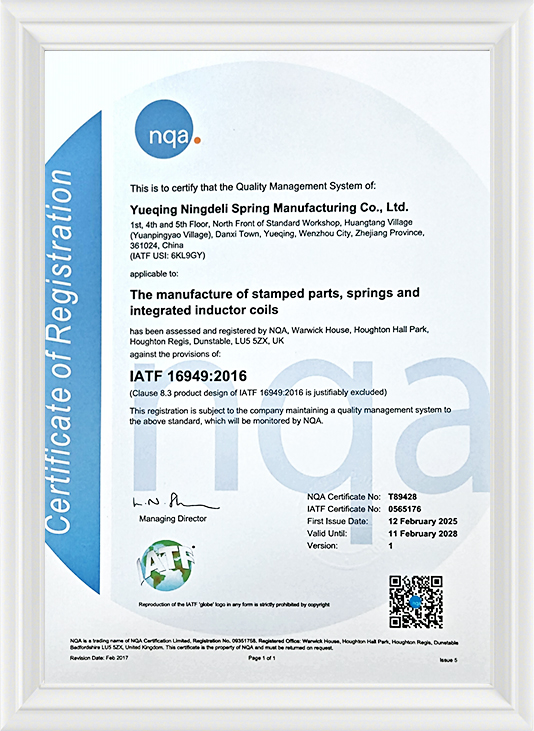
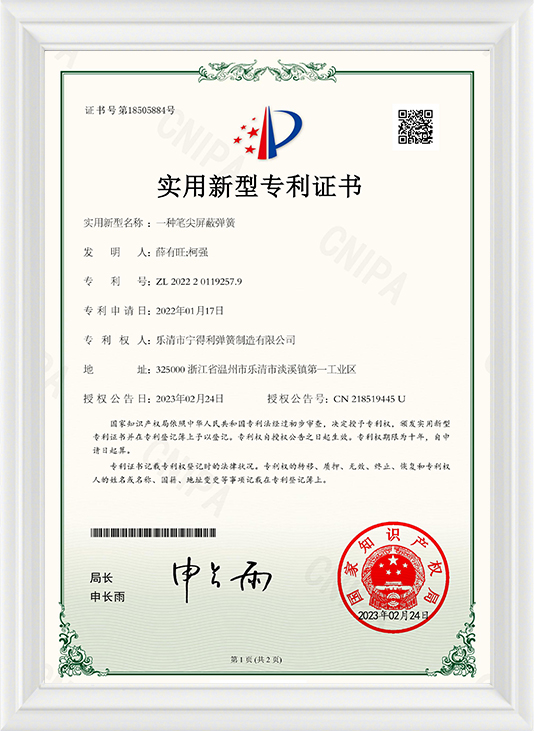
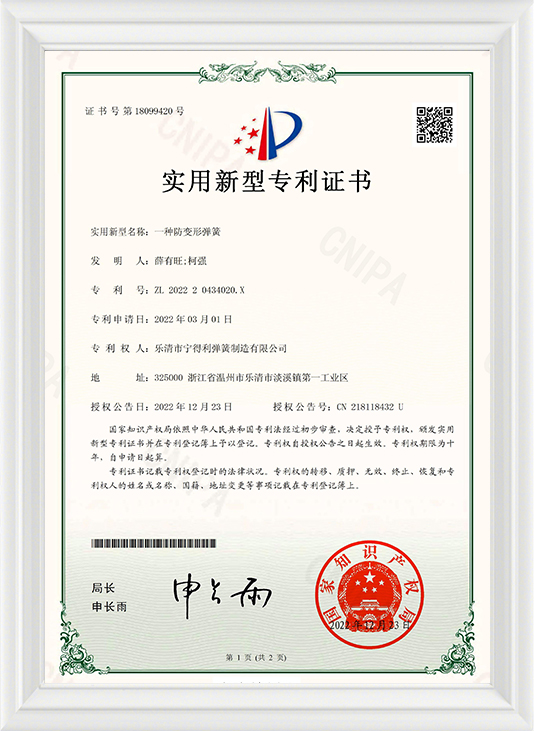
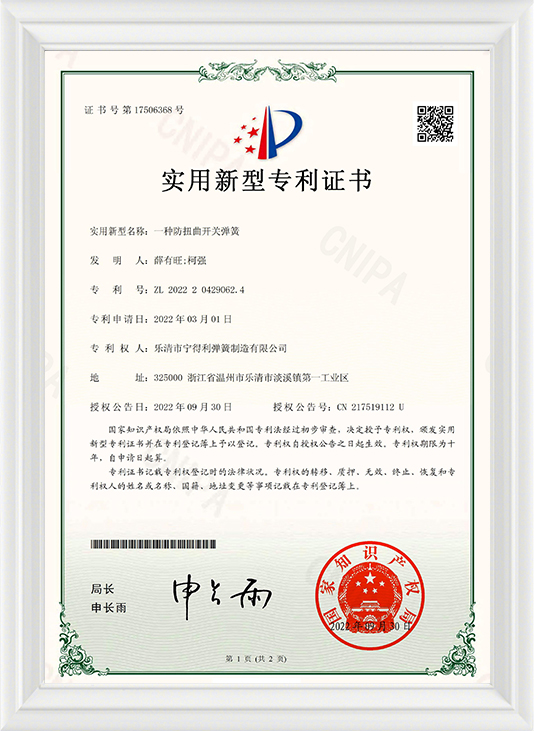
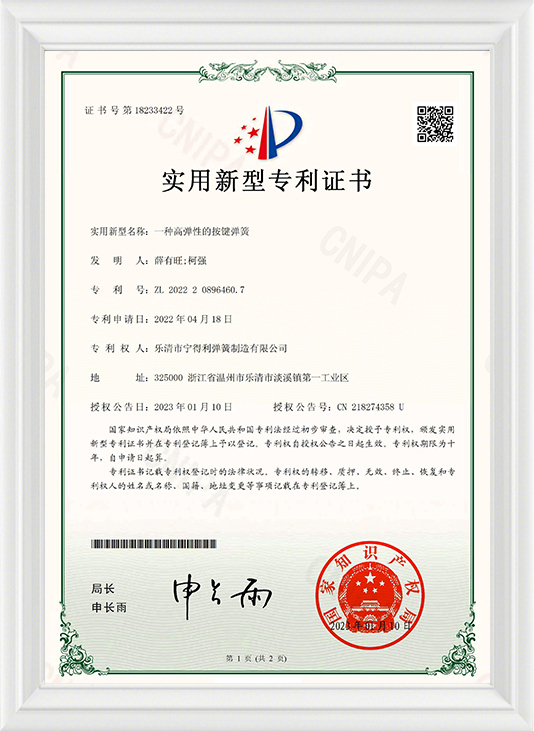
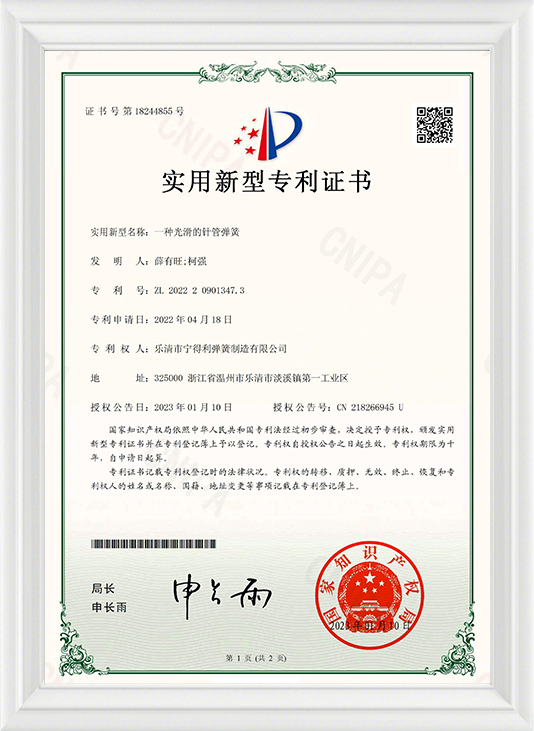
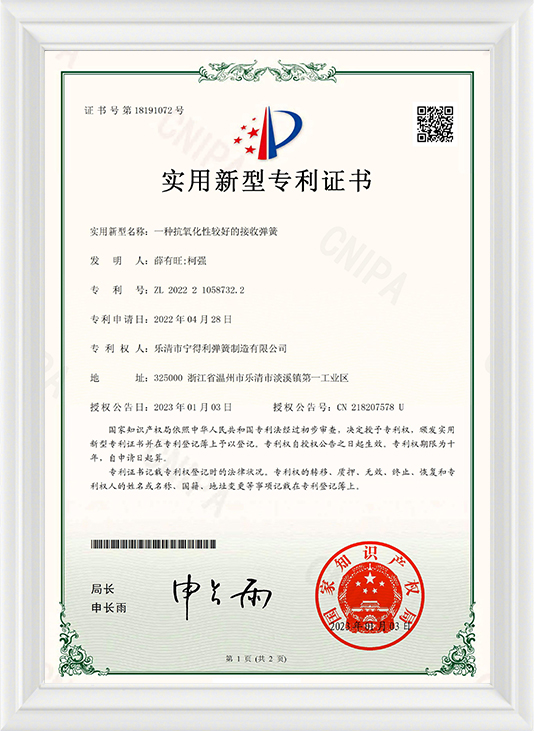
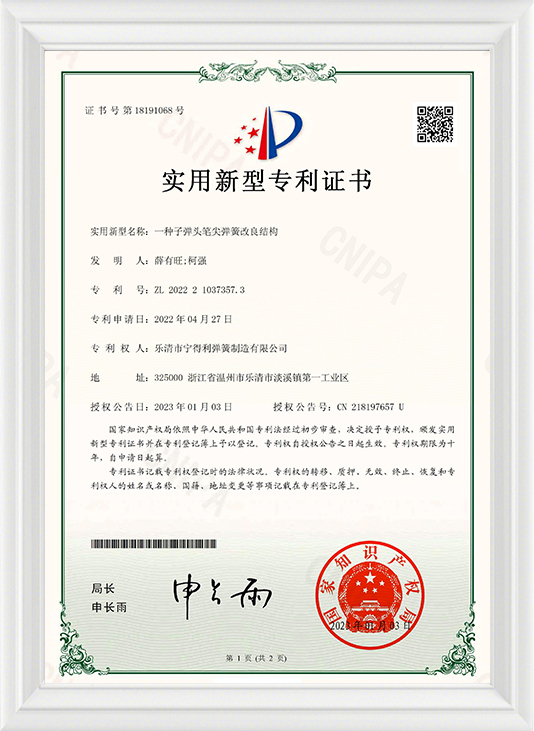
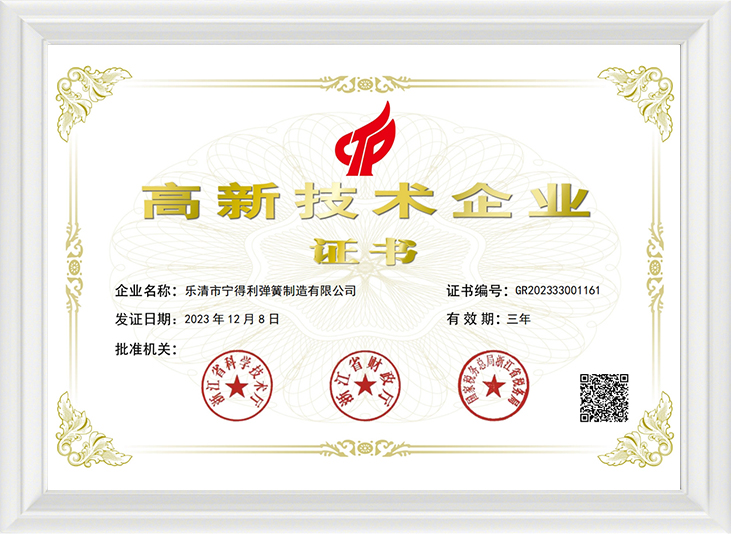
Zhejiang Ningdeli Spring Co., Ltd., as a national high-tech enterprise, develops retractor springs through refined processes and continuous engineering improvements. High-precision forming equipment, strict dimensional control, and automatic inspection systems help ensure the consistent torque output required for smooth belt return. Each spring is designed to withstand repeated cycles of extension and retraction, maintaining its performance even under frequent use.
Material selection is another key aspect. The retractor spring must resist fatigue, handle dynamic stress, and operate under wide temperature variations. By using high-strength spring steels and controlled heat-treatment procedures, the retractor spring offers prolonged service life while maintaining stable energy output. Surface treatment processes are also applied to improve wear resistance and enhance corrosion protection, contributing to long-term reliability.
In addition, customization options are available for different automotive models and retractor designs. Whether the requirement is related to torque parameters, coil numbers, free height, or specific installation geometry, tailored engineering support allows the spring to fit seamlessly into various seat belt retraction modules.
Seat Belt Tension Spring: Maintaining Secure Load and Comfort Balance
The seat belt tension spring plays an important role in balancing comfort and restraint force within the seat belt system. Installed within tensioning units or pretensioner assemblies, this spring provides the counter-force necessary to maintain adequate belt pressure across the user’s body during movement or sudden change in vehicle momentum.
For this type of spring, consistency and energy output stability are essential. Zhejiang Ningdeli Spring Co., Ltd. applies precise coiling technology and fine-tuned process control to ensure each spring performs within defined force ranges. Automated production lines help maintain high accuracy in pitch, wire diameter, and overall dimensions, supporting the uniformity needed for safety-critical automotive parts.
The tension spring must also endure dynamic vibration, sudden load changes, and extended operating cycles. To meet these demands, advanced materials such as alloy spring steels are used, providing higher resistance to fatigue and deformation. Careful heat treatment strengthens the spring structure, enabling it to maintain its resilience over long-term use. Surface finishing steps add further stability by improving friction resistance and enhancing protection against environmental factors.
Functionally, the tension spring is responsible for helping the seat belt adapt to real-time user movement without causing discomfort. This requires controlled flexibility and predictable load response. Through simulation, load-testing equipment, and on-site testing, the spring design is adjusted to match different automotive manufacturers' internal safety standards.
Customization is supported for different seat belt tensioner configurations. Engineers can adjust parameters such as initial tension, working force, and up to extension to meet various design requirements. These options ensure that the tension spring integrates well with pretensioner assemblies, retractors, or combined safety modules.
Seat Belt System Spring: Integrated Performance for Complete Safety Assemblies
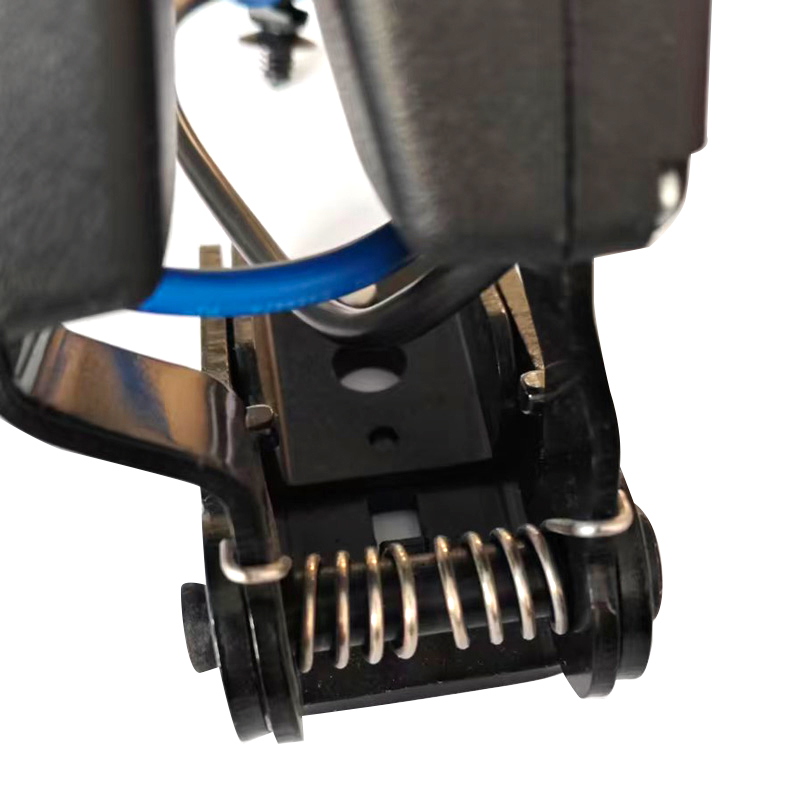
The seat belt system spring refers to a wider group of springs used throughout the complete seat belt assembly, including retractors, pretensioners, locking devices, emergency mechanisms, and load limiters. Each spring contributes to coordinated performance during normal driving and emergency situations.
Zhejiang Ningdeli Spring Co., Ltd. focuses on the research and production of various system springs that operate within different functional segments. These springs require precise load characteristics, reliable durability, and compatibility with complex mechanical structures. By adopting automated forming technology and real-time quality monitoring, consistent production and product traceability are ensured throughout the manufacturing process.
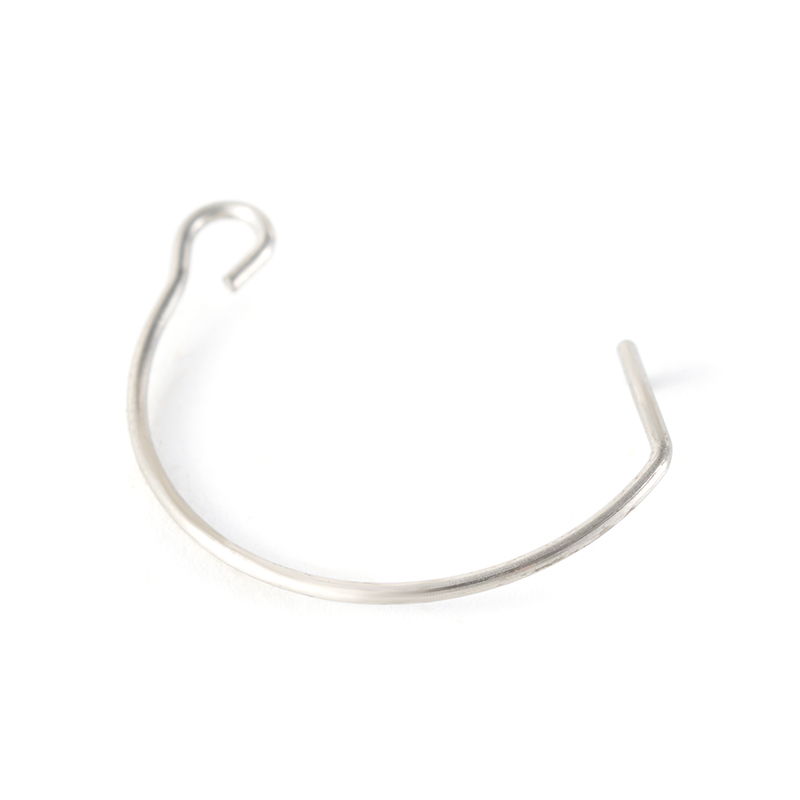
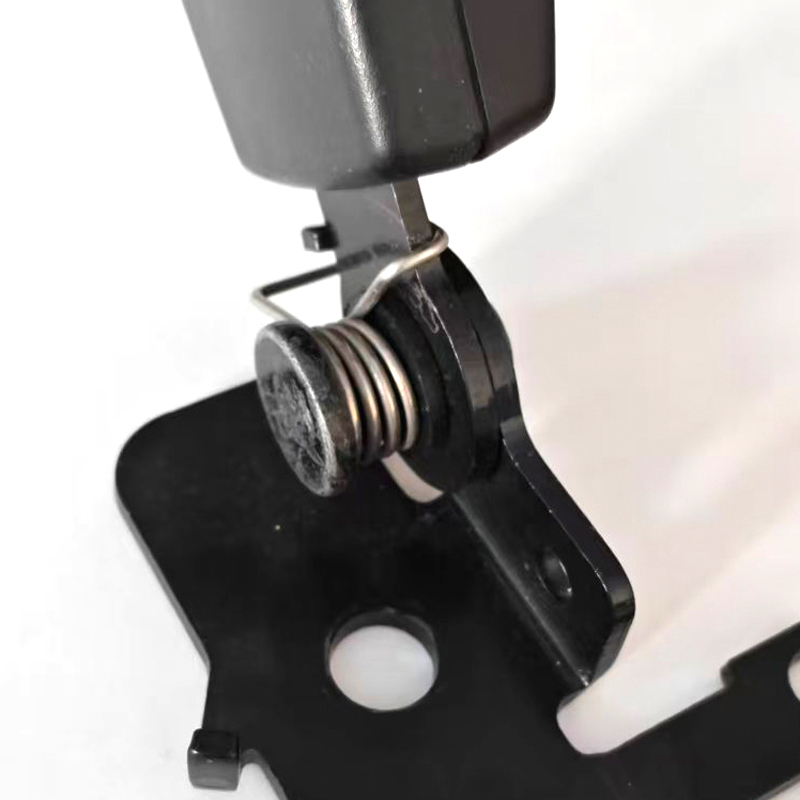
Seat belt system springs may include flat spiral springs, compression springs, torsion springs, and tension springs—each designed for a distinct purpose. For example:
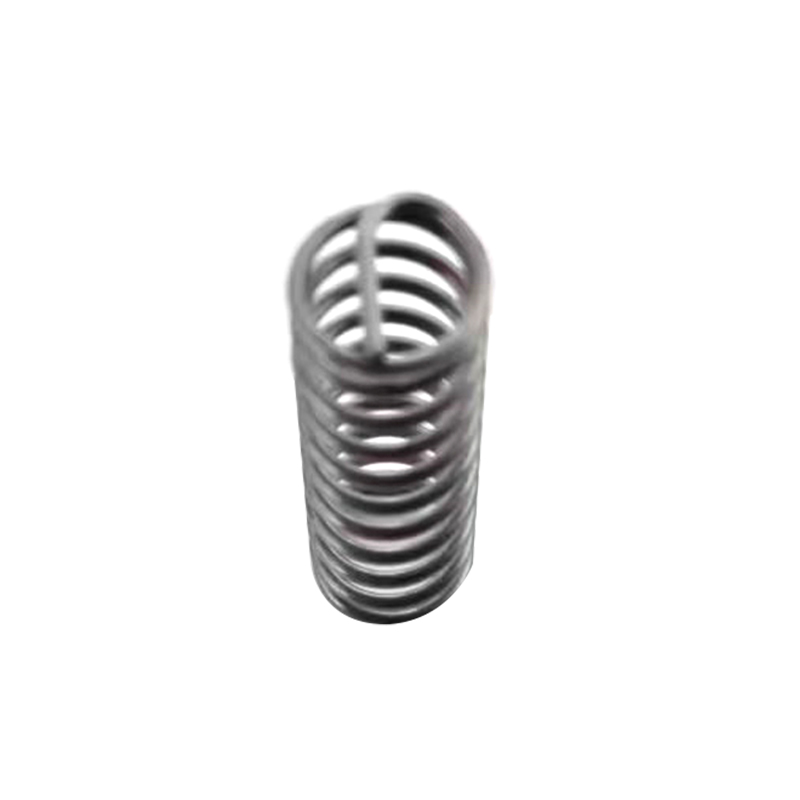
- Compression springs may support locking or release mechanisms.
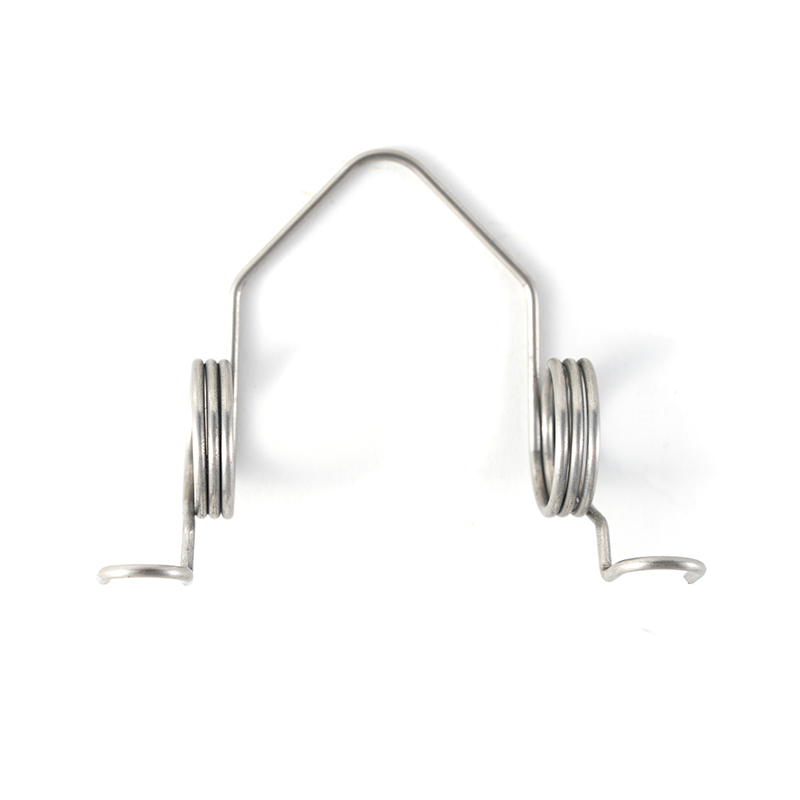
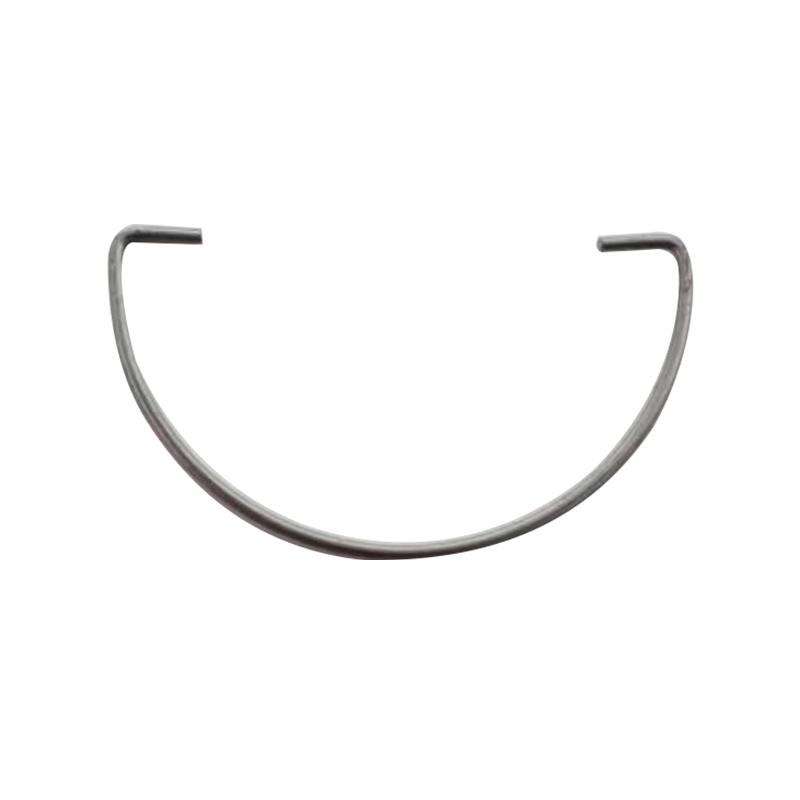
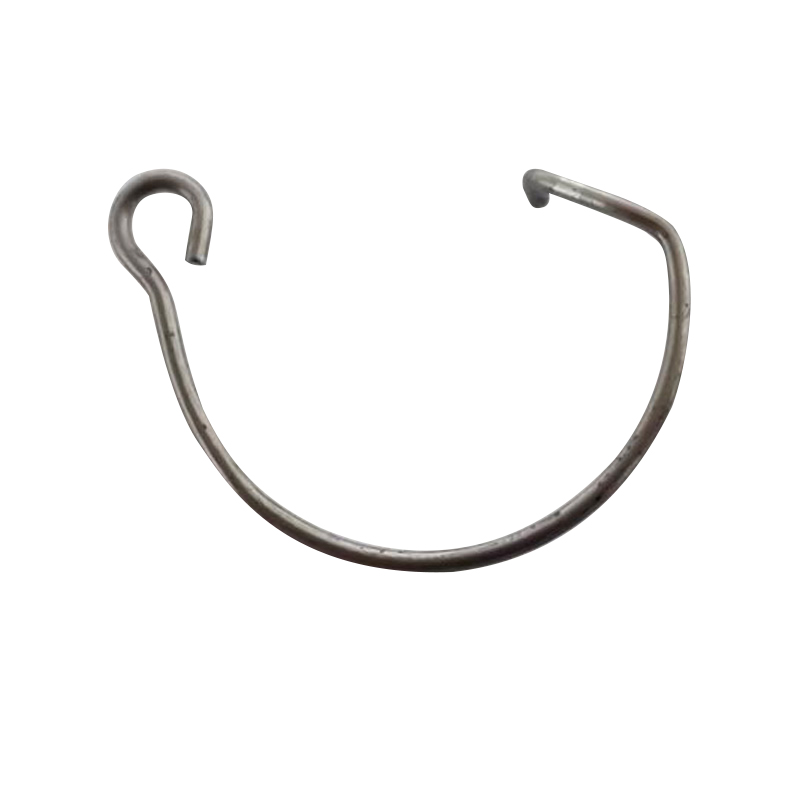
- Torsion springs may be used in emergency locking systems where rotational force is required.
- Flat spiral springs often provide controlled retraction or rotational energy.
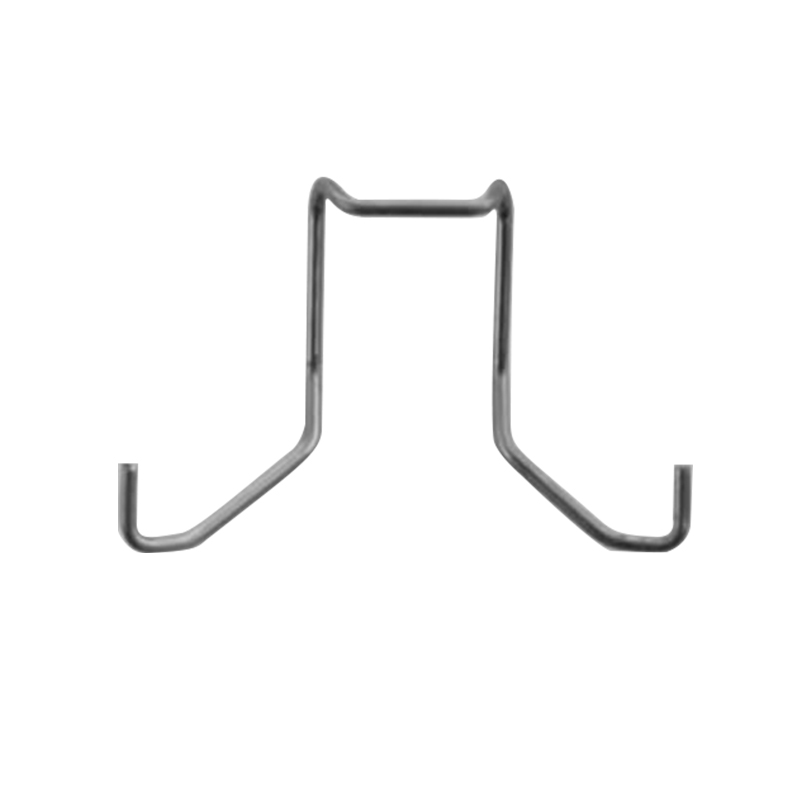
- Tension springs support force balancing within the belt assembly.
Each type requires specialized design and manufacturing expertise. The engineering team evaluates key factors such as stress levels, allowable deflection, working environment, installation orientation, and fatigue requirements. Materials undergo strict selection processes, and treatment techniques such as controlled atmosphere heat treatment, shot peening, and corrosion-resistant coatings are utilized to increase durability.
Seat belt system springs must operate correctly even in demanding environments, such as temperature fluctuations, humidity, and rapid load changes. Mechanical performance testing, fatigue simulation, and batch sampling inspections validate that each spring maintains the required functionality during long-term use.
As vehicles adopt more intelligent safety systems, the performance requirements of seat belt components also rise. Zhejiang Ningdeli Spring Co., Ltd. continues to develop higher-precision system springs with improved dimensional control, enhanced torque stability, and better cycle life. Custom engineering services allow automotive clients to optimize their seat belt mechanisms according to specific structural and performance needs.

 English
 中文简体
中文简体 русский
 Español
 Deutsch