Syringe Spring Industry knowledge
Syringe Spring
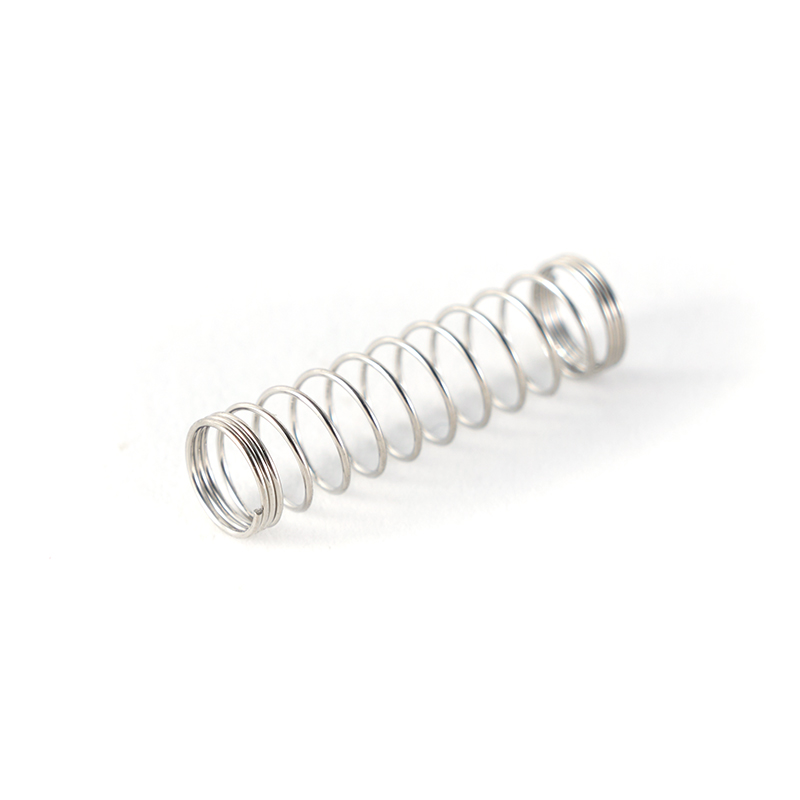
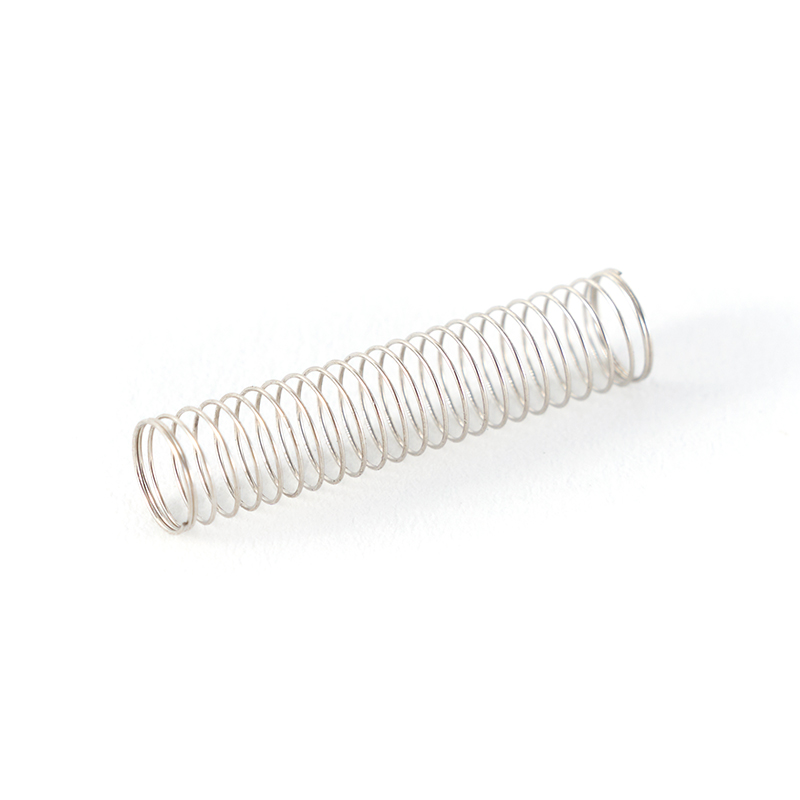
A syringe spring is a precision-engineered elastic component designed to support smooth and controlled movement inside disposable and reusable syringe systems. Zhejiang Ningdeli Spring Co., Ltd. focuses on developing syringe springs that meet strict medical device standards, ensuring stable force output and consistent performance during the injection or aspiration process.
Within a syringe mechanism, the spring typically works together with the plunger and internal valve components. It assists in returning the plunger to its ready position, maintaining alignment, and providing the correct resistance required for healthcare applications. To achieve these functions, material selection, forming accuracy, and surface finishing are all carefully controlled. Stainless steel is frequently used due to its corrosion resistance and compatibility with common sterilization methods.
Dimensional precision is crucial. Even small variations can affect fluid control, user experience, and device reliability. Therefore, the production process involves close monitoring of wire diameter, coil pitch, free length, load tolerance, and consistency across large quantities. Engineering teams evaluate the expected working environment—such as exposure to fluids, temperature changes, and mechanical cycles—to ensure each spring delivers stable performance throughout its lifespan.
Syringe springs designed by Zhejiang Ningdeli Spring Co., Ltd. also consider assembly efficiency. Uniformity in shape and surface quality reduces potential friction inside plastic housings and contributes to smooth device operation. These characteristics help syringe manufacturers maintain reliable product quality and meet regulatory requirements for medical equipment.
Syringe Compression Spring
A syringe compression spring is a specific type of spring used to generate pushing force within syringe-related medical instruments. This spring is compressed during operation and releases stored energy to support the forward or backward movement of internal components. Precision control is vital because any instability may influence dosage accuracy, device sensitivity, or user handling.
Zhejiang Ningdeli Spring Co., Ltd. designs syringe compression springs through detailed engineering calculations. Parameters such as compression distance, working load, fatigue resistance, and number of coils are evaluated to match the final medical device structure. The company applies controlled coiling processes and heat treatments to achieve consistent mechanical properties.
In many syringe devices, the compression spring interacts with plastic plungers, valves, or micro-mechanical parts. To ensure long-term compatibility, the surface of the spring may receive additional treatments to improve smoothness, reduce friction, and support cleanroom-level manufacturing requirements. These enhancements can also help prevent particle generation, which is important for sterile applications.
Testing is a key part of the production workflow. Compression springs are checked for load deviation, deformation, dimensional accuracy, and cycle durability. This approach helps maintain stable performance even in compact syringe designs. With the growing demand for auto-injectors, infusion tools, and pre-filled syringes, compression springs play an essential role in supporting consistent operation. Zhejiang Ningdeli Spring Co., Ltd. continues to refine production methods to meet the evolving expectations of medical device manufacturers.
Medical Device Spring for Syringe
A medical device spring for syringe applications is a broader category that includes springs used in advanced delivery systems, emergency devices, and precision control mechanisms. These springs can be compression, torsion, or customized hybrid designs depending on their function within the syringe or injection platform. Zhejiang Ningdeli Spring Co., Ltd. works on developing springs that integrate smoothly with modern medical technology, where stability, repeatability, and structural integrity are essential.
In addition to basic injection functions, modern syringe-based devices often incorporate additional modules such as dose regulation, safety locks, retraction systems, or automatic activation units. Each function may require a specialized spring engineered to support controlled force, small deviation, and dependable performance over repeated cycles. The company evaluates the unique operating conditions of each application, from rapid deployment in safety syringes to slow and stable force output in infusion systems.
Material engineering is a major factor in producing medical device springs. High-grade stainless steels and medical-compatible alloys are used to match the hygiene and corrosion-resistance requirements of clinical environments. Clean manufacturing practices help reduce contamination risks, while precision forming ensures accurate geometry. Engineering teams also consider how the spring interacts with plastic, rubber, and metal components inside the device to maintain structural harmony.
Zhejiang Ningdeli Spring Co., Ltd. conducts thorough quality inspections, including force testing, dimensional verification, fatigue assessment, and visual evaluation. By maintaining tight control over each production stage, the company supports syringe manufacturers in achieving repeatable mechanical performance and dependable device utility. As medical technology continues to evolve, the design of springs for syringe devices requires continuous improvement to match the higher expectations of healthcare professionals and end users.

 English
 中文简体
中文简体 русский
 Español
 Deutsch