Automotive Interior Spring Industry knowledge
Automotive Interior Spring
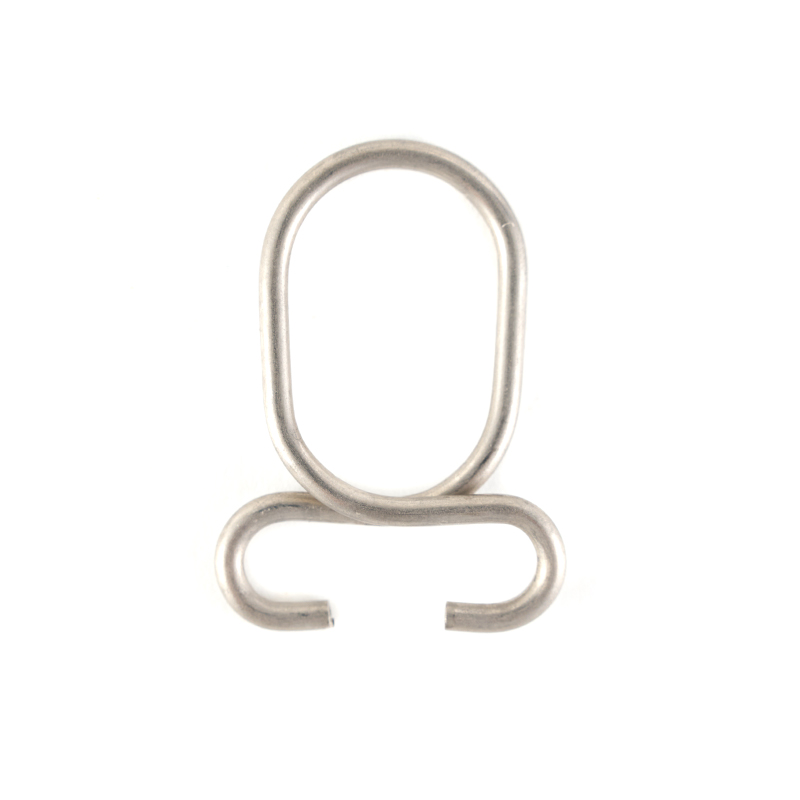
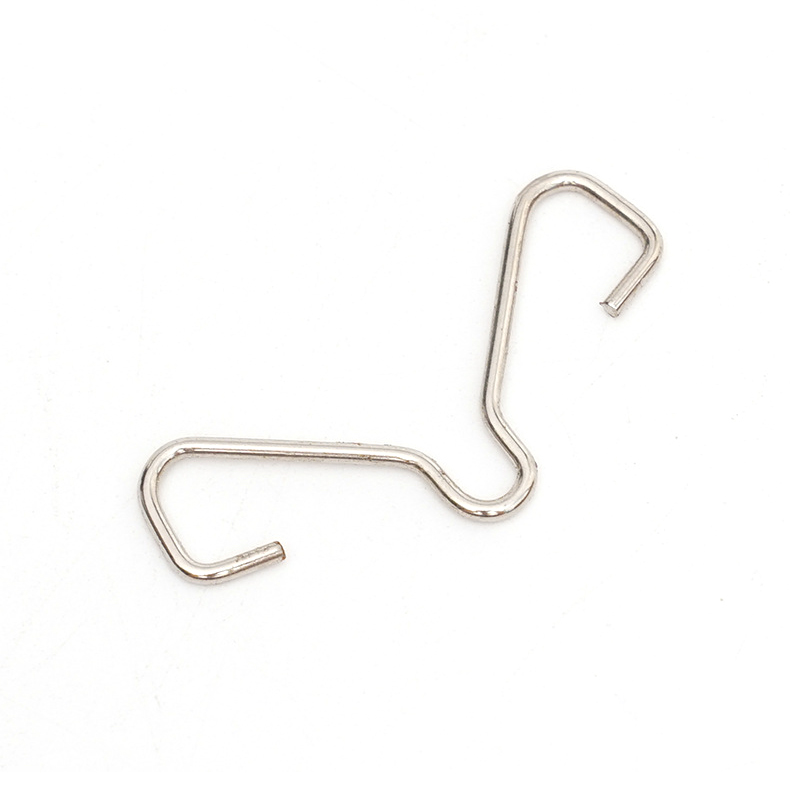
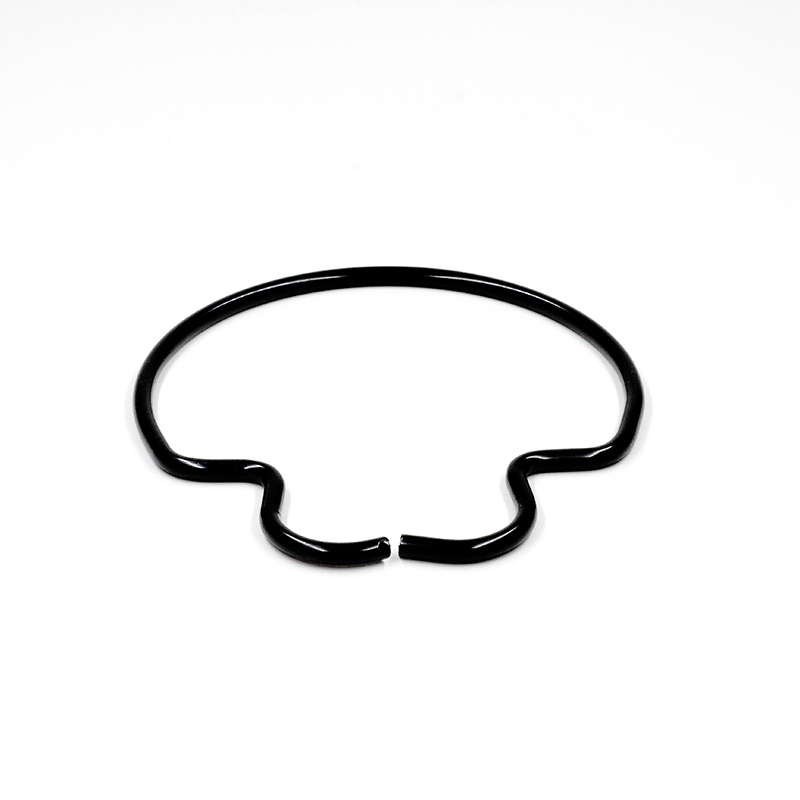
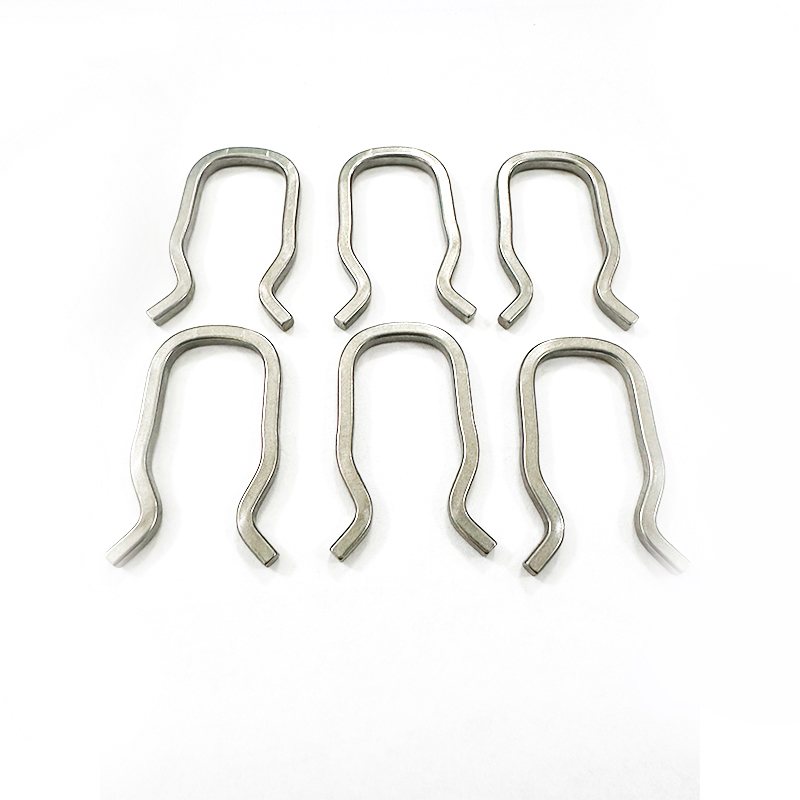
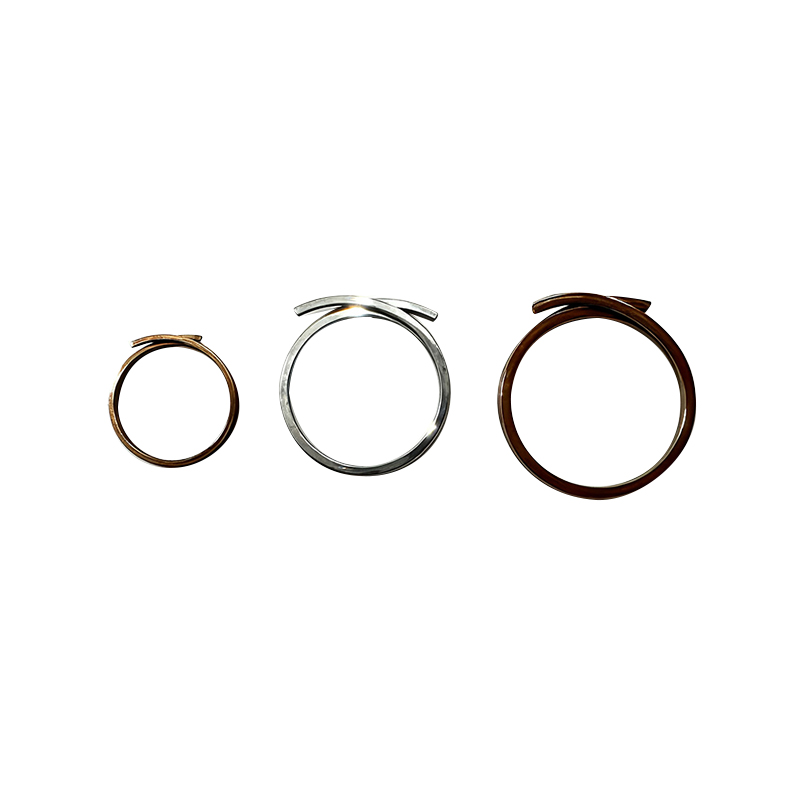
Automotive interior springs play a crucial role in ensuring comfort, safety, and functionality within vehicle cabins. These springs are designed to provide consistent elasticity and reliable performance in various components such as seat mechanisms, glove compartments, cup holders, and control panels. Their precision manufacturing allows for smooth operation, helping interior elements return to their original position after use without compromising the structural integrity of surrounding components.
Automotive interior springs are typically manufactured from high-quality steel or specialized metal alloys to withstand repeated compression, tension, or torsion over extended periods. The materials and surface treatments used contribute to their corrosion resistance and durability, which is essential in vehicles exposed to diverse environmental conditions. Engineers carefully calculate the spring rate, load capacity, and dimensions to match the specific requirements of each interior application.
Modern automotive interior springs are often integrated with ergonomic designs to improve user interaction. For example, seat adjustment mechanisms benefit from springs that offer consistent tension while remaining unobtrusive, allowing passengers to easily modify their seating positions. Similarly, in glove compartments or console drawers, interior springs ensure smooth opening and controlled closing, enhancing the overall user experience.
Through advanced production techniques, automotive interior springs can be manufactured with tight tolerances to ensure uniform performance across every unit. This attention to detail helps maintain operational consistency, which is critical for maintaining the reliability and safety of automotive interior systems. In addition, the ability to customize springs for specific vehicles or models allows manufacturers to meet diverse design and functional requirements.
Car Interior Coil Spring
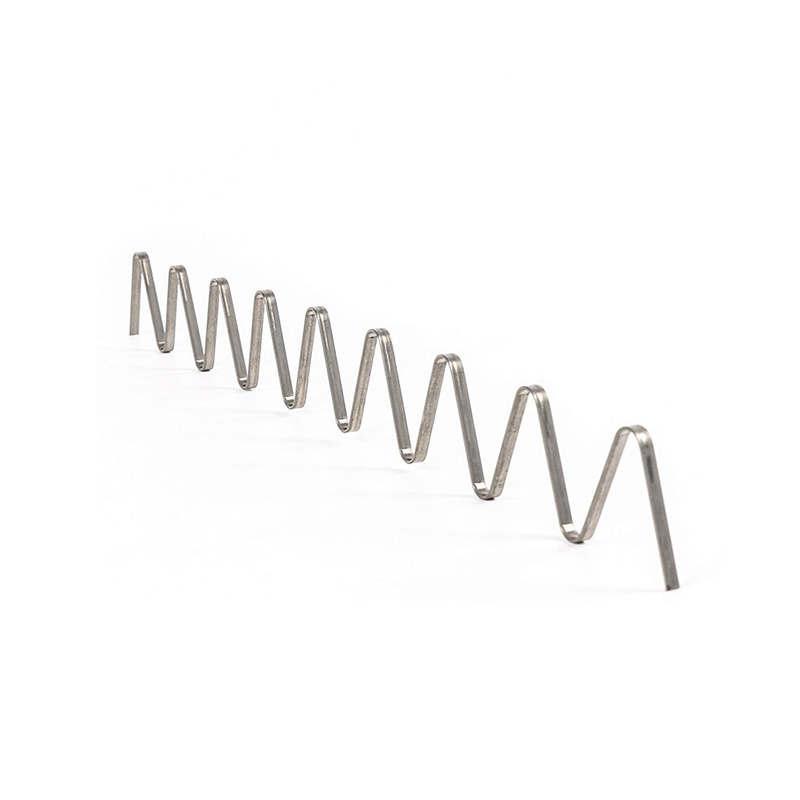
Car interior coil springs are essential components in modern vehicles, providing controlled tension and compression for a wide range of interior mechanisms. These coil springs are often found in seat recliners, armrests, door handles, and storage compartments, where they contribute to smooth movement and mechanical stability. Each coil spring is carefully engineered to provide the correct amount of resistance while ensuring long-term durability under frequent use.
The production of car interior coil springs involves precise forming processes, including coiling, heat treatment, and surface finishing. These steps ensure that each spring maintains consistent elasticity, fatigue resistance, and dimensional accuracy. The materials used, often spring steel or specialized alloys, are selected to withstand repeated cycles of compression and extension without losing their mechanical properties.
One significant advantage of car interior coil springs is their ability to absorb minor shocks and vibrations. For instance, in adjustable seats, coil springs contribute to a smoother reclining experience while reducing wear on connected mechanisms. Similarly, in storage compartments and foldable components, they assist in controlled motion and dampen abrupt movements, which prevents rattling and enhances cabin comfort.
Customization is a key aspect of car interior coil springs, as different vehicle models may require unique spring rates, lengths, diameters, and wire thicknesses. Advanced manufacturing equipment allows for precise control over these parameters, ensuring that each coil spring meets the specific functional and aesthetic requirements of the car interior. Additionally, surface treatments such as coating or plating can enhance corrosion resistance, extending the lifespan of springs in environments exposed to humidity or temperature fluctuations.
Automotive Hinge Spring
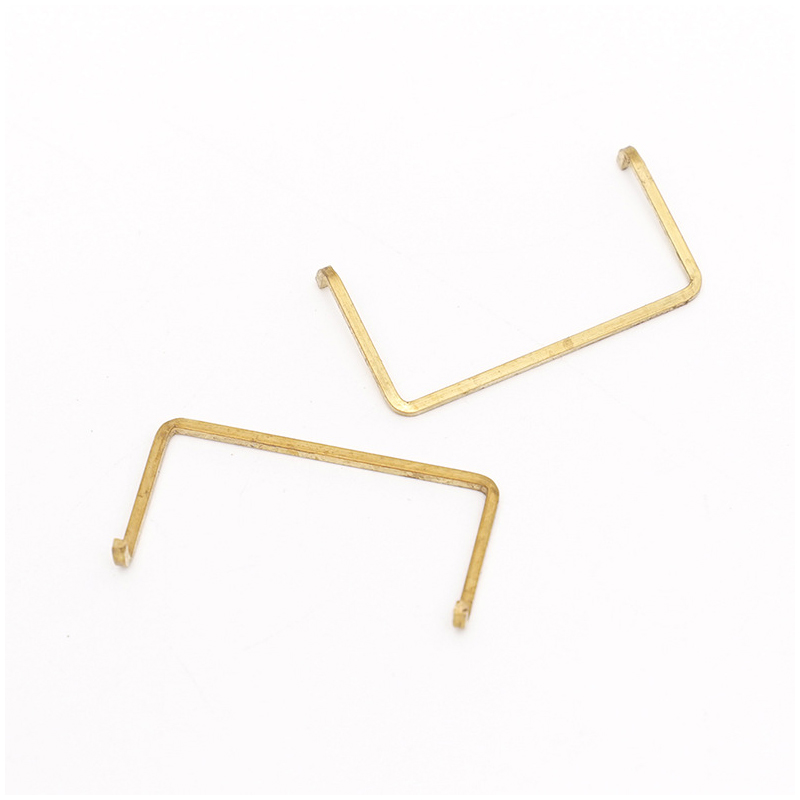
Automotive hinge springs are specialized components that provide controlled tension and smooth operation in various vehicle hinge systems. These springs are commonly applied to doors, trunk lids, glove compartments, and foldable interior panels, where consistent force and reliable movement are essential. By maintaining the proper balance between tension and flexibility, hinge springs ensure that these components operate safely and efficiently.
The design of automotive hinge springs involves careful consideration of spring type, dimensions, and mechanical properties. Materials such as high-grade spring steel or corrosion-resistant alloys are commonly used to achieve long-term durability and stable performance. Heat treatment and precise forming processes further enhance the resilience and load-bearing capacity of these springs, allowing them to endure repeated cycles of opening and closing without deformation.
In practical applications, hinge springs contribute to user convenience and safety. For example, in vehicle doors, these springs provide a counterforce that supports smooth opening while preventing sudden slamming. In smaller interior components, such as glove compartments or foldable panels, hinge springs allow controlled motion, reducing noise and wear on connected parts. The consistent performance of these springs is critical for maintaining the overall functionality of automotive interior systems.
Automotive hinge springs can be tailored to specific applications, with variations in spring tension, size, and form to meet the requirements of different vehicle models. Surface treatments, including coating or plating, help protect the springs from corrosion caused by environmental factors such as humidity, temperature changes, and exposure to automotive fluids. This ensures that hinge springs remain reliable throughout the life of the vehicle, supporting both safety and user satisfaction.

 English
 中文简体
中文简体 русский
 Español
 Deutsch