English
 中文简体
中文简体 русский
 Español
 Deutsch
ndl ndl ndl ndl ndl ndl ndl ndl ndl ndl ndl ndl ndl ndl ndl ndl
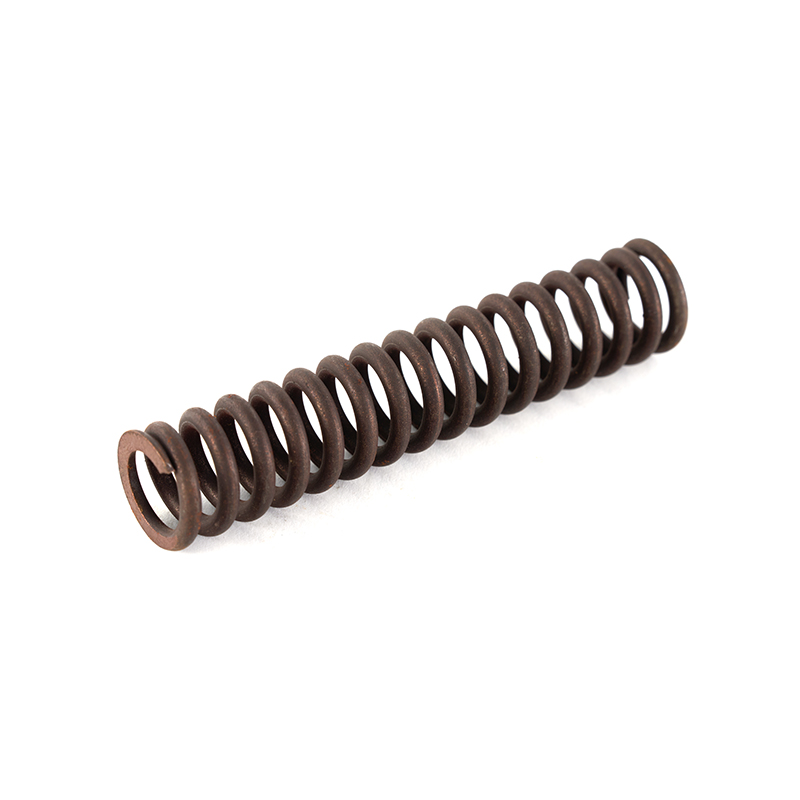
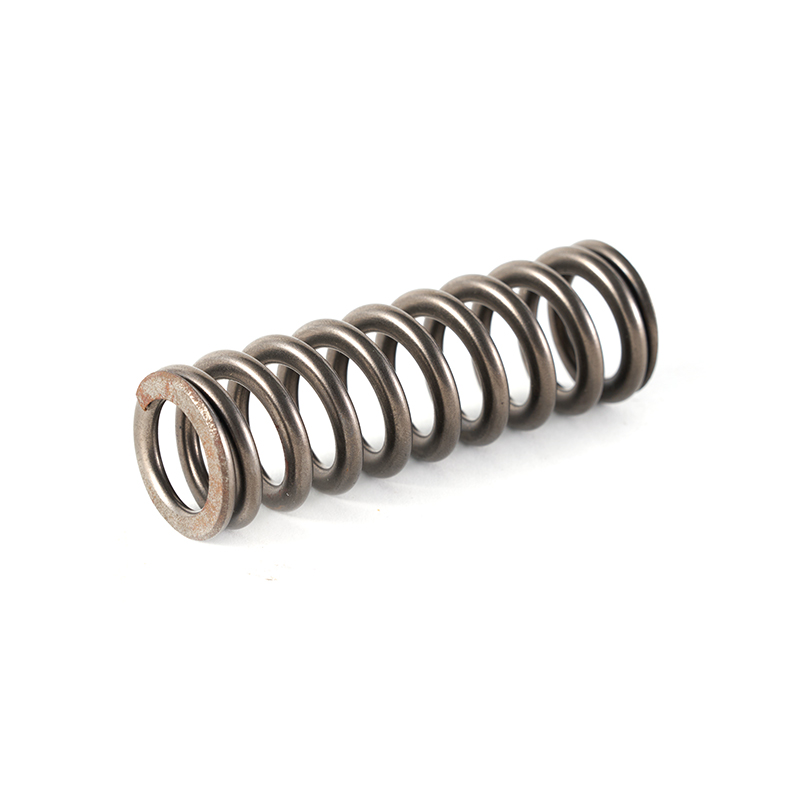
Your production line never sleeps. Equipment cycles thousands of times daily—compressing, releasing, compressing again. It's relentless. Eventually, springs deteriorate. Performance becomes unpredictable. You face the machinery question every engineer dreads: replace it now or risk total failure? This dilemma hits hard when downtime costs mount faster than you can calculate. The reality is stark. Standard springs simply cannot handle what modern equipment demands. They fatigue under repetitive stress, lose resilience gradually, and fail when you need them working. Precision Compression Spring solutions address this differently—they're engineered specifically for environments where reliability isn't optional. Instead of accepting inevitable decline, precision manufacturing prevents degradation from starting in the first place.
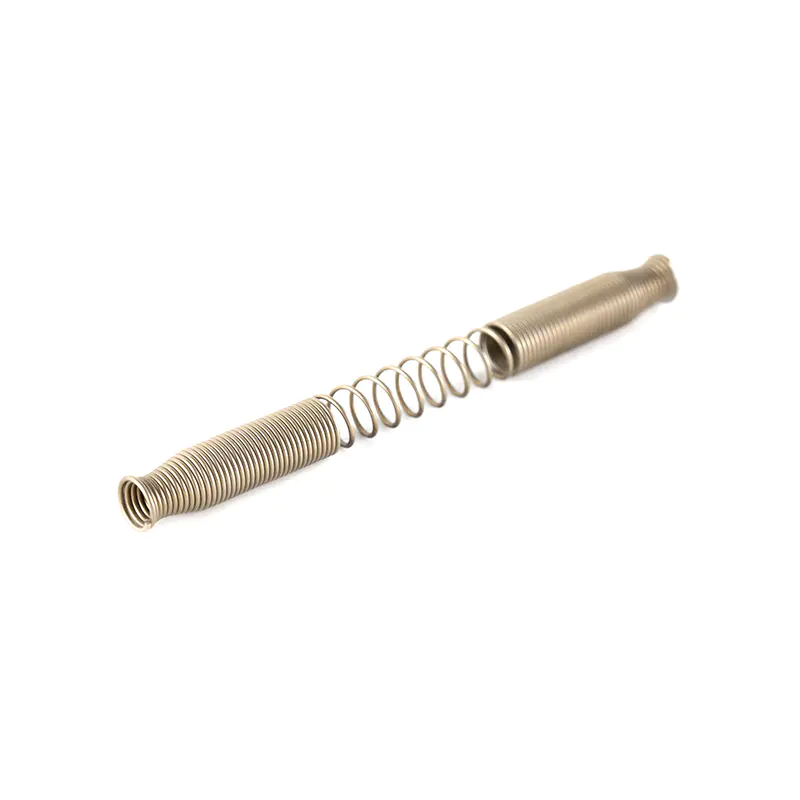
Imagine millions of compressions happening inside your equipment. Each one leaves a mark—invisible at first, but accumulating. Springs flex constantly. They're designed to bounce back, yet material has limits. Stress builds layer by layer, cycle by cycle.
The problem starts invisibly. Metal bends during compression. It should straighten fully during release. Thousands of times a day, this happens. The material cooperates initially. But somewhere deep within the metal structure, tiny cracks begin forming. These aren't cracks you can see. They're microscopic, almost molecular. Over time, they expand. The spring loses its snap.
Here's what happens next: as cracks grow, the metal can no longer return fully. The spring stays compressed slightly longer than it should. Performance drifts. Your equipment feels different to operate—sluggish, less responsive. Ignore this, and catastrophic failure arrives without invitation. Sometimes it happens abruptly.
Environmental factors make it worse. Heat causes expansion. Cold causes contraction. Each temperature swing stresses the material further. Moisture? That invites corrosion. Chemicals? They attack aggressively. None of these factors care about your production schedule.
Think about what surrounds your equipment. Summer heat drives temperatures up. Winter cold brings them down. Every swing stresses the material at molecular levels. The metal expands and shrinks constantly. Over time, this thermal cycling weakens everything.
Then there's moisture. Humidity creeps in. Corrosive agents settle on surfaces. They eat away slowly, creating microscopic pits. These pits become launching points for cracks. It's like structural weak points developing across the spring surface. When mechanical stress combines with corrosion damage, the material simply cannot cope. Standard springs surrender under these combined assaults.
Standard springs accept fate. They're made quickly, shipped out, and hope for adequate performance. Precision-engineered solutions? They work differently. They fight degradation actively at every manufacturing stage. The approach is fundamentally different—not about accepting wear, but preventing it entirely.
Spacing matters. Wire diameter matters. Every coil angle matters. When these dimensions drift even slightly, stress loads unevenly. Some coils get hammered harder than others. Fatigue hotspots emerge. Precision manufacturing eliminates this. Each coil sits exactly where calculations say it should. Load distributes evenly across every coil. Nothing gets overworked. This uniform stress profile extends service life significantly compared to conventional springs.
Tolerances get measured obsessively. Nothing ships until it passes inspection. This attention to detail transforms spring performance from acceptable to reliable.
Not every alloy behaves identically under repetitive stress. Some metals resist fatigue better. Others degrade quickly. Composition matters. Grain structure matters. Heat treatment matters enormously. Springs built with deliberate material selection outlast generic alternatives substantially.
Surface treatment adds another layer. Grinding and polishing remove tiny irregularities where cracks would otherwise initiate. Shot peening compresses the surface, creating protective stress patterns. Coatings shield against environmental attack. These treatments work together synergistically, not independently.
Building a spring that lasts requires balancing competing demands. Thicker wire delivers strength but sacrifices flexibility. More coils distribute load nicely yet take up space. Engineers must navigate these tradeoffs carefully. Get it wrong, and you've improved one thing while worsening another.
Thicker wire resists fatigue better. That's established. But it also becomes stiffer, less responsive. Thin wire flexes readily but fatigues quickly. The solution isn't choosing one extreme. Precision engineers calculate the exact wire thickness that serves your specific requirements—handling your force levels while maintaining acceptable flexibility.
Coil count follows similar logic. More active coils spread stress across more material. Sounds good. But more coils mean taller springs, which might not fit your space. It's a puzzle. Each application has different constraints. Space-limited applications might sacrifice some coils for height. Applications with room can add coils that boost distribution.
Here's something people overlook: spring behavior should remain predictable throughout its operational life. A spring that starts strong but weakens progressively creates problems. Equipment designed around spring characteristics early on malfunctions as those characteristics drift. Precision manufacturing maintains consistent spring rate from day one through years of use. Your equipment performs reliably, predictably, day after day.
| Design Aspect | Standard Manufacturing | Precision Engineering | Why It Matters |
|---|---|---|---|
| Dimensional Tolerance | Wider acceptable range | Tight, controlled specifications | Stress distributes uniformly or unevenly |
| Wire Surface Finish | Basic grinding | Multi-stage polishing and treatment | Fewer places for cracks to start |
| Material Testing | Batch verification | Individual coil inspection | Catch problems before they reach you |
| Heat Treatment Control | Standard processes | Customized temperature profiles | Material actually resists fatigue |
| Stress Relief Methods | Conventional annealing | Application-specific treatments | Optimized residual stress patterns |
| Load Path Analysis | Assumed uniform | Verified through testing | Confirmed performance under real use |
What separates standard from precision? It's not one thing. It's accumulated attention to detail across dozens of decisions.
Material science tells us something important: metals under repetitive stress behave completely differently than under static loading. A spring handling five times its static limit in one application might fail under a fraction of that force applied repeatedly over time. This distinction matters enormously when specifying materials for high-cycle environments.
Static force? Springs handle that. Apply weight once and leave it there—springs accommodate. But cycling changes everything. Repetitive stress does damage static loading never could. It's counterintuitive: a lighter force applied millions of times destroys springs faster than heavier weight applied once. Precision engineering respects this reality by selecting materials specifically bred for cyclic environments. Regular materials fatigue. Optimized materials resist fatigue tenaciously, performing through millions of cycles without degradation.
Zoom into metal at microscopic levels and you see crystalline structure—grain patterns arranged in specific ways. This architecture determines how the material resists fatigue. During standard manufacturing, grains develop haphazardly. Temperature rises and falls randomly. Precision processes control every aspect. Cooling rates get specified precisely. Deformation sequences follow calculated patterns. Heat cycles execute according to exact specifications.
The result? Material grain structure aligns optimally to resist cyclic stress. Metallurgical treatments refine this further at atomic scales. Springs produced this way maintain stability through extended operation, instead of degrading gradually like untreated materials.
Different industries have different breaking points. Automation demands something different than construction equipment. Medical devices demand something different still.
Assembly lines never stop. Springs cycle thousands of times hourly. Downtime isn't abstract—it costs money immediately. Production delays stack up. Customer orders get postponed. Labor sits idle. Equipment manufacturers learned this lesson long ago. They now specify springs engineered for millions of cycles, not thousands. Why? Because downtime costs more than premium components. Springs that perform reliably for years deliver genuine value.
Construction equipment operates outdoors. Machinery handles intense, repetitive loading. Temperature swings from scorching heat to bitter cold. Contamination settles everywhere. Springs must resist mechanical fatigue AND environmental attack simultaneously. This combination challenges standard materials. Precision engineering addresses both simultaneously. The result performs through decades of punishing service.
Medical devices and analytical equipment operate differently. They care less about force delivery and more about consistency. A spring rate that drifts by a tiny amount can throw off measurements. Devices designed around specific spring characteristics malfunction if those characteristics change. Precision manufacturing locks behavior in place. Springs perform identically cycle after cycle, year after year.
Off-the-shelf springs are compromises. They balance multiple applications equally, optimizing for none. Your equipment isn't average. It has unique demands that standard designs don't address well.
Ask yourself honestly: how many compression cycles happen daily? Temperature range throughout the year? Chemical or humidity exposure? Space available for the spring? Each answer shapes what you actually need. One application might need aggressive corrosion resistance. Another needs thermal stability. A third needs compactness. Standard springs make none of these tradeoffs correctly for your situation.
Customized engineering starts with asking hard questions. Engineers analyze your specific environment, not theoretical averages. They determine materials, dimensions, and treatments matching your reality. The result solves your problem, not a generic problem.
Outdoor equipment? That demands corrosion resistance aggressively. High-temperature environments? Alloys need stability under thermal stress. Chemical exposure present? Surface treatments and base materials both need resistance to specific agents. Generic springs accept these compromises passively. Precision customization chooses materials and coatings specifically for your environment. You get solutions matching your reality, not standard offerings that happen to work somewhat adequately.
Springs don't fail silently. They signal degradation. Learn to recognize these warnings and you avoid catastrophic breakdowns.
Equipment operators develop intuition about normal behavior. When something feels off, trust that feeling. Maybe activation requires slightly more force than usual. Maybe recovery speed seems sluggish. Noise patterns might shift. These subtle changes indicate material fatigue developing inside. Ignore them, and catastrophic failure arrives unannounced. Catch them early, and you schedule replacement during planned maintenance instead of scrambling during production emergencies.
Pay attention. It matters tremendously.
Different applications demand different replacement timelines. A lightly-used spring might work trouble-free for years. A spring in high-cycle environments might need replacement sooner. There's no universal rule. Working with your equipment maker or spring supplier, you establish replacement schedules matching your specific demands. Schedule too aggressively and you waste money replacing functional components. Schedule too loosely and you risk failures. The goal is reliability without excessive maintenance expense.
Selection shouldn't be hasty. Price shopping alone leads to regret. Take time. Think through your actual needs.
Start simple. What forces must the spring handle? How often does cycling happen daily? How much space exists for the spring? What environmental conditions apply? Are there regulatory or industry standards you must meet? Write these down. Clearly.
These requirements become your discussion guide with suppliers. They determine whether a supplier's solution matches your reality or whether it's designed for someone else's equipment.
Manufacturers vary wildly in what they can deliver. Some run volume operations, cranking out standard springs efficiently. Others specialize in complex customization requiring sophisticated engineering. Some test rigorously. Others do basic checks. Your application complexity determines which capabilities matter.
A straightforward application might work fine with high-volume suppliers. Demanding, complex applications require suppliers demonstrating engineering depth, customization flexibility, and genuine commitment to quality assurance.
Cheap springs failing prematurely cost more than expensive springs lasting for years. Downtime expense, replacement labor, production delays—these stack up quickly. Higher-priced solutions maintaining performance across extended periods deliver true value. Calculate total cost of ownership: replacement frequency, labor expense, production losses during downtime. That calculation usually changes minds about where real value lies.
How a spring gets made determines what it can deliver. Different approaches produce fundamentally different performance characteristics.
Cold forming hardens material through deformation. Heat treatment reorganizes atomic structure differently. Some applications need cold forming. Others respond better to heat treatment. The best approaches combine both strategically. Precision manufacturers don't follow one recipe for all situations. They select sequences specifically optimized for your requirements. Results? Consistent, predictable performance. Generic approaches using standardized recipes? Variable results across different batches.
Real quality assurance doesn't start at final inspection. It runs throughout manufacturing. Material arrives and gets tested immediately. During coil formation, dimensions get measured continuously. Finished springs undergo fatigue testing, load verification, coating inspection. Multiple verification stages catch defects early, preventing faulty springs from reaching your facility. Each component shipped meets specifications and performs reliably once installed.
This thorough approach costs more. It delivers exponentially more value through reliability.
Surface layer faces unique stresses. It's where fatigue cracks typically start. What happens on the surface determines how quickly degradation begins.
Coatings shield against moisture and corrosion. Shot peening does something clever—it compresses the surface, creating stress patterns that resist crack formation. These treatments work synergistically. Moisture never reaches the base material. Surface compression opposes fatigue crack propagation. Environmental and mechanical protection combine.
Environment determines treatment intensity. Springs in dry, climate-controlled settings need minimal protection. Springs facing moisture, chemicals, or temperature extremes demand comprehensive treatments. The right treatment prevents both corrosion damage and fatigue initiation at the surface level.
Spring replacement fits within larger equipment maintenance strategy. Isolated spring management misses the bigger picture.
Develop inspection and replacement schedules aligned with your operational intensity and historical experience. Systematic scheduling prevents failures while avoiding wasteful replacement of components still working. Document everything. Nothing slips through oversight.
Equipment modifications change spring demands sometimes. Boost operating frequency and springs work harder. Shift force requirements and materials must respond. Modify environmental conditions and protection strategies must adapt. When you're upgrading systems, evaluate whether spring specifications need updating simultaneously. Coordinated upgrades work better than scattered changes creating compatibility problems.
Initial cost matters less than total cost across equipment's lifetime. Precision solutions create value extending far beyond purchase price.
Failure during production triggers cascade: delayed production, postponed customer orders, expedited part procurement, emergency labor. That's expensive. Springs engineered for high-cycle reliability simply don't fail. Value from prevented failures often dwarfs the incremental cost difference compared to standard alternatives.
Reliable springs support overall system reliability. When springs perform consistently, connected mechanical components experience less stress. Everything lasts longer. Equipment operational lifetime extends. Longer-lasting equipment means better return on your investment compared to equipment failing prematurely.
Standard springs need frequent replacement. That means ongoing maintenance costs, labor expense, inventory management headaches. Springs engineered for extended life reduce replacement frequency substantially. Fewer replacements translate to lower maintenance budgets and smaller inventory requirements.
Adopting precision springs isn't an overnight decision. It's a strategic evolution requiring thoughtful planning.
If your equipment currently runs standard springs, sudden complete replacement creates inventory and management complications. Better approach: replace springs during scheduled maintenance windows. Upgrade equipment during upgrade cycles. This phased replacement lets you manage costs, validate improvements, and build confidence progressively rather than betting everything simultaneously.
Test precision solutions first in representative applications before committing universally. Real-world experience in your environment reveals whether performance matches expectations. Installation compatibility becomes clear. You can refine specifications based on actual operational feedback. This validation builds confidence before broader implementation.
Specialized manufacturers bring expertise that generic suppliers simply cannot offer. They contribute engineering knowledge, detailed application analysis, and optimization support that transforms spring performance. Getting precision solutions working requires more than just buying components. It requires understanding your application deeply, analyzing requirements thoroughly, and validating performance in real conditions. That's where specialized manufacturers add value beyond basic supply. Zhejiang Ningdeli Spring Co., Ltd. has spent years supporting industrial customers facing exactly these challenges. They deliver customized spring solutions engineered specifically for demanding high-cycle environments where standard products consistently underperform. Their engineering team digs into your requirements, proposes specifications optimized for your situation, and supports testing to confirm reliability in your actual operating conditions. Whether you're managing single equipment needing precise specifications or oversee fleets requiring standardized components across multiple systems, their capability to design and manufacture springs serving diverse requirements enables sourcing from a single trusted partner. That eliminates juggling multiple suppliers with different capabilities and quality standards. If your equipment operates under continuous or highly repetitive cycling, consider reaching out to discuss your specific situation. That conversation starts the process toward solutions engineered precisely for your environment rather than compromises designed for theoretical average applications.

QUICK LINKS
PRODUCTS
If you have any questions, please get in touch with us.
Tel: +86-13626772101
WhatsApp: +86-13626772101
Add: Ningdeli Spring, Danxi First Industrial Zone, Danxi Town, Yueqing City, Zhejiang

Wholesale Springs Manufacturer