English
 中文简体
中文简体 русский
 Español
 Deutsch
ndl ndl ndl ndl ndl ndl ndl ndl ndl ndl ndl ndl ndl ndl ndl ndl
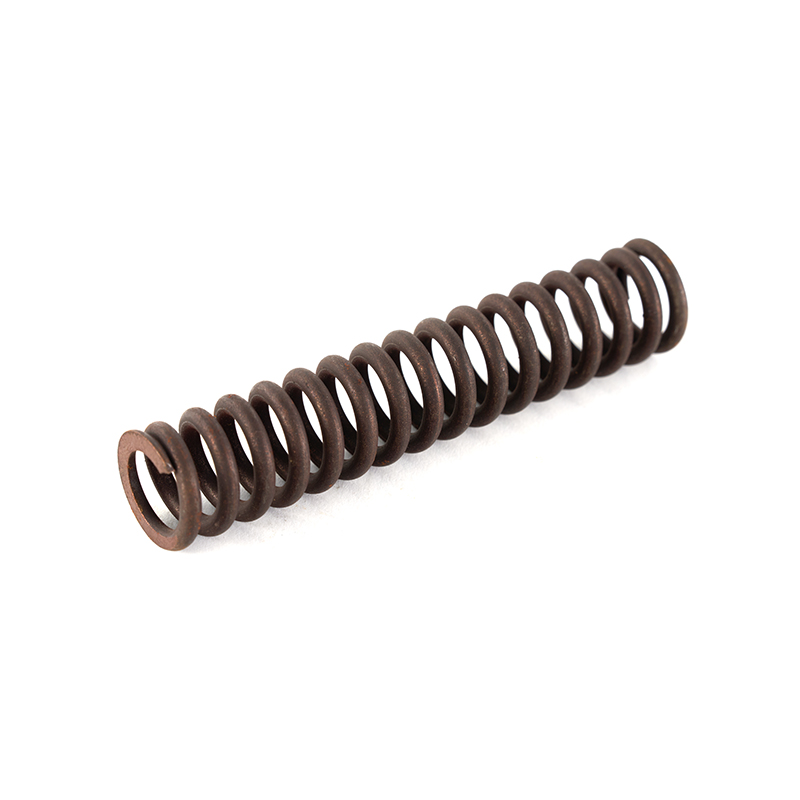
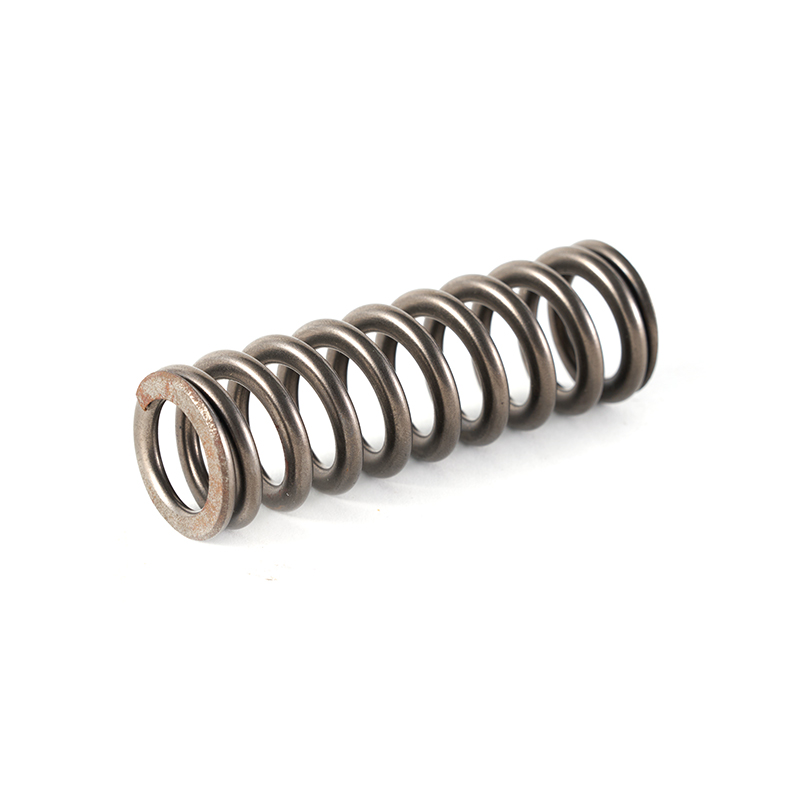
One batch compresses smoothly under load while the next feels noticeably stiffer, assemblies that pass inspection on Monday start showing fatigue complaints by Friday, force readings that should sit close together instead scatter across a wider range than any tolerance sheet would allow, engineers chasing this kind of inconsistency eventually trace it back to how the springs were actually wound. A Precision Compression Spring built around tighter manufacturing control solves exactly this problem, replacing the guesswork that comes with manual or loosely controlled production with something far more predictable batch after batch. For mechanical engineers, product designers, automotive and electronics manufacturers, and industrial procurement teams sourcing spring components, understanding where that inconsistency actually originates changes how a specification gets written and which supplier ends up qualified for the job.
Manual or semi manual spring winding depends heavily on operator consistency, and even a skilled technician introduces small variations in wire tension, coil spacing, and winding speed across a production run. Those variations seem negligible individually, but across a batch of hundreds or thousands of springs, they compound into measurable differences in force output and free length.
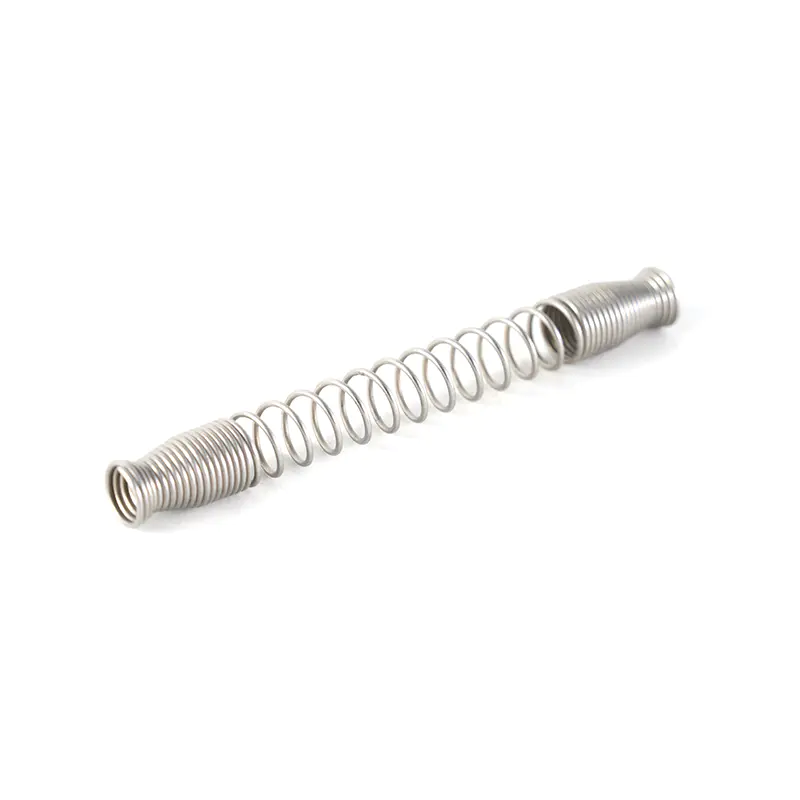
Heat treatment adds another layer of unpredictability. Springs that spend slightly different amounts of time in a furnace, or that cool at inconsistent rates, end up with subtly different material properties, which then shows up downstream as inconsistent force curves even when the wire diameter and coil count look identical on paper.
It does, though it often gets overshadowed by process related causes. Wire drawn with inconsistent diameter tolerance, or sourced from mixed material batches with slightly different composition, introduces variability before the winding process even begins. A manufacturer working with tightly controlled raw material specifications starts several steps ahead of one relying on whatever wire happens to be available at a given moment.
Precision, in this context, means controlling every variable that influences the spring's final performance closely enough that force output, free length, and fatigue behavior stay consistent from the first unit produced to the last unit in a batch. That control spans wire sourcing, winding parameters, heat treatment cycles, and final inspection, each contributing to whether the finished spring behaves predictably once installed into an assembly.
A Precision Compression Spring earns that designation not from a single manufacturing step but from the cumulative effect of tight control applied consistently across the entire production process, rather than treating any one stage as more important than the others.
Automated winding equipment removes much of the variability tied to manual operator technique, maintaining consistent tension, speed, and coil spacing across every unit produced regardless of shift length or operator fatigue. This does not eliminate the need for skilled oversight, since machine calibration and material quality still require attention, but it does reduce the piece to piece variation that manual winding tends to introduce naturally.
Not entirely. Automated equipment still needs proper calibration, regular maintenance, and quality wire feedstock to deliver on its consistency potential. A poorly maintained automated line can still produce inconsistent springs if tooling wears unevenly or if material batches vary in composition without anyone catching the discrepancy. Consistency comes from combining automation with disciplined process control, not from automation replacing quality oversight altogether.
| Factor | Manual or Loosely Controlled Production | Precision Controlled Manufacturing |
|---|---|---|
| Force Curve Consistency | Variable, dependent on operator technique | Steady, maintained through automated winding control |
| Free Length Accuracy | Prone to drift across a batch | Tightly held within specified tolerance |
| Heat Treatment Uniformity | Inconsistent cycle timing and cooling | Controlled furnace cycles applied uniformly |
| Fatigue Life Predictability | Difficult to forecast reliably | More consistent, supporting reliable design assumptions |
| Suitability for Critical Assemblies | Limited, higher failure risk | Better suited for demanding or safety related applications |
Reviewing this comparison makes clear why engineers designing assemblies with tight tolerance requirements, or applications where spring failure carries real consequences, tend to specify precision controlled manufacturing rather than accepting the variability that comes with less controlled production methods.
A few practical checks help buyers confirm that a prospective supplier can actually deliver the consistency their application demands.
Skipping these verification steps tends to surface problems only after a spring goes into full production use, at which point inconsistent performance translates into assembly failures, warranty claims, or costly field issues that a more thorough supplier evaluation could have caught earlier.
Some applications tolerate a wider performance range without meaningful consequence, while others depend on tight consistency to function safely and reliably. Automotive components, precision electronics, and medical devices generally fall into the latter category, where even small variations in spring force can affect how an assembly performs or, in more serious cases, whether it fails under expected operating conditions. Buyers working in these sectors benefit from treating manufacturing consistency as a core specification requirement rather than an assumed given.
Inconsistent spring performance rarely traces back to a single obvious cause, it usually builds from a combination of manual winding variability, inconsistent heat treatment, and unmonitored material quality, each contributing small deviations that compound across a production batch into a genuine reliability concern. Choosing a Precision Compression Spring built through controlled, verified manufacturing processes addresses that root cause directly, giving engineers a component they can design around with confidence rather than one that introduces uncertainty into an otherwise carefully engineered assembly. Zhejiang Ningdeli Spring Co., Ltd. works with mechanical engineers, product designers, and industrial buyers sourcing through Spring Manufacturer and Spring Supplier relationships built around exactly this kind of process controlled consistency, and sharing your force requirements, tolerance expectations, and application details is a practical way to start narrowing down whether your current spring source is delivering the reliability your assembly actually needs.

QUICK LINKS
PRODUCTS
If you have any questions, please get in touch with us.
Tel: +86-13626772101
WhatsApp: +86-13626772101
Add: Ningdeli Spring, Danxi First Industrial Zone, Danxi Town, Yueqing City, Zhejiang

Wholesale Springs Manufacturer