Spiral Torsion Springs Industry knowledge
Spiral Torsion Springs
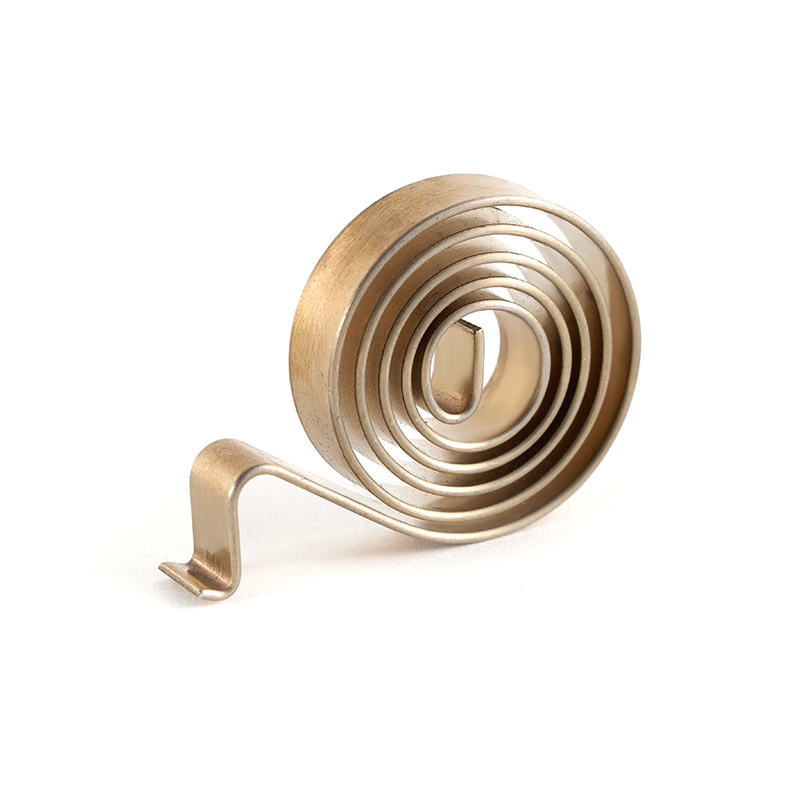
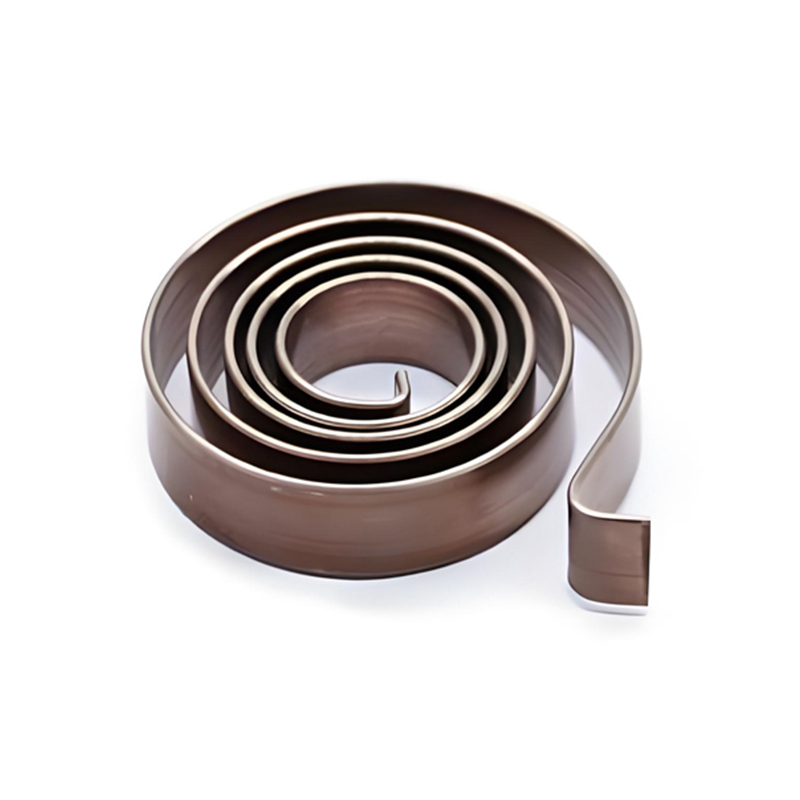
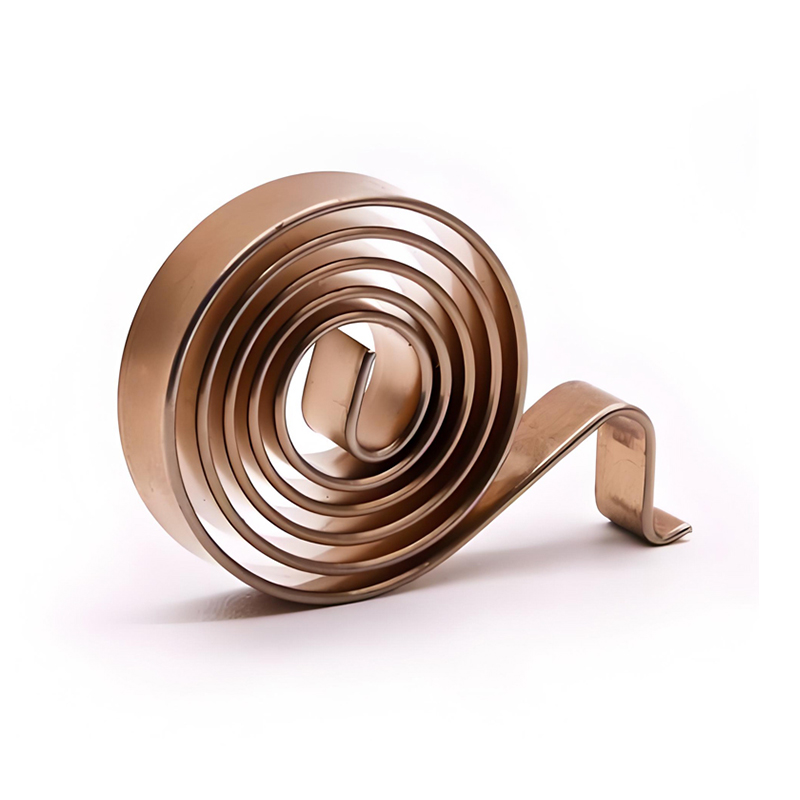
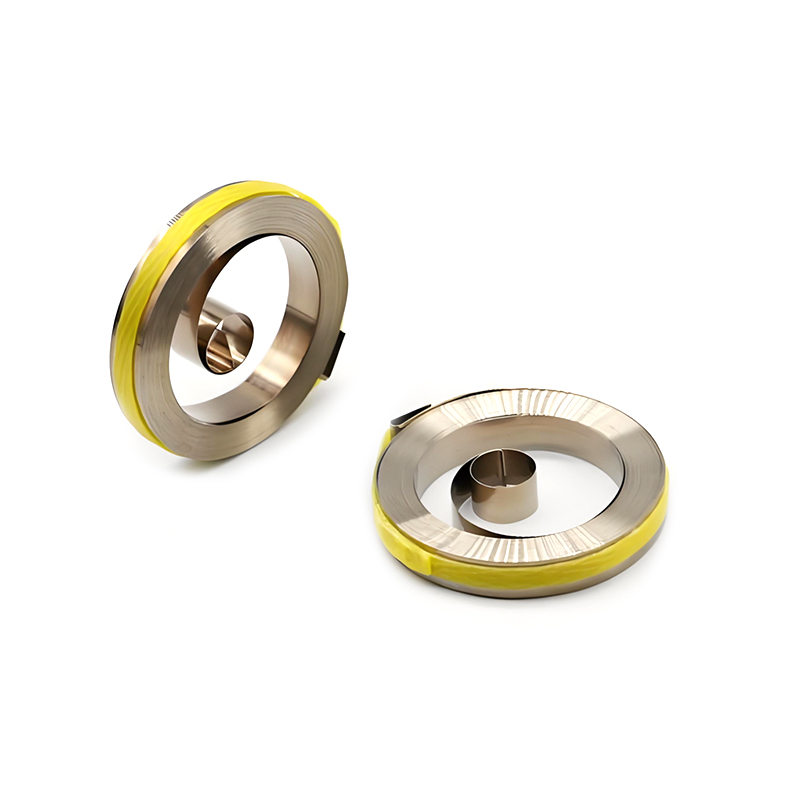
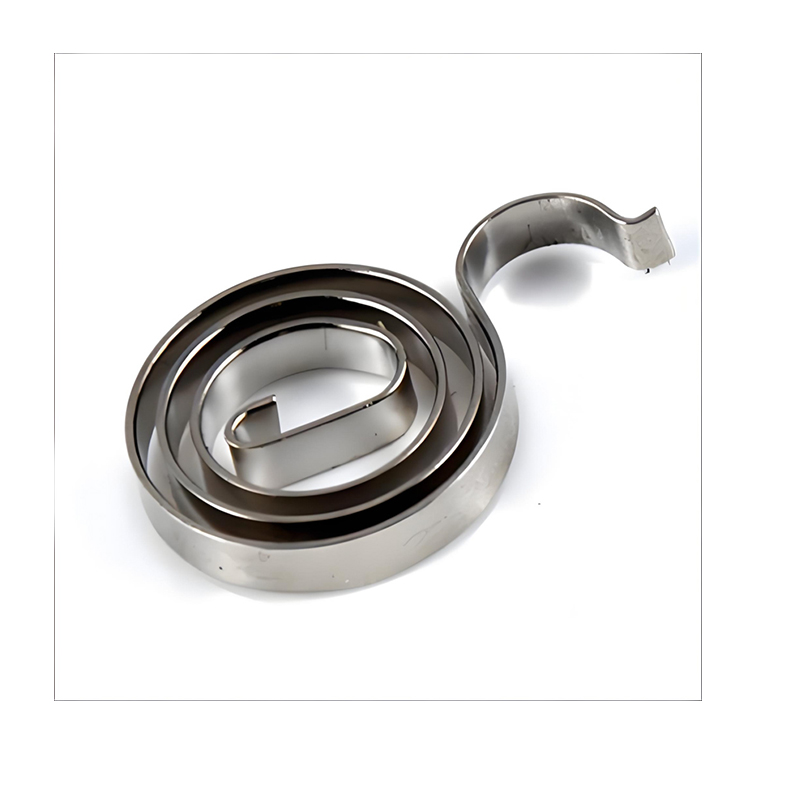
Spiral torsion springs are mechanical components designed to store rotational energy efficiently through the winding of a flat metal strip into a spiral shape. They are widely applied in devices requiring controlled angular motion, including return mechanisms, motor brush assemblies, mechanical reels, and levers. The design of a spiral torsion spring involves careful consideration of material, strip thickness, coil pitch, and total number of turns to achieve the desired torque and rotation range. The energy stored in the spiral allows for smooth rotational force, and the springs can provide consistent torque over a portion of their rotation before coil closure increases the force more rapidly. Industry attention is currently focused on designing springs that balance compact size with sufficient torque output, as many applications require energy storage in limited space. Additionally, engineers are increasingly concerned with fatigue resistance, ensuring that springs can maintain their mechanical properties through repeated cycles without degradation. Advanced design also emphasizes optimizing the spring for linear torque delivery, reducing friction, and controlling stress distribution to enhance lifespan. Spiral torsion springs are essential for modern mechanical systems where precise, reliable rotational force is required in a compact form.
Clock Spring
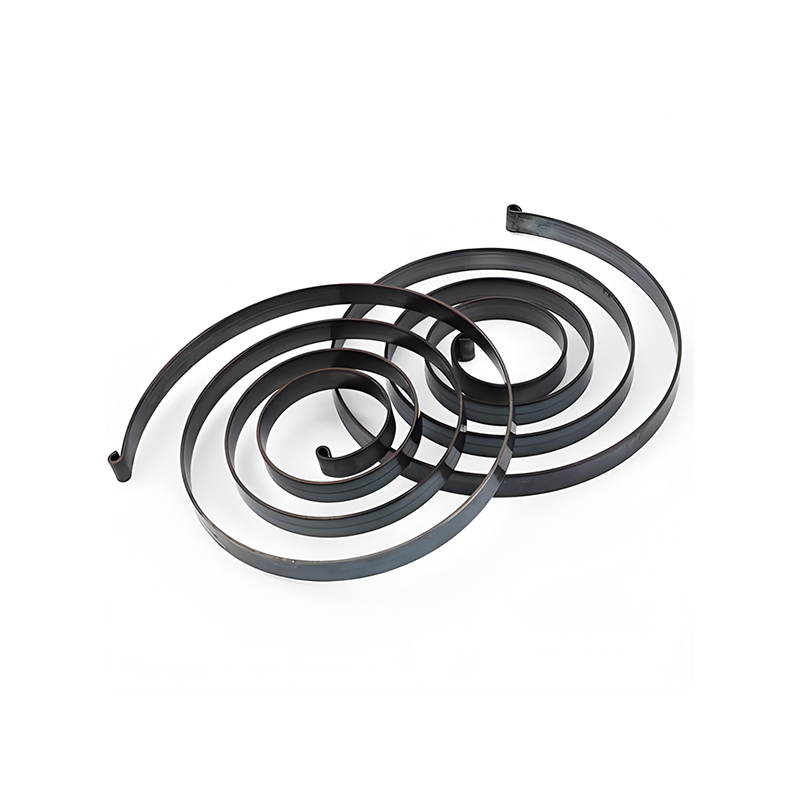
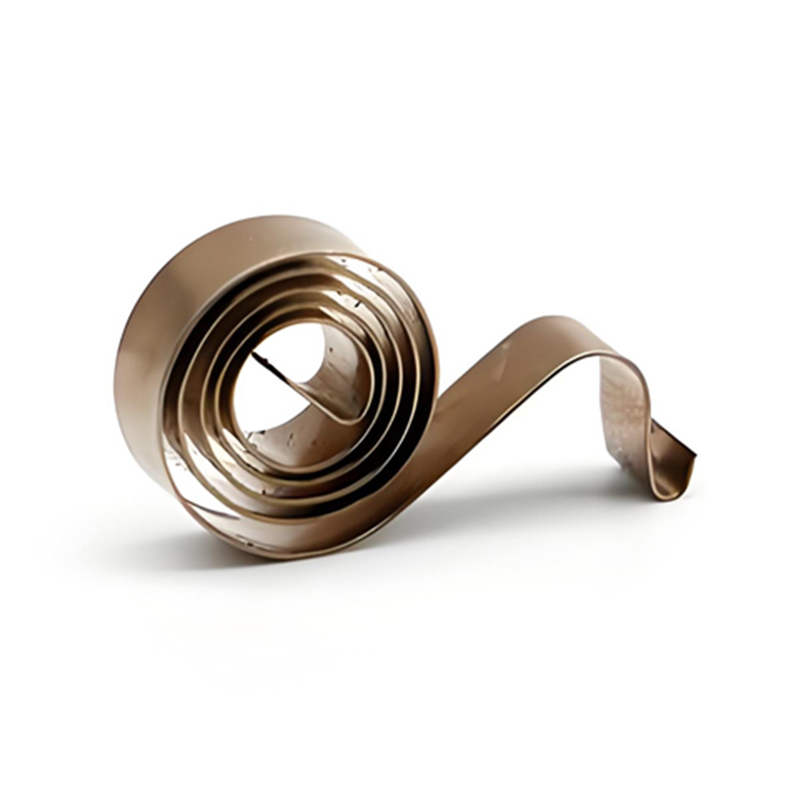
Clock springs are a type of spiral-wound spring historically used in timekeeping mechanisms but now applied in broader energy storage and motion control contexts. In mechanical devices, clock springs store energy when wound and release it steadily to drive connected components. Key considerations include coil geometry, strip material, and attachment method, all of which influence torque consistency and durability. Designers pay close attention to space constraints, as clock springs are often implemented in compact assemblies where efficient energy storage is crucial. Modern applications extend beyond timepieces, encompassing retractable mechanisms, counterbalance systems, and precision instruments. Industry trends indicate a growing interest in understanding torque profiles, fatigue limits, and the effects of repeated cycling on performance. Additionally, material selection—such as high-carbon steel for strength or stainless steel for corrosion resistance—is an important factor influencing lifespan and reliability. By providing accurate torque characteristics and reliable operation in compact spaces, clock springs remain critical components for a range of mechanical designs where controlled rotational energy is required.
Flat Coil Torsion Spring
Flat coil torsion springs, also known as flat spiral torsion springs, are manufactured by winding a flat metal strip into a tightly coiled, planar spiral. This configuration enables them to generate significant torque in a limited radial or axial space, making them suitable for compact mechanisms such as timers, retractable devices, actuators, and precision instruments. The torque profile of a flat coil torsion spring is determined by the number of turns, coil spacing, strip cross-section, and material properties. Designers aim to achieve linear torque delivery across the intended range of rotation while minimizing internal friction and stress concentration. Current design focus also includes optimizing spring dimensions to fit restricted spaces without compromising energy storage, enhancing fatigue resistance, and selecting suitable materials to ensure long-term reliability. Flat coil torsion springs are increasingly valued in applications requiring a balance between compactness, torque efficiency, and operational consistency. By carefully tailoring the geometry, material, and installation configuration, these springs provide controlled rotational energy for a variety of modern mechanical systems.
Industry Knowledge and Trends
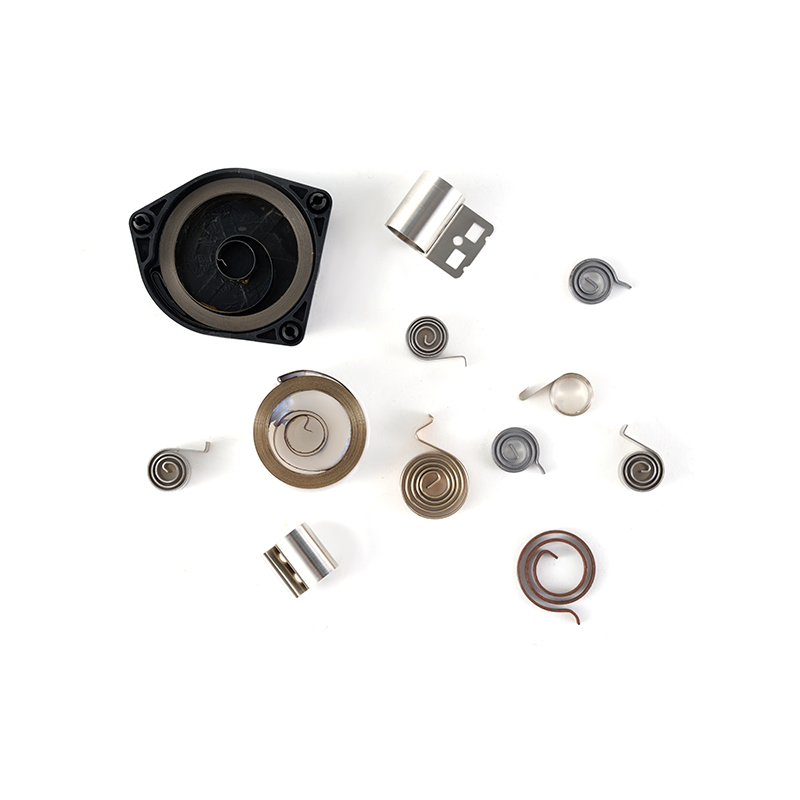
Across the industry, key topics of interest regarding spiral torsion springs, clock springs, and flat coil torsion springs include torque consistency, energy storage efficiency, fatigue resistance, and compact design. Engineers are focused on understanding torque curves throughout the rotation, ensuring linear performance where required, and avoiding excessive stress at coil closure. Material choice plays a major role in durability and corrosion resistance, with attention to high-carbon steel or stainless steel based on application needs. Compactness is increasingly important, as many modern mechanisms require effective energy storage in limited axial or radial space. Fatigue life, cycle testing, and torque predictability are critical for reliability in precision and repetitive applications. Additionally, the trend toward custom-designed springs that meet specific torque, space, and lifespan requirements is growing, as standardized springs often cannot meet all modern design constraints. Overall, these springs remain essential in mechanisms requiring controlled rotational motion, energy storage, or counterbalance functionality, with engineering focus on efficiency, consistency, and longevity.

 English
 中文简体
中文简体 русский
 Español
 Deutsch