English
 中文简体
中文简体 русский
 Español
 Deutsch
ndl ndl ndl ndl ndl ndl ndl ndl ndl ndl ndl ndl ndl ndl ndl ndl
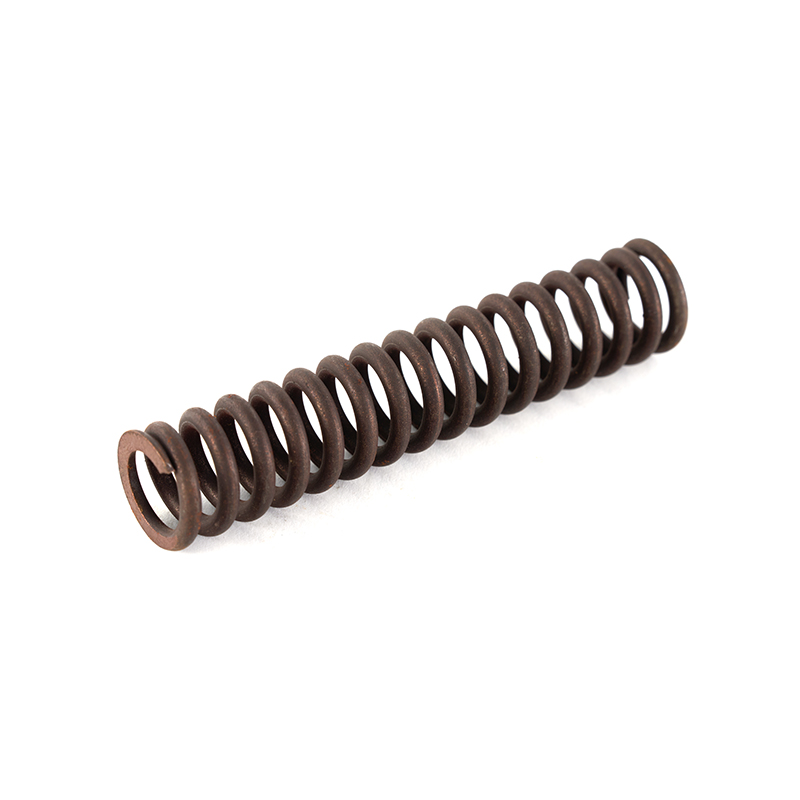
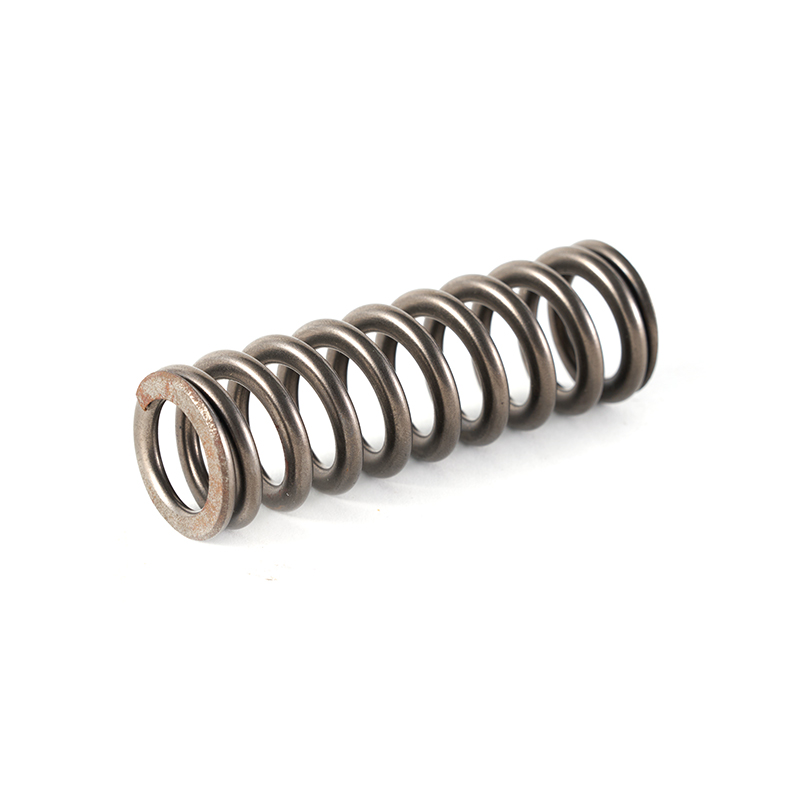
Small components tend to have an outsized influence on how a mechanical product actually performs. A compression spring might look like a fairly basic piece of metal, but its role in supporting movement, absorbing force, and keeping operation stable can matter a great deal across many applications. A Precision Compression Spring is built specifically for situations where consistent performance and careful control aren't optional — they're the whole point. These springs show up across machinery, equipment, electronic devices, and plenty of other products that depend on controlled movement. Picking the right one isn't really about size or looks. The working environment, material choice, application purpose, and design requirements all factor into whether a spring actually fits a given project. Understanding these factors tends to make the decision a lot easier for engineers and buyers alike.
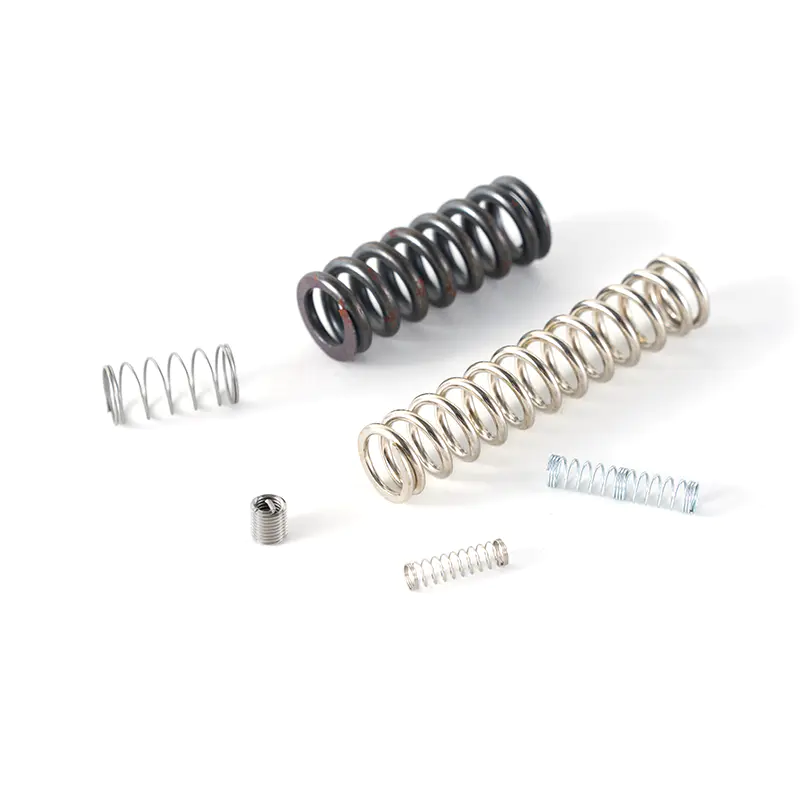
A compression spring is a mechanical component built to resist pushing force. Apply pressure, and it compresses while storing energy. Remove that force, and it moves back toward its original shape.
A Precision Compression Spring puts extra emphasis on consistent movement and a reliable response every time.
Common applications include:
| Industry Area | Common Purpose |
|---|---|
| Mechanical equipment | Supports movement and force control |
| Electronic products | Helps with small mechanical actions |
| Automotive components | Assists different operating functions |
| Industrial devices | Provides controlled support |
These springs don't get chosen simply because they generate force — plenty of springs can do that. Their real value shows up in how consistently they perform through repeated use. A suitable spring should really match the demands of the application, rather than getting picked just because it looks about the right size.
The working environment is honestly one of the biggest factors in choosing a spring. Different applications place different demands on how a spring needs to perform. A spring inside a large machine faces different conditions than one tucked into a small electronic device.
Before settling on anything, it helps to understand:
A compact product, for instance, might call for a fairly different design approach than a piece of large equipment would. The spring's intended purpose ends up driving a lot of the design decisions downstream — and a spring that performs well in one setting won't necessarily deliver the same result somewhere else.
Material shapes how a spring behaves throughout its working life. Different materials offer different levels of flexibility, durability, and resistance to whatever environmental conditions it'll face.
Common considerations when selecting material:
| Material Consideration | Why It Matters |
|---|---|
| Strength | Influences how the spring handles force |
| Flexibility | Affects movement and response |
| Environmental resistance | Helps match different working conditions |
| Long-term use | Relates to repeated operation over time |
The surrounding environment tends to steer material selection quite a bit. A spring sitting inside a clean, climate-controlled device faces very different requirements than one exposed to shifting temperatures or harsher conditions. Getting the material right just helps the spring fit the application more effectively overall.
The design of a compression spring shapes how it responds once it's actually in operation. Even fairly minor design differences can change how a spring feels and functions in practice.
Design considerations worth paying attention to:
A well-thought-out spring design should work smoothly alongside other components in the system. When the spring and application don't line up well, it can create unwanted movement or drag down the overall effectiveness of the whole system — which is exactly why precision springs need this level of attention to detail before production even begins.
Space limitations come up constantly in product design. A lot of devices need components that fit into fairly tight areas while still delivering the function they're meant for.
When choosing a Precision Compression Spring, worth thinking through:
A spring that's too large simply won't fit properly. One that's too small might not deliver the support the application actually needs. The goal, really, is finding that balance between physical space constraints and functional requirements — and good spring selection tends to consider the whole system, not just the spring sitting on its own.
The environment a spring operates in can shape its entire service life. Temperature swings, moisture, dust, and repeated movement all have the potential to affect how a spring behaves over time. Different applications call for different levels of protection and durability.
Worth asking:
| Question | Purpose |
|---|---|
| Where will the spring be used? | Understand the environment |
| How often will it move? | Evaluate repeated operation |
| What parts interact with it? | Ensure proper matching |
| What maintenance is expected? | Plan for long-term use |
A spring operating in a stable, controlled environment has different needs than one working under more demanding conditions. Sorting through these details before purchase tends to head off a lot of problems down the road.
Manufacturing consistency matters a great deal when it comes to precision components. A spring might look simple on the surface, but small variations in how it's made can noticeably affect how it performs once it's installed.
Quality considerations worth keeping in mind:
For businesses sourcing springs for production, consistency tends to be a top concern. A good supplier should genuinely understand the application requirements and deliver products that actually match the intended use — and clear communication between designers, manufacturers, and buyers goes a long way toward avoiding mismatches later on.
Purchasing a Precision Compression Spring usually involves more than just picking a product off a spec sheet. It helps to understand the full application before committing to anything.
A few useful questions to work through:
What function will the spring actually perform?
A clear sense of purpose helps point toward the right design direction from the start.
What conditions will the spring face?
The working environment shapes both material and design choices quite directly.
How will it connect with other components?
Good integration tends to make for smoother, more reliable operation overall.
What level of consistency does the application demand?
Applications requiring precise, repeatable movement usually call for closer attention to production quality.
Working through these questions helps buyers communicate their actual needs more clearly to whoever's supplying the spring.
Plenty of applications come with fairly unique requirements, and a standard off-the-shelf spring doesn't always match a specific product design. Custom options can help when a project calls for a different shape, material, or overall performance approach.
Customization might involve:
Working with a manufacturer that genuinely understands these considerations tends to make the whole selection process a lot smoother — and the key, really, is just being clear upfront about how the spring will actually be used.
Selecting a Precision Compression Spring really comes down to weighing application needs, material, design, operating environment, and manufacturing quality together. Once engineers and buyers understand how each of these factors shapes performance, they're in a much better position to choose a spring that genuinely fits their equipment and supports reliable operation over time.

QUICK LINKS
PRODUCTS
If you have any questions, please get in touch with us.
Tel: +86-13626772101
WhatsApp: +86-13626772101
Add: Ningdeli Spring, Danxi First Industrial Zone, Danxi Town, Yueqing City, Zhejiang

Wholesale Springs Manufacturer