CDC Damping Solenoid Valve Spring Industry knowledge
CDC Damping Solenoid Valve Spring
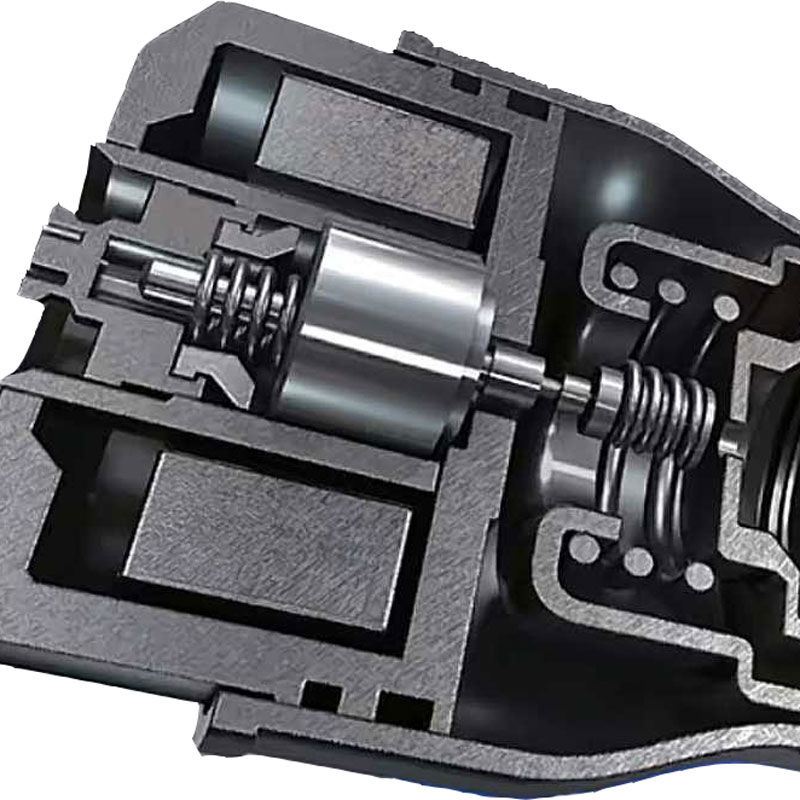
The CDC Damping Solenoid Valve Spring is widely discussed in the automotive suspension field because users and engineers are focusing on how these springs influence controlled damping behavior. Searches on Google often relate to ride comfort, smooth chassis response, and how electronically actuated damping adjusts to different road surfaces. This spring works inside a solenoid valve that regulates oil flow in a continuously controlled damping system. As a critical elastic component, it supports the valve’s ability to shift between damping settings, affecting both compression and rebound characteristics. Industry discussions highlight material stability, dimensional accuracy, and fatigue resistance because the spring cycles repeatedly under hydraulic pressure and temperature variation. Users are also concerned about corrosion protection, magnetic field compatibility, and consistency of force output. There is growing interest in how spring geometry influences valve timing and how manufacturing precision contributes to predictable actuation. Automotive enthusiasts pay attention to maintenance cycles, while OEM engineers evaluate performance under vibration, thermal cycling, and variable load environments. As vehicles integrate more electronic sensing and adjustment technologies, the role of these springs becomes more visible in search trends. Keywords commonly associated include controlled damping, electronically regulated suspension, and valve response sensitivity. The component is recognized not only as a mechanical spring but also as part of a wider electro-hydraulic system where accuracy directly affects handling stability. These industry insights shape ongoing research and purchasing considerations, reflecting why CDC damping solenoid valve springs receive increasing technical attention.
Adaptive Damping Solenoid Valve Spring
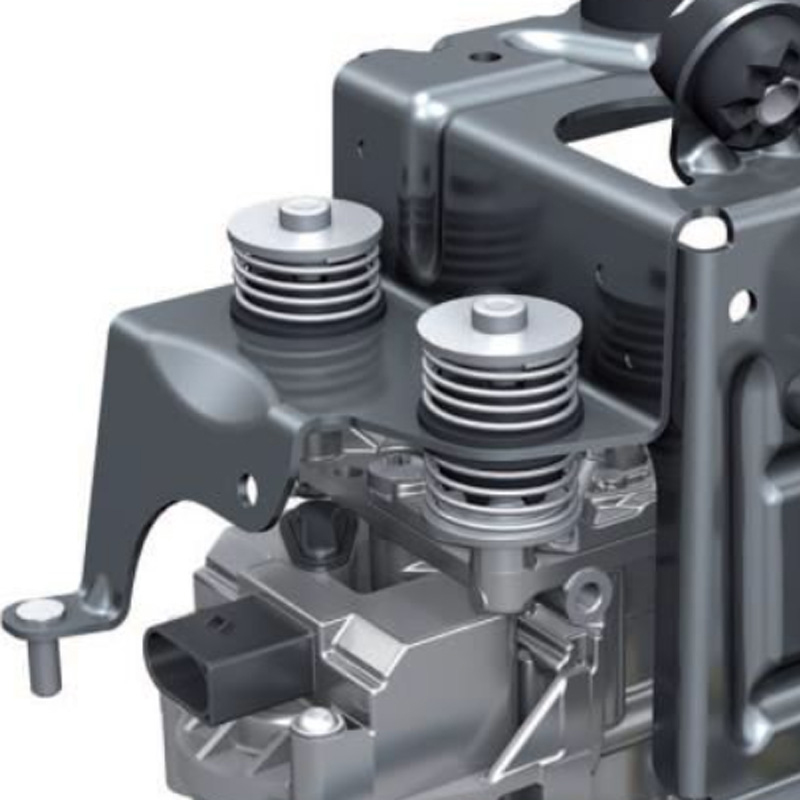
The Adaptive Damping Solenoid Valve Spring attracts online interest because consumers and engineers want to understand how adaptive damping systems alter suspension feel in real time. Searches frequently relate to adjustable ride stiffness, sensor-based control, and how the spring influences actuator movement inside the valve mechanism. This component enables the adaptive suspension unit to adjust damping rates according to driving mode, steering input, body motion, and terrain conditions. Technical discussions emphasize how spring force values affect the valve’s ability to regulate hydraulic passages smoothly. Industry knowledge points to parameters such as load retention, spring rate uniformity, and repeatable deflection performance. Material choices, heat treatment processes, and precision winding are mentioned as contributors to stability under continuous cycling. Users also ask about long-term durability when exposed to dust, moisture, and fluctuating temperatures. Automotive engineering forums often compare acoustic behavior, low-noise operation, and vibration control. Manufacturers and system designers evaluate response sensitivity because adaptive damping settings require accurate mechanical reaction inside the solenoid valve. Another trending advancedic concerns compatibility with multi-mode suspension systems found in modern vehicles. Interest is growing in how spring calibration affects comfort during city driving and firmness during highway or dynamic conditions. Safety, handling predictability, and driving confidence frequently appear in search patterns. These industry conversations illustrate why the adaptive damping solenoid valve spring is viewed as a key contributor to electronically managed suspension performance.
Electronic Suspension Valve Spring
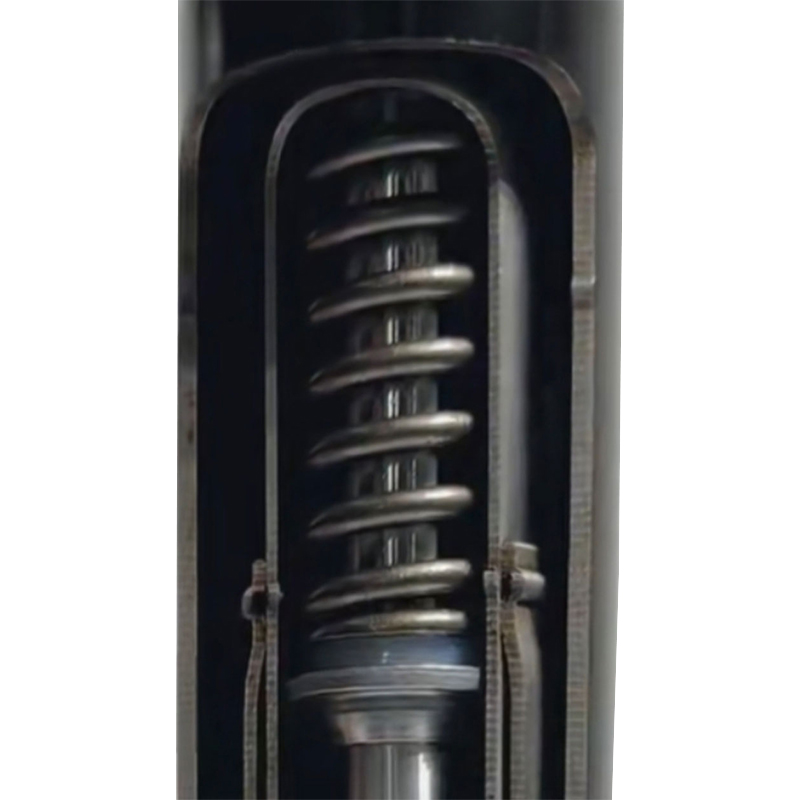
The Electronic Suspension Valve Spring is gaining attention online because vehicle owners and engineers are increasingly researching electronically managed chassis systems. Google searches highlight questions about how these springs influence electronically controlled oil channels, sensor feedback timing, and suspension adjustment cycles. This spring functions inside a valve unit that responds to electronic signals to adjust suspension firmness in real time. Industry knowledge emphasizes how the spring supports controlled movement of the valve components, enabling smooth modulation of damping levels. The conversation often revolves around precision force characteristics, dimensional tolerance, and the ability to maintain stability across repeated actuation cycles. Users are also curious about reliability during extended driving, effects of continuous electrical triggering, and compatibility with control modules. Engineers analyze spring performance in relation to ride balance, road grip, cornering behavior, and vibration filtering. Material strength, fatigue resistance, and corrosion protection are frequent technical concerns due to exposure to hydraulic oil and temperature changes. Another prevalent advanced technology involves integration with advanced driver assistance systems, where suspension response influences vehicle dynamics. Searches connect this component with electric vehicles, SUVs, and high-comfort passenger platforms because these segments increasingly adopt electronically managed suspension technology. Industry discussions indicate that consistent spring behavior supports predictable handling and smoother chassis transitions. These insights reflect why electronic suspension valve springs remain an active advanced topic among professionals and end users researching suspension innovation.

 English
 中文简体
中文简体 русский
 Español
 Deutsch