English
 中文简体
中文简体 русский
 Español
 Deutsch
ndl ndl ndl ndl ndl ndl ndl ndl ndl ndl ndl ndl ndl ndl ndl ndl
A compact mechanism often looks simple from the outside. Tight housing, limited space, a few moving parts working together. Nothing dramatic. But once you look closer, there's usually one element doing a surprisingly steady job—keeping everything returning to where it should be. That's where a compression spring comes in. It doesn't draw attention, but it keeps motion from drifting out of control. In many designs, especially those built around precision movement, the spring is what brings the system back after every push or compression. And here's something engineers often notice in practice: when space gets tighter, expectations on that small coil actually go up, not down.
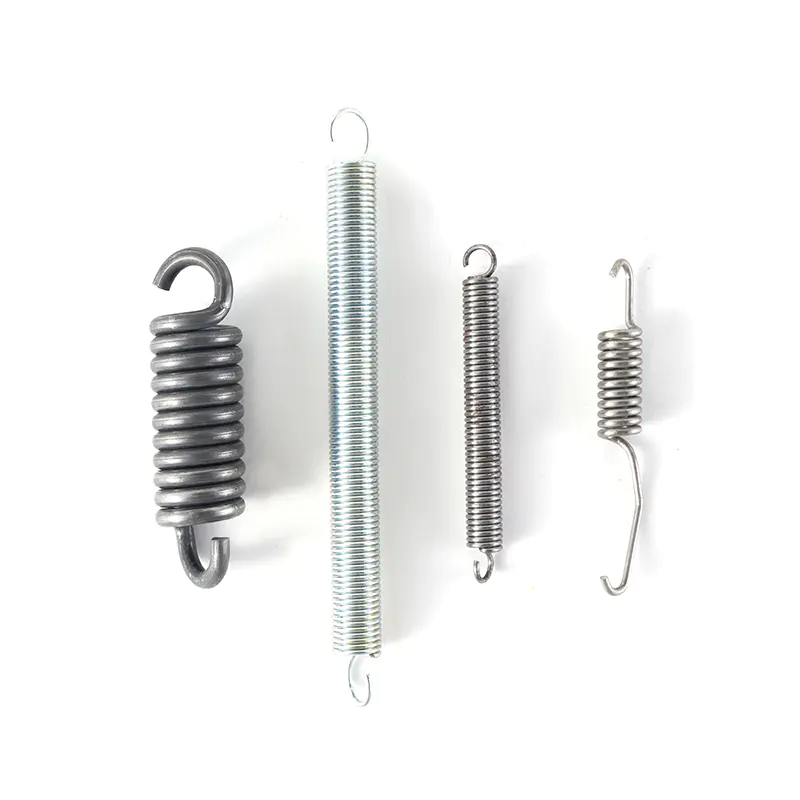
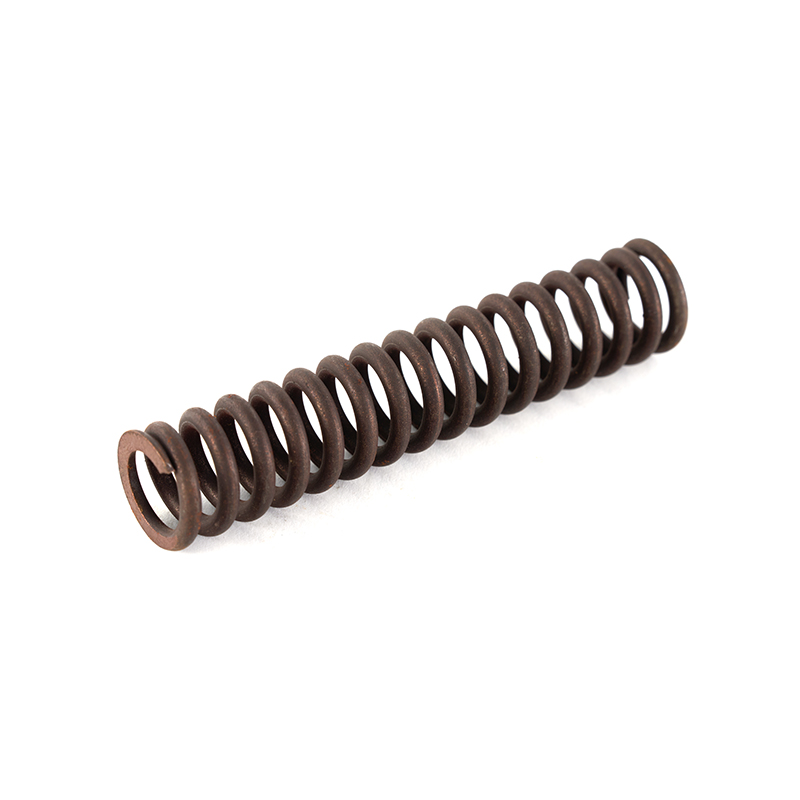
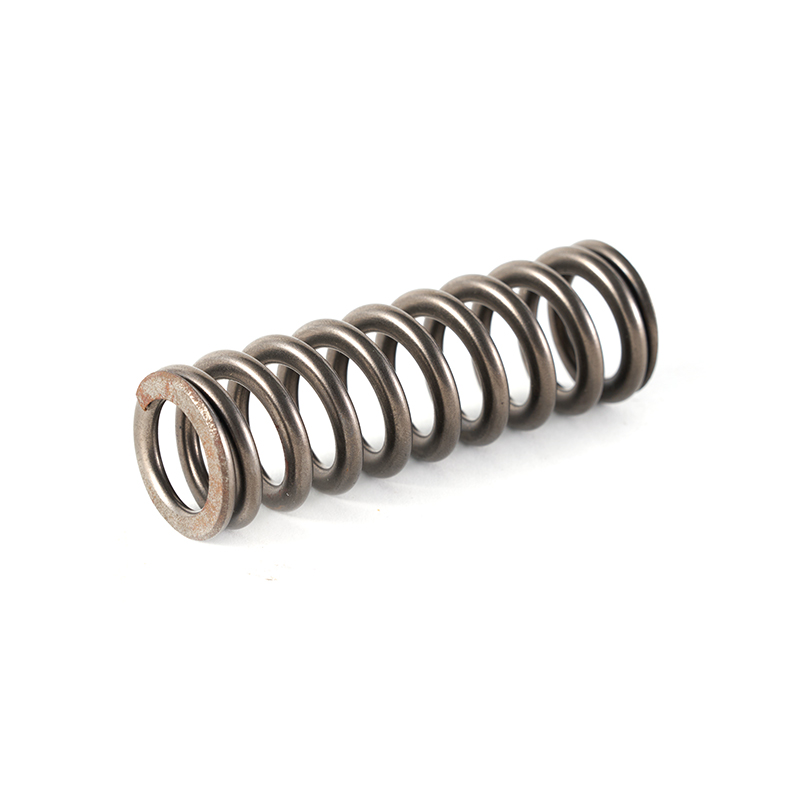
If someone asks how a compression spring works, the textbook answer usually sounds clean—apply force, store energy, release force. Simple enough. But in real mechanisms, especially compact ones, it feels a bit more "alive" than that description suggests. When pressure is applied, the coil compresses and the material inside bends slightly, holding energy in a deformed state. Once the load is gone, that stored energy pushes the structure back. That's the return force people rely on, even if they never think about it directly. It's interesting though—this recovery isn't happening in isolation. The spring is always interacting with guides, walls, shafts, and sometimes even surfaces that aren't perfectly aligned. So the motion is never just straight physics on paper. It's physics plus real-world friction, tiny shifts, and mechanical "noise."
Put the same spring in a large system and it behaves one way. Put it in a compact mechanism, and it starts behaving slightly differently—not because it changed, but because everything around it did. In tight assemblies, the spring doesn't get much room to expand or settle. It's constantly constrained. That means even small deviations in alignment can start to matter. Sometimes engineers describe it in a very simple way: the spring feels "less forgiving" in small spaces. Not weaker, just more sensitive. And that sensitivity is exactly why Compact Mechanisms demand more attention to detail than people expect at first glance.
A Precision Compression Spring is often misunderstood as just a "better made" spring. But in engineering use, the focus is less about being stronger and more about being repeatable. You compress it once, it behaves a certain way. You compress it a thousand times, and ideally it behaves almost the same. That consistency is what keeps compact systems stable. In real applications—think small actuators, locking systems, or electronic assemblies—the spring isn't working alone. It's part of a chain reaction. If its force shifts even slightly over time, timing and alignment in the whole mechanism can start to drift. So precision here is less about perfection, more about staying predictable under repetition.
In theory, energy goes in, energy comes out. But when you watch a spring cycle again and again, things feel a bit more layered. Each compression slightly changes internal stress. Not in a dramatic way, just enough to accumulate over time. The coil might still look fine, still feel fine, but internally it's carrying a history of motion. That's where fatigue comes into the picture. It doesn't show up suddenly. It creeps in slowly, almost politely, until return force starts feeling a bit softer than it used to. And in compact mechanisms, that shift is easier to notice because there's less "buffer" in the system to hide it.
One thing that surprises many designers early on is how much alignment affects spring behavior. If a spring sits perfectly centered, it compresses smoothly. But even a slight offset can introduce uneven force distribution. That creates friction points, and friction changes everything about how the spring returns. It doesn't always fail the system. It just makes motion less clean. In compact assemblies, where everything is packed tightly together, there's simply less tolerance for these small imperfections. The system doesn't collapse—but it becomes less smooth, less predictable.
People often treat material choice as a static decision. Pick a type, move on. But in spring design, material behavior is more like a long conversation with time. Some materials keep their elasticity steady over many cycles. Others slowly shift in feel depending on load history, temperature changes, or repeated deformation. What's interesting is that these changes don't always show up immediately. You might only notice them after long operation cycles, when the return force starts feeling slightly different than the early stage behavior. So material selection becomes less about "what works" and more about "what stays stable long enough in real use."
When space is limited, nothing fits perfectly without compromise. Springs included. If the coil is too large, it won't fit inside the mechanism. Too small, and the force may not be enough to return the system properly. Somewhere in between is the workable zone, and finding it is rarely a clean calculation. Engineers often adjust coil shape, stroke length, or preload conditions just to balance space and force. And even then, it's not unusual to revisit the design after testing reveals unexpected behavior. That's just how compact systems behave—they resist neat solutions.
In actual applications, conditions are rarely stable. Dust, vibration, slight temperature shifts, repeated mechanical load—all of these quietly influence how a spring performs. A mechanism might work perfectly in early testing, then behave slightly differently after months of operation. Not broken, just subtly changed. That's often where Precision Compression Spring design shows its value. It's not about preventing change entirely, but about keeping that change controlled enough not to disrupt system function.
At some point in design work, choosing a spring stops being about the component alone and becomes about the system it lives in. Engineers start asking different questions. How stable is the return force after repeated use? What happens if alignment shifts slightly? How does the spring behave when space gets even tighter during assembly? These questions don't always have exact answers, but they guide better decisions than raw specifications alone. And in many cases, selection is where performance is actually decided—not manufacturing.
There's something subtle about springs in compact mechanisms. When they work well, nobody notices them. When they don't, everything feels slightly off. That contrast is what makes them interesting. They're simple in concept, but deeply connected to system behavior. And maybe that's the key idea: reliability doesn't always come from complexity. Sometimes it comes from a small component doing a steady job, again and again, without drawing attention.
Reliable return force in compact mechanisms isn't the result of a single design choice. It comes from how material, geometry, alignment, and real operating conditions interact over time. A compression spring may look straightforward, but its behavior inside a compact system is shaped by many small influences that build up gradually. Understanding how a compression spring works helps engineers see beyond the basic motion and focus on stability in real use conditions. In compact mechanical design, that understanding often matters more than the component itself. In industrial manufacturing and precision mechanical development contexts, Zhejiang Ningdeli Spring Co., Ltd. is associated with supporting applications where Precision Compression Spring solutions are used in compact systems requiring controlled and repeatable return force behavior.

QUICK LINKS
PRODUCTS
If you have any questions, please get in touch with us.
Tel: +86-13626772101
WhatsApp: +86-13626772101
Add: Ningdeli Spring, Danxi First Industrial Zone, Danxi Town, Yueqing City, Zhejiang

Wholesale Springs Manufacturer