Compression Springs for Motors, Pumps, and Valves Industry knowledge
Compression Springs for Motors, Pumps, and Valves
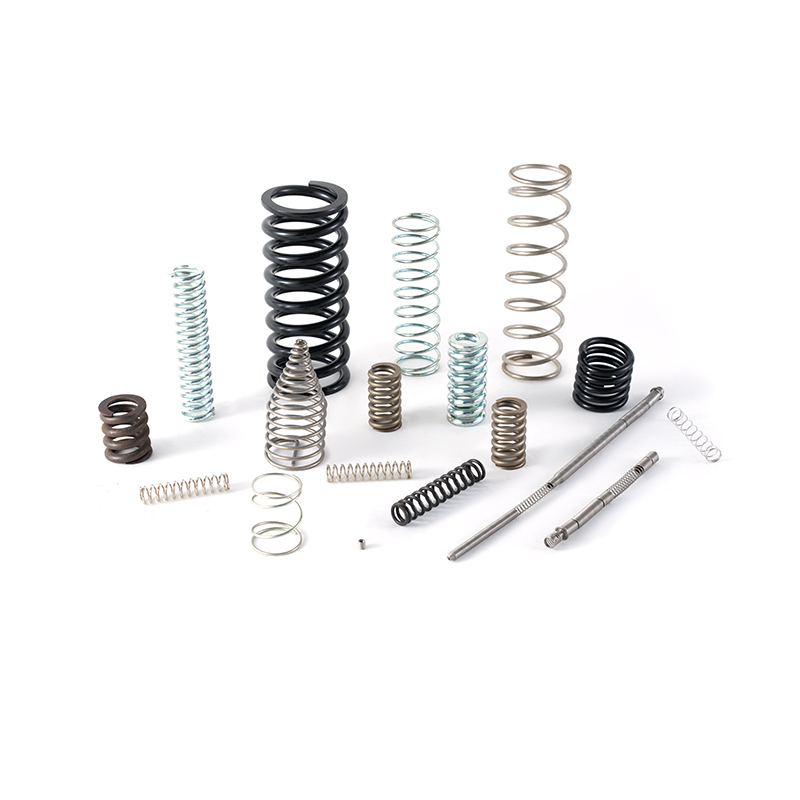
Compression springs are essential mechanical components used to store energy and absorb shock in a wide range of industrial applications. At Zhejiang Ningdeli Spring Co., Ltd., we focus on delivering high-precision compression springs designed to meet the specific requirements of motors, pumps, and valves. These springs are crafted from high-quality materials and manufactured using advanced production techniques to ensure durability, reliability, and consistent performance.
For motors, compression springs play a critical role in maintaining stable operation under variable loads. By providing controlled resistance, they help protect motor components from wear and reduce vibrations, contributing to smoother performance. In pumps, these springs regulate pressure and maintain fluid flow efficiency, ensuring the system functions consistently over time. When applied to valves, compression springs facilitate precise control of opening and closing mechanisms, allowing accurate fluid or gas flow regulation.
Each compression spring is engineered to meet stringent dimensional tolerances and mechanical specifications. This attention to detail ensures that springs maintain their force characteristics over repeated cycles, which is vital for the operational reliability of motors, pumps, and valves. By focusing on precision and performance, these components help improve equipment longevity and reduce maintenance requirements, supporting the overall efficiency of industrial systems.
Pump Compression Spring
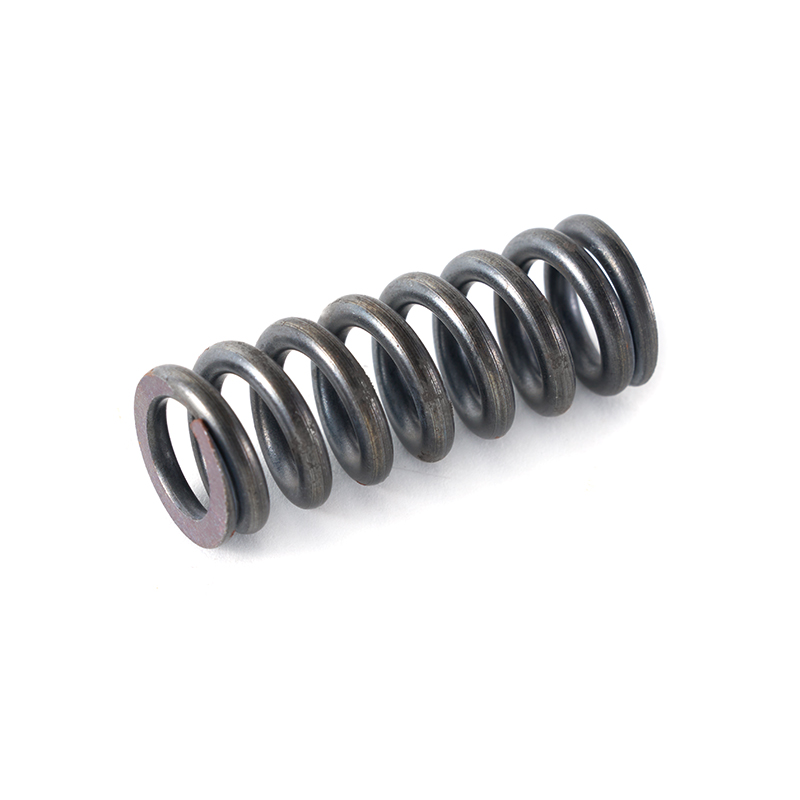
Pump compression springs are designed specifically for use in various types of pumping equipment. They provide the necessary force to maintain proper pressure, control fluid movement, and support the mechanical elements within the pump. These springs are widely used in water pumps, hydraulic pumps, and industrial process pumps where precise mechanical operation is required.
The main function of a pump compression spring is to exert consistent force on moving components, such as pistons, diaphragms, or valves, ensuring stable fluid dynamics. Variations in spring stiffness, wire diameter, and coil spacing are carefully engineered to match the pump’s operational requirements. By maintaining the correct tension, the spring helps avoid leaks, vibrations, and pressure fluctuations, which are common challenges in pumping systems.
Zhejiang Ningdeli Spring Co., Ltd. employs advanced production equipment to manufacture pump compression springs that meet stringent quality standards. Each spring undergoes rigorous testing for load consistency, fatigue resistance, and dimensional accuracy. These processes ensure that the springs perform reliably under varying pressures and temperatures, making them suitable for demanding industrial applications. In addition, customization options allow for springs to be tailored to specific pump models or operational conditions, providing flexibility for engineering solutions.
Valve Compression Spring
Valve compression springs are critical components in controlling the operation of valves across numerous industries. These springs are responsible for exerting force on valve components, ensuring accurate opening and closing actions. By providing reliable resistance, they allow precise control over fluid or gas flow, which is essential for process stability and equipment protection.
In valves, compression springs help maintain a tight seal when the valve is closed and support controlled movement when it opens. Proper spring selection is crucial, as variations in force or fatigue resistance can advance to leaks, reduced efficiency, or mechanical failure. The springs are engineered with careful attention to wire quality, coil pitch, and overall geometry to achieve the desired operational characteristics.
Zhejiang Ningdeli Spring Co., Ltd. produces valve compression springs using high-strength steel and advanced manufacturing processes. Each spring undergoes extensive testing, including load measurement, compression cycle evaluation, and corrosion resistance checks. These quality assurance measures ensure the springs can withstand continuous operation under high pressures and fluctuating temperatures. With a focus on consistency and durability, valve compression springs contribute to the smooth functioning of critical systems, such as industrial automation, fluid control, and hydraulic machinery.
Applications and Benefits
Compression springs for motors, pumps, and valves offer significant operational advantages. By providing precise resistance and returning to their original shape after compression, they reduce mechanical wear and prolong the service life of equipment. In motors, they help maintain rotor and stator alignment, preventing excessive vibration. In pumps, they support pressure regulation and fluid control, ensuring stable operation. For valves, they allow accurate and repeatable movement, supporting safety and efficiency in fluid systems.
At Zhejiang Ningdeli Spring Co., Ltd., technical expertise and quality control ensure that every spring meets application-specific requirements. Customers can rely on our springs for consistent performance in a variety of industrial environments. Each component is designed to balance mechanical strength, elasticity, and durability, providing reliable operation under repeated stress and varying environmental conditions. Customization services allow springs to be adapted for specialized tasks, offering practical solutions for challenging engineering applications.
The commitment to precision manufacturing, material quality, and functional reliability ensures that our compression springs support the good operation of motors, pumps, and valves. These components are not only essential for mechanical performance but also contribute to overall system efficiency, equipment longevity, and maintenance reduction. Through consistent innovation and quality management, Zhejiang Ningdeli Spring Co., Ltd. provides compression springs that meet industrial demands while supporting long-term operational stability.

 English
 中文简体
中文简体 русский
 Español
 Deutsch