Endotracheal Tube Spring Industry knowledge
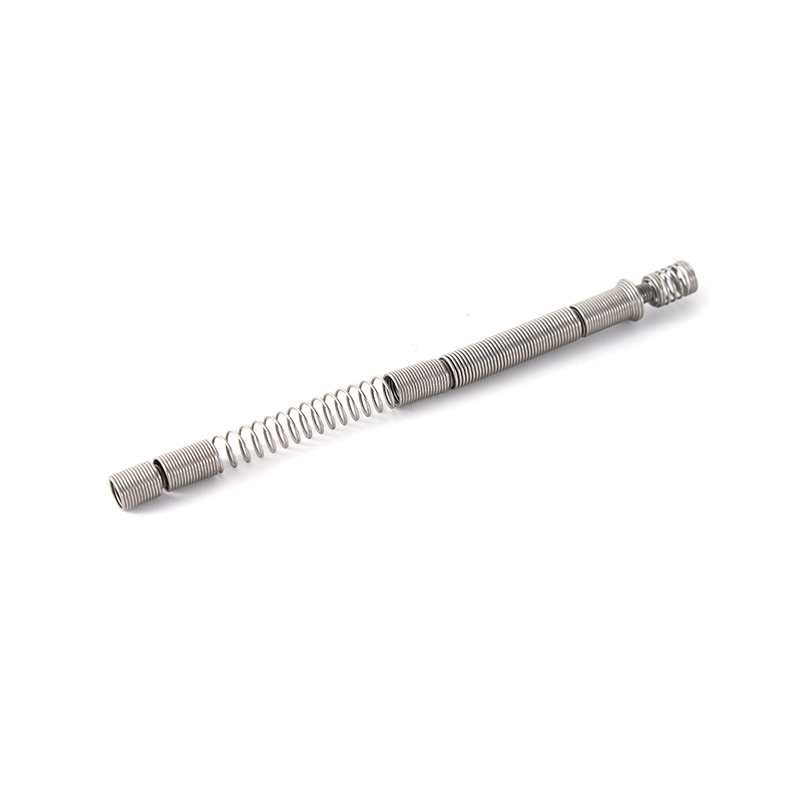
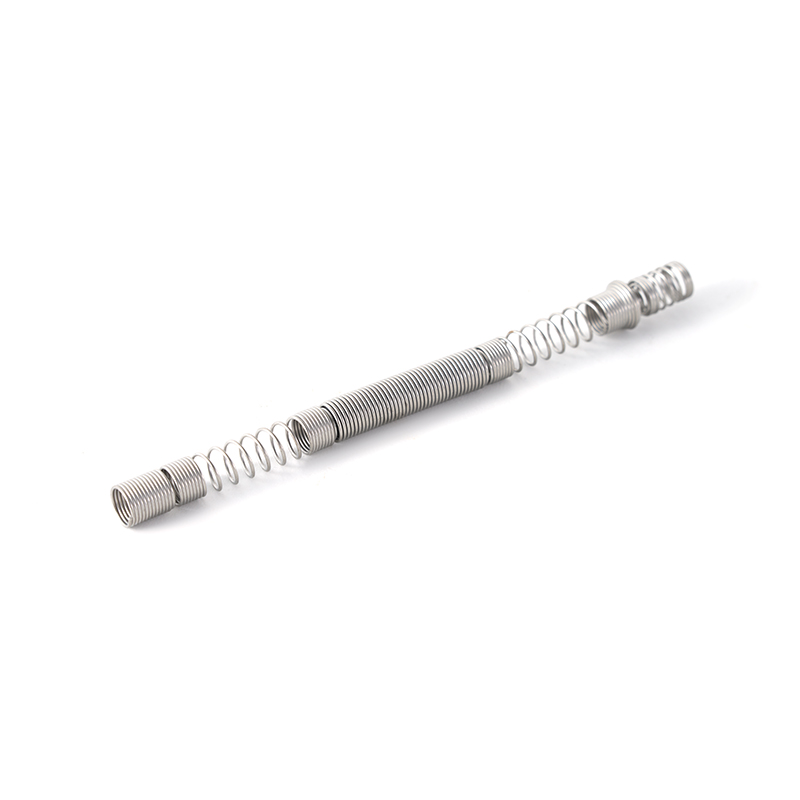
Endotracheal Tube Spring: Precision Support for Medical Airway Devices
Endotracheal tube assemblies rely on stable, flexible components capable of maintaining shape under varying clinical conditions. The endotracheal tube spring developed by Zhejiang Ningdeli Spring Co., Ltd. is designed specifically for this environment, where reliability and smooth mechanical behavior are essential. These springs are manufactured with tight dimensional control, allowing them to support tube structures while preserving the necessary flexibility for patient comfort and device function.
During use, an endotracheal tube often encounters challenges such as bending, repositioning, and exposure to differing temperature and moisture levels. The spring component must retain its characteristics without deformation, ensuring consistent performance over time. The customized forming technology applied in production helps achieve uniformity along the entire spring length, reducing the risk of weak points or irregular elasticity.
Surface treatment and material selection are also key factors. Springs for airway devices must be clean, corrosion-resistant, and compatible with medical processing requirements. By using refined manufacturing processes and inspection standards, the spring can maintain stable elasticity within narrow tolerances. This helps the endotracheal tube hold its intended curve or support structure during insertion and positioning. In addition, the smooth surface finish reduces friction and improves the interaction between the spring and surrounding polymer layers, contributing to reliable operation throughout clinical use.
ETT Spring Coil: Stable Elasticity for Controlled Flexibility
The ETT spring coil serves as one of the essential elements inside certain reinforced endotracheal tubes. Its function is to provide controlled flexibility, preventing accidental kinks while enabling smooth movement and adjustment. For this application, coil geometry, pitch consistency, and torsional behavior must meet strict criteria. Zhejiang Ningdeli Spring Co., Ltd. focuses on producing coils with stable mechanical response, helping medical device manufacturers achieve predictable and repeatable performance in their airway products.
Every detail of an ETT spring coil has direct influence on its final use. The wire diameter determines the balance between rigidity and flexibility, while the coil pitch affects how well the spring adapts to directional bending. Manufacturing equipment capable of precise coil winding ensures a stable structure, avoiding gaps or compressed areas that could affect performance. These features support the tube’s ability to withstand clinical handling, such as repositioning during intubation or patient movement.
Thermal and environmental stability are particularly relevant in healthcare environments where sterilization and cleaning procedures are common. With appropriate material treatment, the coil retains its performance characteristics even after exposure to temperature variations or humid conditions. Dimensional accuracy also plays a critical role in how the coil integrates with polymer sleeves and tube walls. By controlling these parameters, the ETT spring coil contributes to improved reliability of airway device assemblies, enabling smoother operation and more consistent behavior across a wide range of clinical scenarios.
Stainless Steel Spring for Endotracheal Tube: Durability and Controlled Performance
Springs used in reinforced endotracheal tubes require a material that combines durability with predictable mechanical behavior. Stainless steel is frequently selected because of its corrosion resistance, stability, and compatibility with medical applications. The stainless steel spring for endotracheal tube offered by Zhejiang Ningdeli Spring Co., Ltd. is manufactured through a process designed to ensure uniform structure and reliable elasticity. This allows the component to perform consistently even in demanding environments where moisture, disinfectants, and repeated movement are present.
One of the primary advantages of stainless steel in this application is its resistance to fatigue under repeated bending. Endotracheal tubes must maintain shape during extended clinical use, and the spring must bend without losing structural integrity. By applying precision forming and controlled heat treatment, the final product achieves a balance between strength and flexibility. The consistent mechanical response helps reduce the likelihood of kinks, which is crucial for maintaining a clear airway during patient care.
Stainless steel springs must also integrate smoothly within the tube’s internal configuration. Surface quality, mechanical tolerance, and roundness directly affect how the spring interacts with the surrounding polymer layers. A finely controlled surface finish lessens abrasion and ensures that the coil moves smoothly during bending. This attention to detail contributes to a more stable airway device, helping medical teams manage intubation procedures with greater confidence.
Dimensional precision is another important factor. Even minor variations in coil diameter or pitch could influence the tube’s flexibility and overall handling characteristics. Through a combination of advanced forming equipment and inspection processes, the stainless steel spring is produced with consistent geometry. This precision supports long-term device function and reinforces the tube’s ability to maintain ventilation stability during clinical procedures.

 English
 中文简体
中文简体 русский
 Español
 Deutsch