Medical Device Spring Industry knowledge
Medical Device Spring
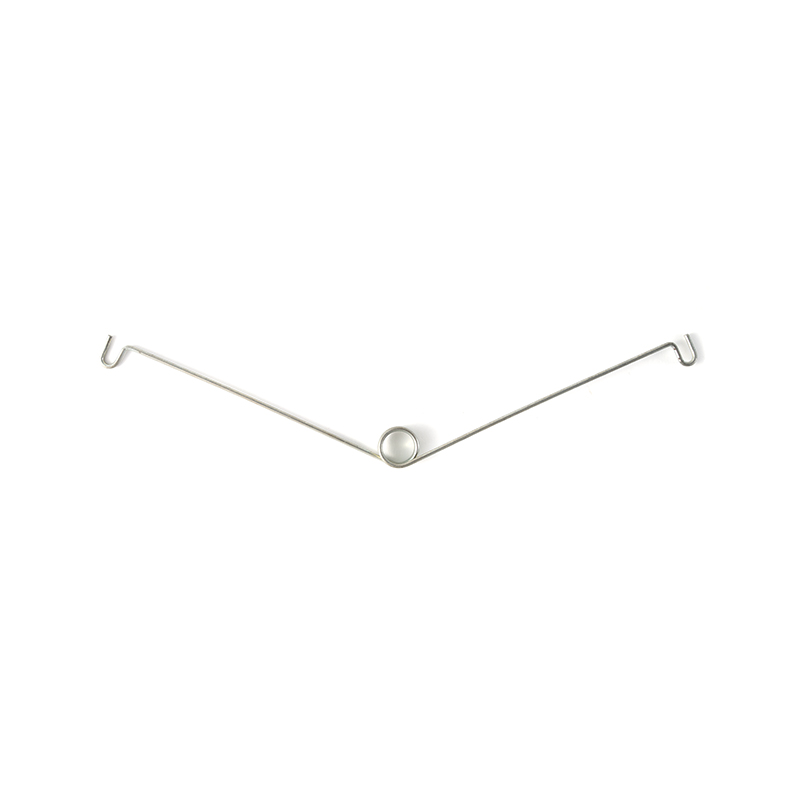
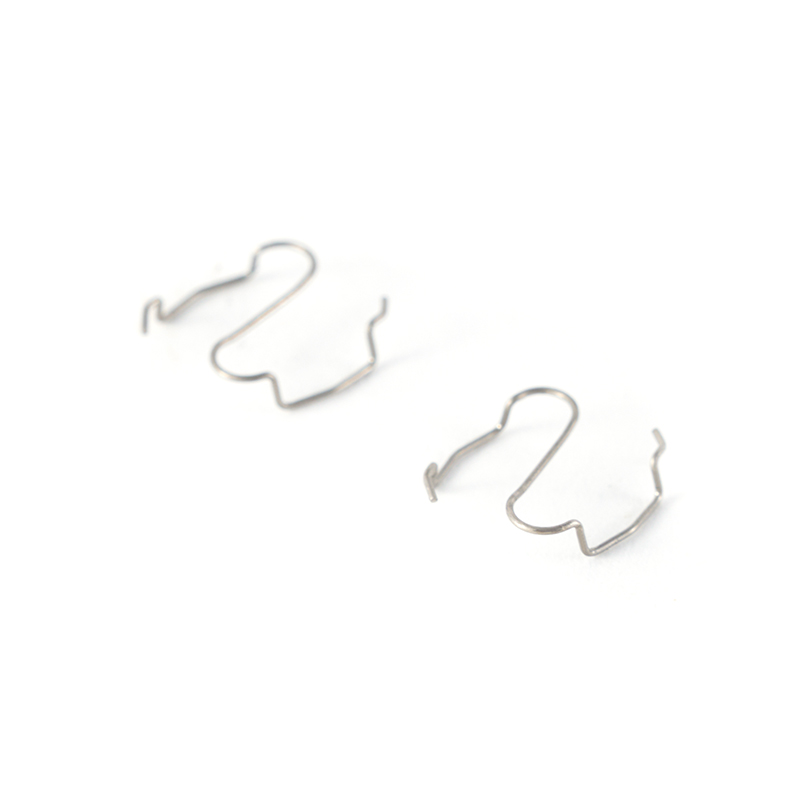
Medical device springs play an essential role in a wide range of healthcare equipment, helping support smooth motion, precise force control, and stable performance in demanding environments. Zhejiang Ningdeli Spring Co., Ltd., as a national high-tech enterprise, has accumulated experience in developing reliable spring components tailored to the needs of modern medical applications. These springs are commonly applied in diagnostic instruments, medication delivery devices, patient monitoring systems, and handheld surgical tools. Their goal is to maintain stability, deliver predictable performance, and support device designers in achieving accurate mechanical functions.
Medical device springs are often required to operate with tight dimensional tolerances and consistent force values. To support these needs, materials are selected based on corrosion resistance, fatigue life, and compatibility with medical-grade environments. Stainless steel grades, special alloys, and biocompatible materials are used depending on design requirements. Surface treatment, stress relief, and process control help ensure that the springs operate dependably even under long-term cyclic loading.
Another important aspect is miniaturization. Many medical products are becoming smaller and more portable, which requires springs that provide controlled forces within limited spaces. To achieve this, manufacturing techniques emphasize precision coiling, stable heat treatment, and advanced measuring equipment. Each spring is produced with attention to uniformity so that medical devices can function consistently across different batches of components.
Whether used for motion control, force balancing, or repeatable actuation, medical device springs contribute to the overall reliability of healthcare equipment. They help enhance the user experience for doctors and patients by ensuring predictable mechanical performance.
Precision Spring for Medical Devices
Precision springs for medical devices are designed to meet strict engineering demands where accuracy and consistency are essential. These springs are engineered for applications such as infusion pumps, sensor assemblies, surgical staplers, and minimally invasive instruments. Their function goes beyond simple elasticity; they are required to deliver repeatable mechanical behavior over thousands or millions of cycles.
The manufacturing of precision springs involves controlled wire forming, advanced CNC coiling, and comprehensive dimensional inspection. Tolerance requirements are often within microns, and the force curve must remain stable throughout the working range of the spring. Zhejiang Ningdeli Spring Co., Ltd. focuses on process innovation, allowing these springs to maintain dependable performance in environments where mechanical accuracy affects safety and device outcomes.
Material selection is one of the key factors. Medical equipment designers often require materials with predictable fatigue resistance, consistent elastic modulus, and compatibility with sterilization methods such as autoclaving, gamma radiation, and chemical cleaning. For this purpose, stainless steel, nickel-based alloys, titanium alloys, and other high-performance materials may be selected. The manufacturing process emphasizes the prevention of micro-defects, surface irregularities, or residual stresses that might affect long-term performance.
Precision springs are also required to integrate smoothly with complex assemblies. Engineers often design these springs to function within narrow mechanical windows, allowing them to contribute to energy storage, controlled release, or feedback mechanisms. Some precision springs are designed for sensory functions, supporting load detection or fine pressure control. This requires stable force-deflection behavior combined with high repeatability.
Quality control measures include force testing, dimensional analysis, free-length inspection, and surface integrity evaluation. These steps help ensure that the springs meet design specifications before they are used in production medical devices. Application-specific customization is often part of the process, ensuring that the spring’s geometry and characteristics match the end-use requirements.
Precision springs play a significant role in advancing medical equipment performance. Their stable mechanical characteristics support device designers in achieving smooth actuation, accurate dosing control, and dependable motion behavior.
Micro Spring for Medical Device
Micro springs for medical devices represent a special category of miniature elastic components designed for badly compact spaces. These springs are vital in advanced medical technologies such as micro-valves, compact sensors, wearable medical equipment, implantable components, and portable diagnostic tools. Their function is to deliver controlled mechanical motion at a very small scale while maintaining stability and reliability.
The design and production of micro springs require highly refined processes. Wire diameters may be very small, and even slight variations in coiling or heat treatment can affect performance. To manage these challenges, Zhejiang Ningdeli Spring Co., Ltd. applies precision coiling technologies, stable forming methods, and detailed measurement techniques. With high-accuracy inspection tools, each micro spring is produced to meet tight tolerances and ensure that the mechanical characteristics remain consistent.
In micro-scale applications, material behavior is even more critical. The selected alloys must sustain cyclic loading without significant fatigue degradation. They must also maintain consistent elasticity despite temperature shifts, sterilization procedures, and environmental conditions. Stainless steel micro wires, alloy wires, and customized materials are commonly used depending on device requirements.
Surface quality plays an important role in micro springs. Small imperfections can influence fatigue life and overall functionality. Therefore, surface finishing, cleaning processes, and anti-corrosion treatments are implemented to maintain smooth and clean surfaces. These steps support stable long-term mechanical performance, especially in devices requiring repeated actuation.
Micro springs frequently need to integrate with complex assemblies where space is badly limited. This requires precise control over coil count, pitch, free length, and load characteristics. In applications such as micro-valves or implantable mechanisms, even small deviations can influence functionality. Through controlled manufacturing and rigorous testing, micro springs can provide the required force balance and return motion within compact designs.
Their use contributes to the ongoing development of lightweight and portable medical equipment. As healthcare devices continue to move toward miniaturization, micro springs help engineers achieve functional mechanisms without sacrificing performance or reliability.

 English
 中文简体
中文简体 русский
 Español
 Deutsch