Enameled Coil (Automotive Inductor) Industry knowledge
Enameled Coil (Automotive Inductor)
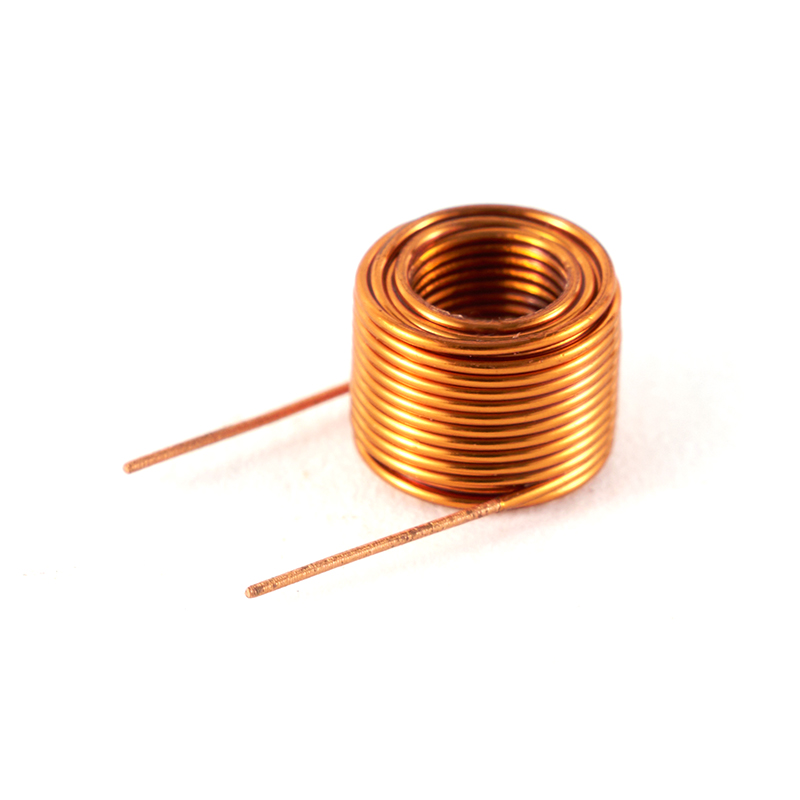
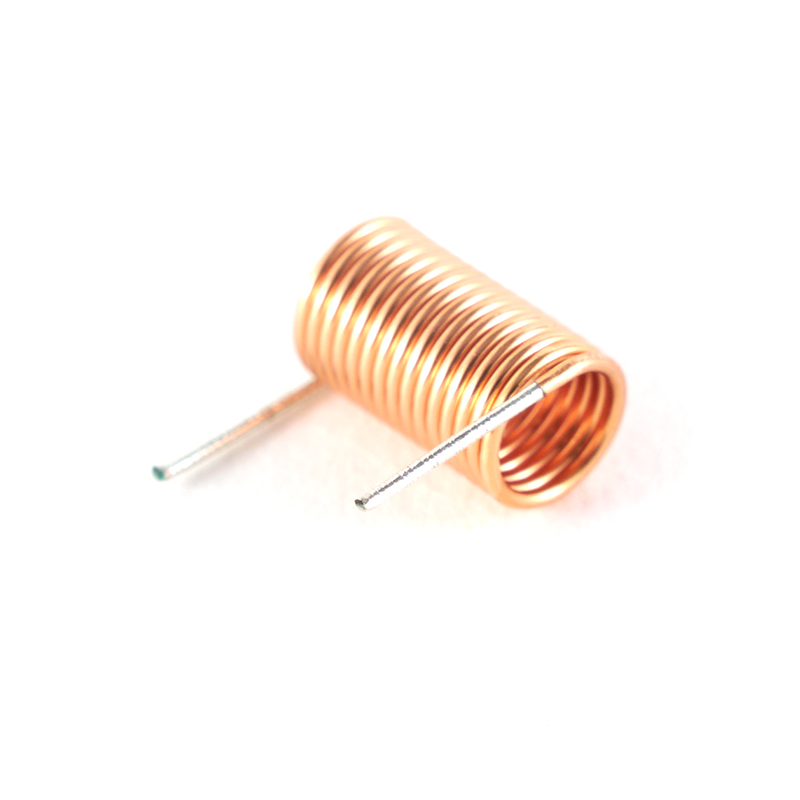
Enameled coils play a vital role in automotive inductors by providing a reliable and durable method for managing electrical currents within various automotive systems. These coils are created by tightly winding conductive wire with an insulating enamel coating, ensuring consistent performance and small energy loss. The enamel layer not only protects the wire from physical abrasion and short circuits but also improves thermal resistance, which is particularly important in automotive environments where components are exposed to high temperatures.
In automotive applications, enameled coils are widely used in circuits for power management, ignition systems, and signal processing. Their compact design allows for integration into limited spaces without compromising electrical efficiency. The precision in winding and consistent enamel coating ensures that each coil maintains stable inductance and small resistance, resulting in smoother operation of the electronic system. Additionally, these coils can be customized to meet specific requirements, such as different wire gauges, insulation thicknesses, and coil geometries, depending on the design constraints of the vehicle system.
The durability of enameled coils also makes them suitable for long-term use in harsh automotive conditions. Resistance to vibration, temperature fluctuations, and exposure to automotive fluids is critical, and high-quality enamel coating enhances this resilience. With ongoing development in automotive electronics, enameled coils continue to be a foundational component for efficient energy transfer, noise suppression, and signal stability in modern vehicles. Their role in ensuring electrical reliability and system longevity underscores their importance in automotive engineering.
Automotive Inductor Coil
Automotive inductor coils are essential components used to regulate current flow, store energy, and filter electrical signals in vehicle systems. Unlike generic inductors, automotive inductor coils are designed to withstand the demanding conditions of the automotive environment, including temperature bads, mechanical vibrations, and electromagnetic interference. These coils are typically fabricated from high-purity copper or other conductive metals and are precisely wound to achieve specific inductance values suitable for various automotive functions.
In practice, automotive inductor coils are integrated into powertrain control units, electric vehicle power converters, and advanced driver-assistance systems (ADAS). Their ability to manage transient currents and maintain voltage stability ensures that sensitive electronic components operate reliably. The coil’s geometry, winding pattern, and core material are carefully engineered to reduce energy loss and enhance magnetic performance.
Moreover, automotive inductor coils support energy efficiency within hybrid and electric vehicles by facilitating smoother current regulation and voltage transformation. Consistency in coil manufacturing is crucial to maintaining uniform electrical characteristics across production batches, which is necessary for vehicle safety and performance. By combining durability, electrical precision, and thermal stability, automotive inductor coils contribute significantly to the operational integrity of modern automotive electronics.
Power Inductor for Automotive
Power inductors for automotive applications are specialized components designed to store energy in magnetic fields and control the flow of electrical currents in high-power circuits. They are a key part of power management modules, electric drive systems, and regenerative braking circuits, where stable energy storage and precise current regulation are essential.
These inductors are built to handle high currents without overheating, with robust cores and carefully insulated windings that maintain performance even under heavy load conditions. The material selection for cores and windings is optimized to lessen energy loss and magnetic saturation, ensuring consistent performance in dynamic automotive environments.
In electric and hybrid vehicles, power inductors are particularly important for efficient energy conversion and voltage regulation. They enable smooth operation of inverters, DC-DC converters, and battery management systems by reducing ripple currents and electromagnetic interference. The mechanical design also ensures that the inductors remain stable during vehicle operation, resisting vibrations and shocks commonly encountered on the road.
Customization is often offered for power inductors to meet specific voltage, current, and thermal requirements. Factors such as winding configuration, core material, and encapsulation methods are tailored to match the vehicle system’s design specifications. By combining energy efficiency, durability, and precise electromagnetic performance, automotive power inductors play a critical role in supporting the reliability and safety of modern vehicles.

 English
 中文简体
中文简体 русский
 Español
 Deutsch