English
 中文简体
中文简体 русский
 Español
 Deutsch
ndl ndl ndl ndl ndl ndl ndl ndl ndl ndl ndl ndl ndl ndl ndl ndl
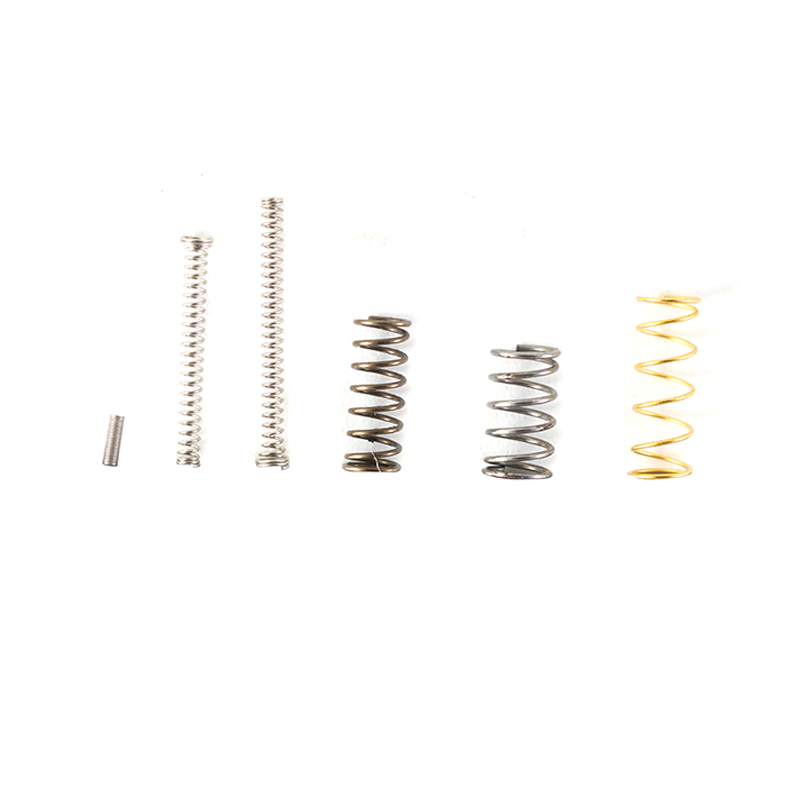
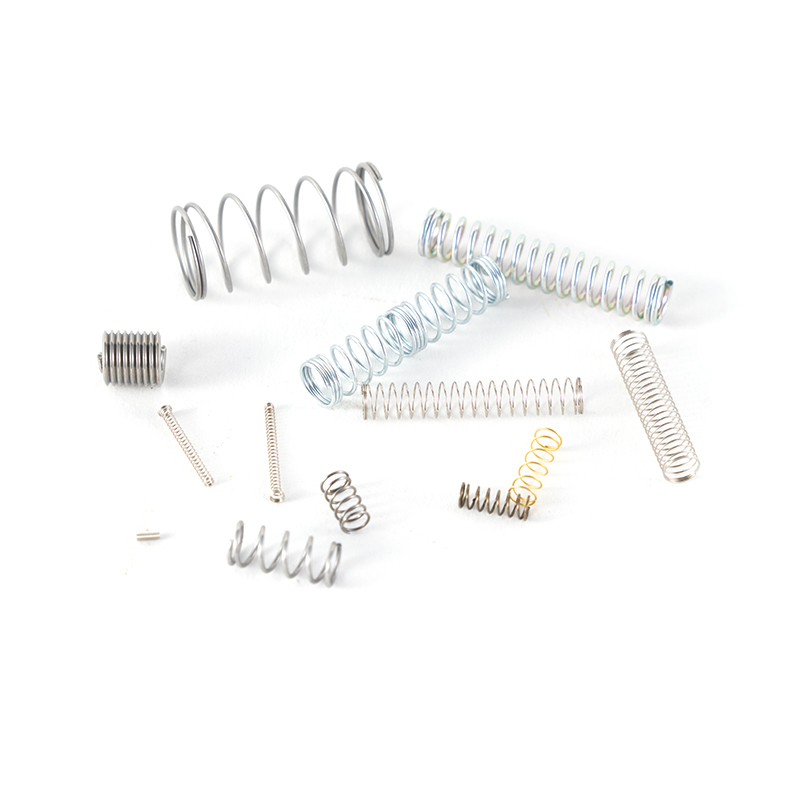
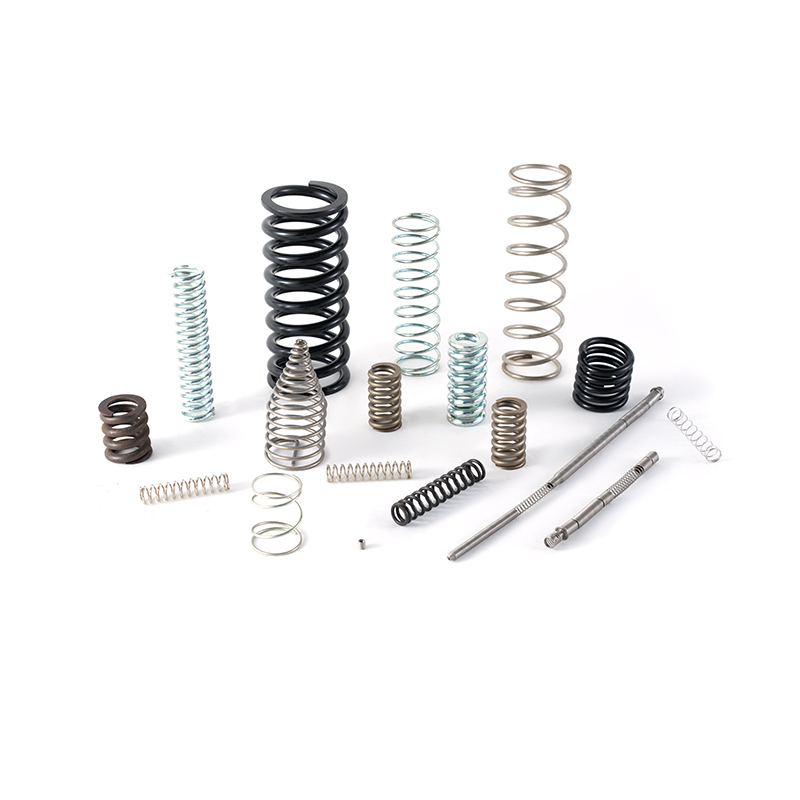
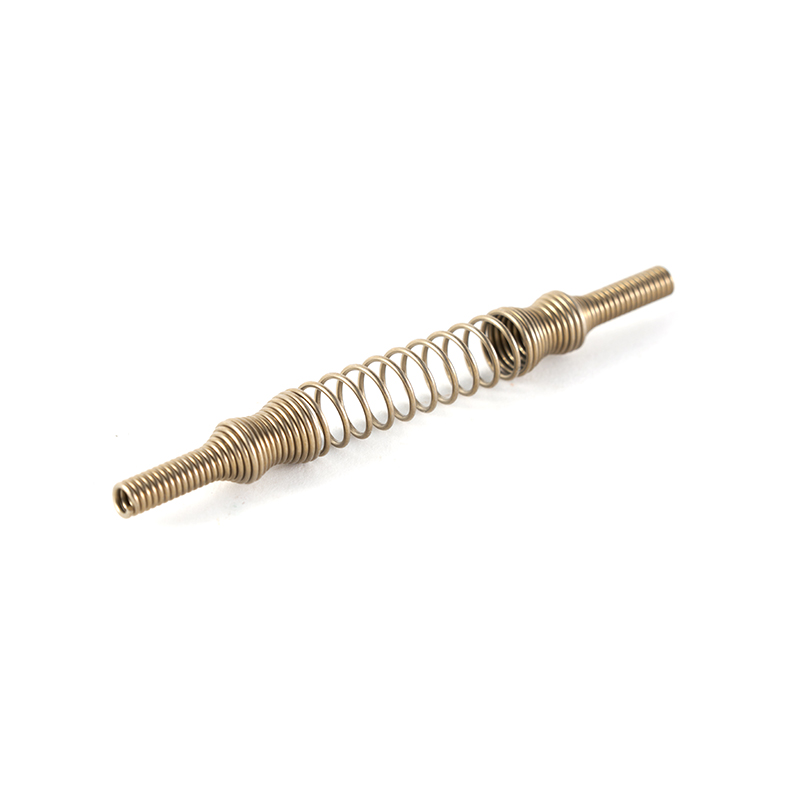
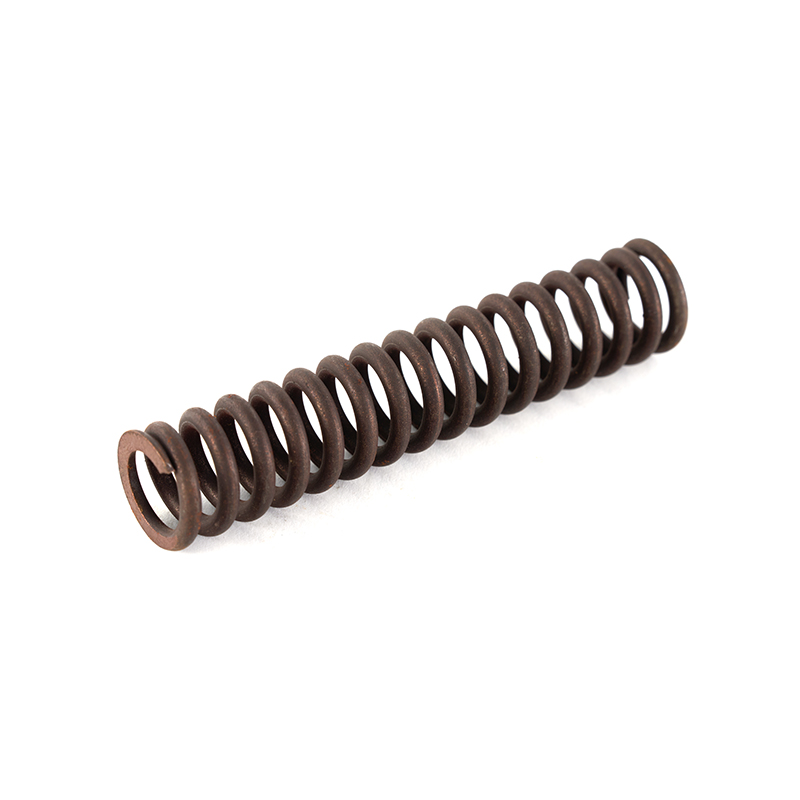
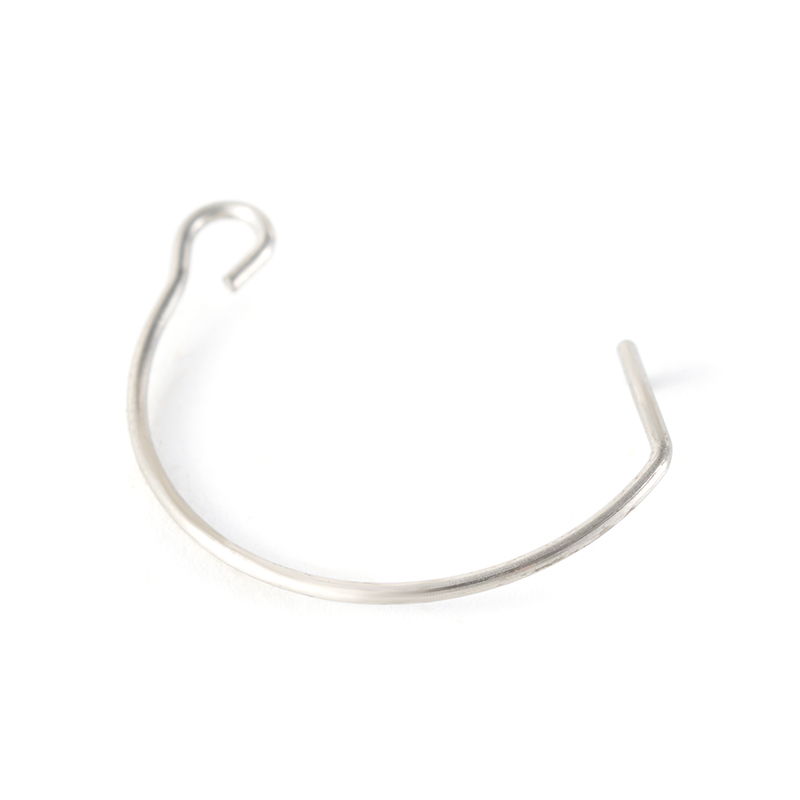
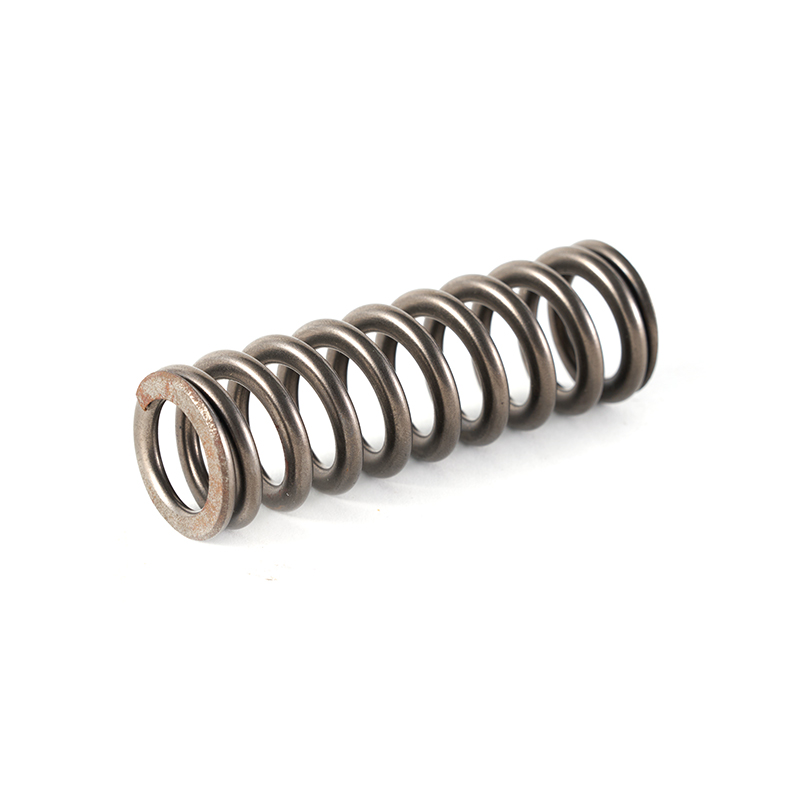
As global manufacturing supply chains continue to evolve, buyers are paying closer attention to the smallest components within complex systems. Springs, once treated as standardized parts, are now being evaluated for their role in safety, durability, and product efficiency. As a dedicated Spring Factory, we have seen growing international demand for application-focused Stretch Spring solutions that support modern industrial and automotive design requirements.
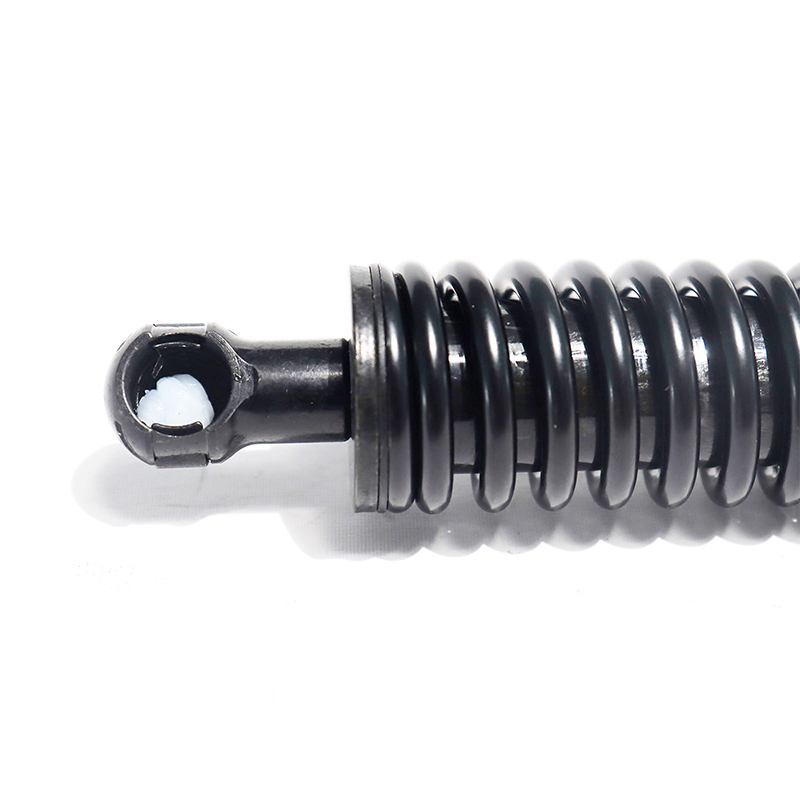
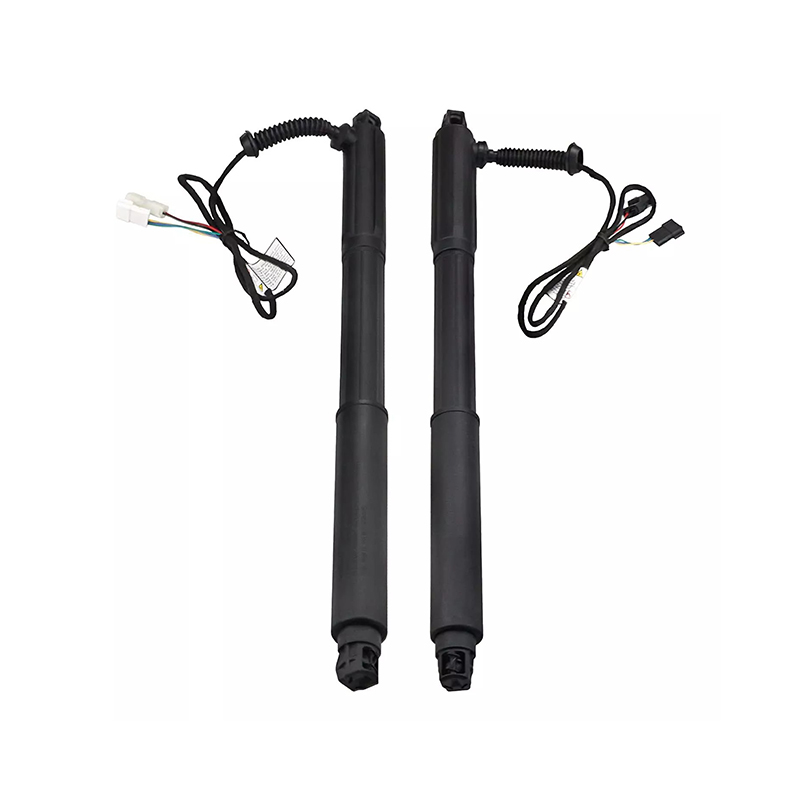
In sectors such as automotive components, automated equipment, and mechanical assemblies, designers are under pressure to improve efficiency without increasing complexity. Stretch springs are widely used to maintain tension, absorb movement, and support controlled motion. When these components fail to perform consistently, the impact can ripple across an entire system. This has led procurement teams to look beyond catalogs and focus on manufacturer capability.
Stretch springs are commonly integrated into braking systems, seating mechanisms, access panels, and control assemblies. Their ability to provide controlled resistance makes them essential in environments where repeated motion is required. Overseas engineering discussions increasingly highlight fatigue resistance and recovery performance as key considerations. These conversations reinforce the importance of working with manufacturers who understand how springs behave under real operating conditions.
Modern buyers rarely rely on drawings alone. Instead, they expect manufacturers to understand how springs interact with surrounding components. As a factory-level supplier, we often discuss installation direction, movement range, and expected service cycles with clients. This collaborative approach helps ensure that each spring performs as intended throughout its lifecycle.
Key Considerations for OEM Buyers When Selecting Springs
Based on long-term cooperation with overseas OEMs and equipment manufacturers, several decision factors frequently appear during sourcing discussions:
These considerations reflect a shift toward reliability-focused sourcing strategies.
Producing stretch springs at scale requires more than forming wire into shape. Heat treatment, surface finishing, and dimensional control all influence final performance. As a manufacturer, we focus on standardized production processes that reduce variation and support predictable results. This process stability is especially important for customers who rely on consistent component behavior across multiple product generations.
Customization has become an important part of industrial sourcing. Many applications require springs with specific tension characteristics or end configurations to fit limited spaces. Stretch springs that are tailored to application needs can help improve product function while reducing assembly complexity. A capable spring factory supports this demand by offering design input without disrupting manufacturing efficiency.
In global markets, delivery reliability and communication matter as much as technical capability. Buyers often evaluate suppliers based on their ability to support ongoing production rather than one-time orders. Manufacturers who maintain stable material sourcing and clear production planning are better positioned to support long-term partnerships, especially in industries with strict timelines.
As products become more refined, component-level expertise becomes increasingly valuable. Stretch springs may appear simple, but their performance depends heavily on production discipline and application understanding. Manufacturers who invest in process control and technical communication are more likely to meet evolving buyer expectations.
As industries continue to pursue efficiency and reliability, the demand for dependable mechanical components will remain strong. Springs will continue to play a foundational role in countless applications. By combining application insight with controlled production systems, a professional Spring Factory can provide Stretch Spring solutions that support innovation, consistency, and long-term success in global markets.

QUICK LINKS
PRODUCTS
If you have any questions, please get in touch with us.
Tel: +86-13626772101
WhatsApp: +86-13626772101
Add: Ningdeli Spring, Danxi First Industrial Zone, Danxi Town, Yueqing City, Zhejiang

Wholesale Springs Manufacturer