English
 中文简体
中文简体 русский
 Español
 Deutsch
ndl ndl ndl ndl ndl ndl ndl ndl ndl ndl ndl ndl ndl ndl ndl ndl
As global automotive technology continues advancing across electrification, lightweighting, and intelligent chassis innovation, the performance of fundamental mechanical components is being re-evaluated. Among these core elements, the Automotive Spring has gained renewed attention from engineers, suppliers, and car owners. The industry’s focus on vehicle stability, driving comfort, and long-term system reliability makes spring technology more relevant than ever. This rising demand also sparks broader conversations about design optimization, manufacturing precision, and durability expectations in various international automotive communities.
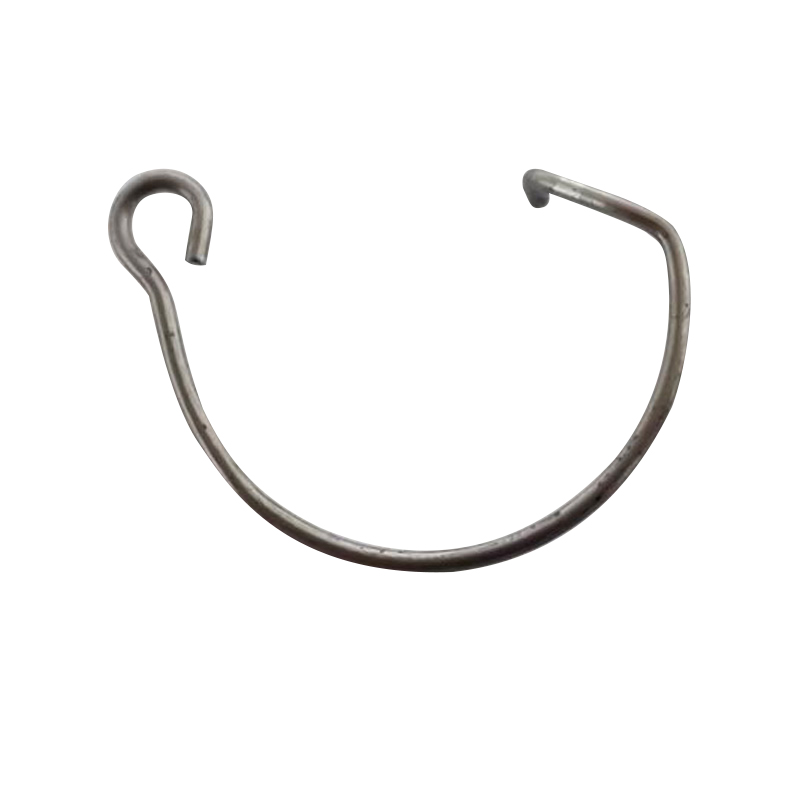
Automotive platforms are undergoing rapid transformation. Electric vehicles, hybrid systems, and new-energy fleets are reshaping how suspension components function under new loads and vibrations. These changes require springs that maintain consistent support while adapting to different torque outputs and weight distributions.
Modern suspension engineers emphasize how advanced steel compositions, improved tempering processes, and controlled coil geometry contribute to a smoother and more stable driving experience. Vehicle owners across social platforms increasingly highlight comfort and handling as key purchase considerations, pushing manufacturers to rethink traditional spring design. As a result, performance-oriented spring engineering is no longer exclusive to high-end vehicles but is gradually entering mainstream automotive production.
One of the most discussed topics in overseas automotive forums is long-term reliability. Drivers expect vehicles to withstand diverse road environments ranging from smooth highways to unpredictable off-road terrains. This shift has amplified the importance of springs that resist fatigue, corrosion, and deformation over extended use.
Industry analysts note that the resurgence of high-quality spring production reflects a wider trend: consumers want components that extend vehicle lifespan rather than just meet basic performance standards. Whether used in commercial fleets, personal cars, or heavy-duty vehicles, durability is now regarded as a baseline expectation, not a premium feature. This change encourages automotive suppliers worldwide to incorporate more rigorous testing and enhanced surface treatments during production.
Precision in spring production has become a strong focus among manufacturers because even slight deviations can influence how a suspension system behaves. Overseas automotive discussions often highlight the benefits of consistent coil winding, refined heat treatment, and advanced load-testing procedures.
Automotive factories embracing digital quality management systems—such as 3D measurement, automated sorting, and material traceability—are gaining more visibility. These technologies support the creation of springs that balance flexibility and strength without compromising structural integrity. For buyers researching reliable suppliers, the presence of modern machining standards often becomes a major decision-making factor.
With vehicle models becoming more diverse, customization has become a popular trend. Owners of SUVs, commercial vans, modified cars, and performance vehicles are actively seeking spring solutions tailored to unique driving needs. This includes springs with specific load capacities, coil counts, or vibration characteristics.
International consumer markets show growing interest in suspension components that enhance personal driving preferences. Manufacturers offering professional technical guidance, customized specifications, and compatibility consulting are better positioned to stand out. As automotive personalization expands, so does the demand for flexible and innovative spring production capabilities.
Looking forward, the spring manufacturing industry will continue evolving alongside global automotive trends such as autonomous driving, chassis digitalization, and intelligent suspension systems. These emerging technologies require springs that respond quickly, maintain stability, and support more complex vehicle dynamics.
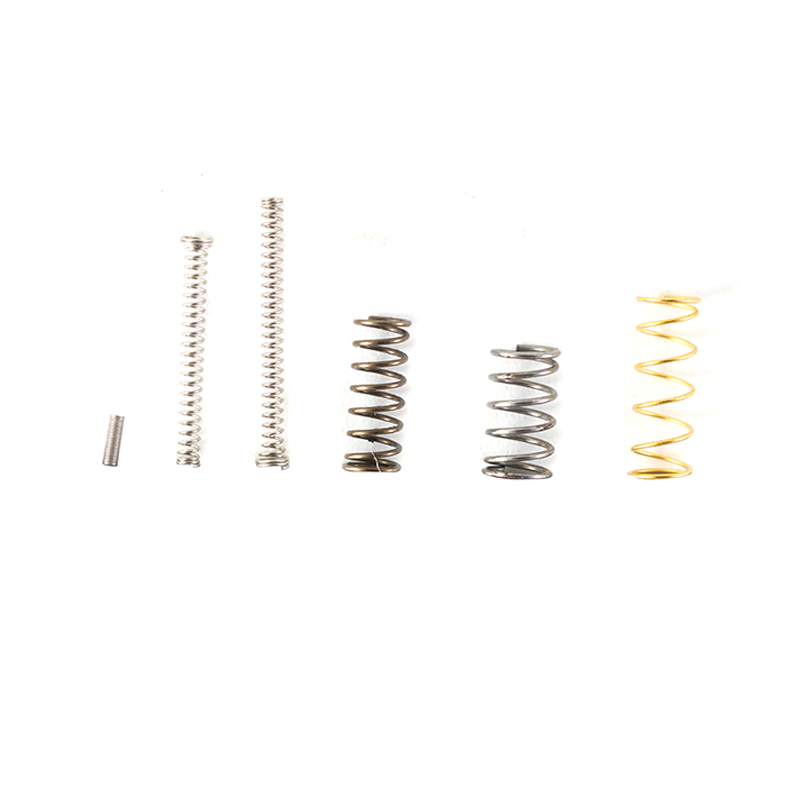
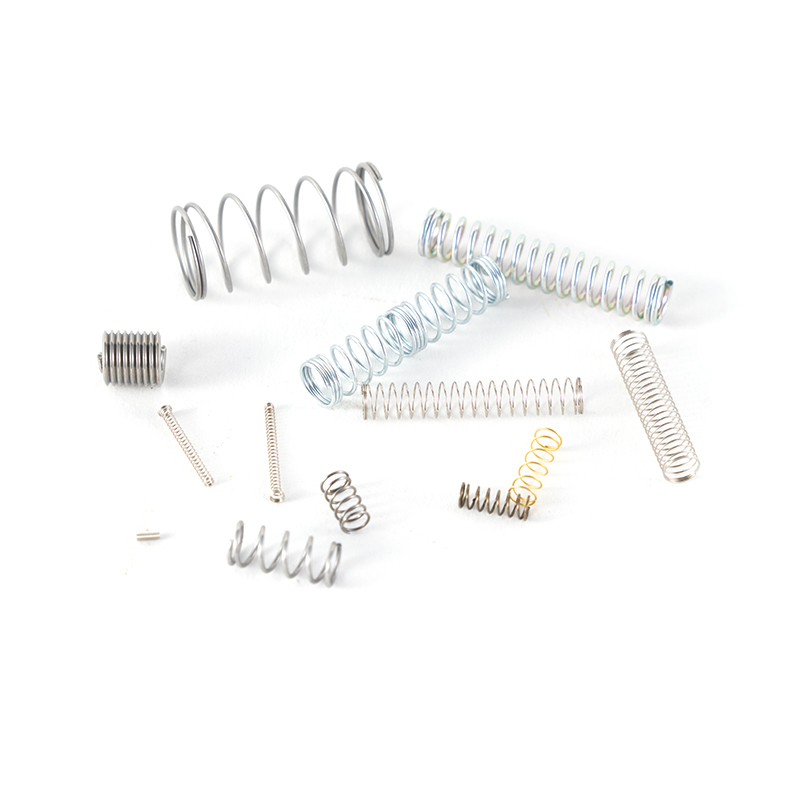
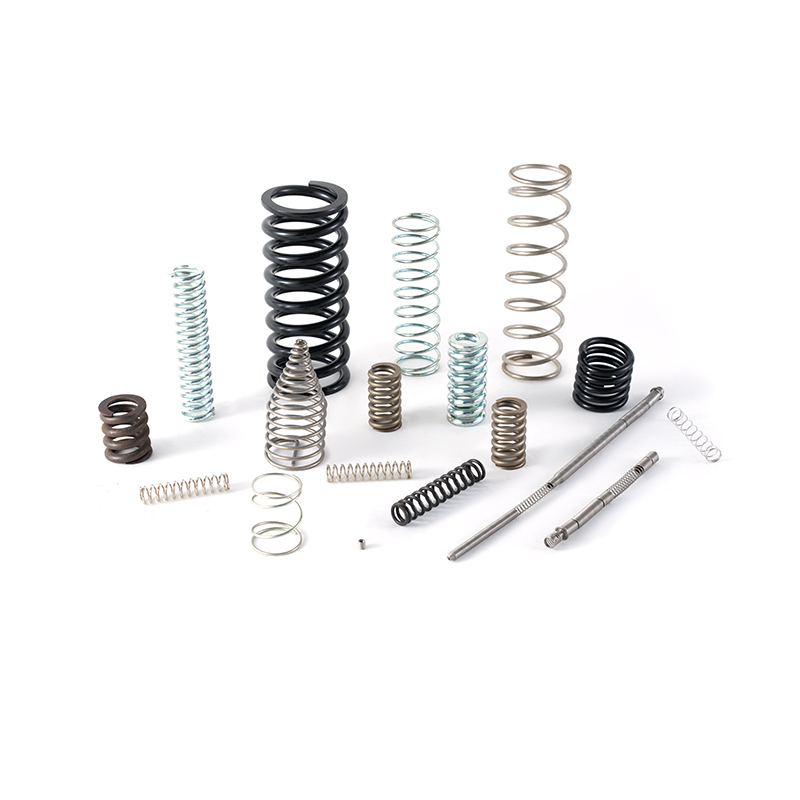
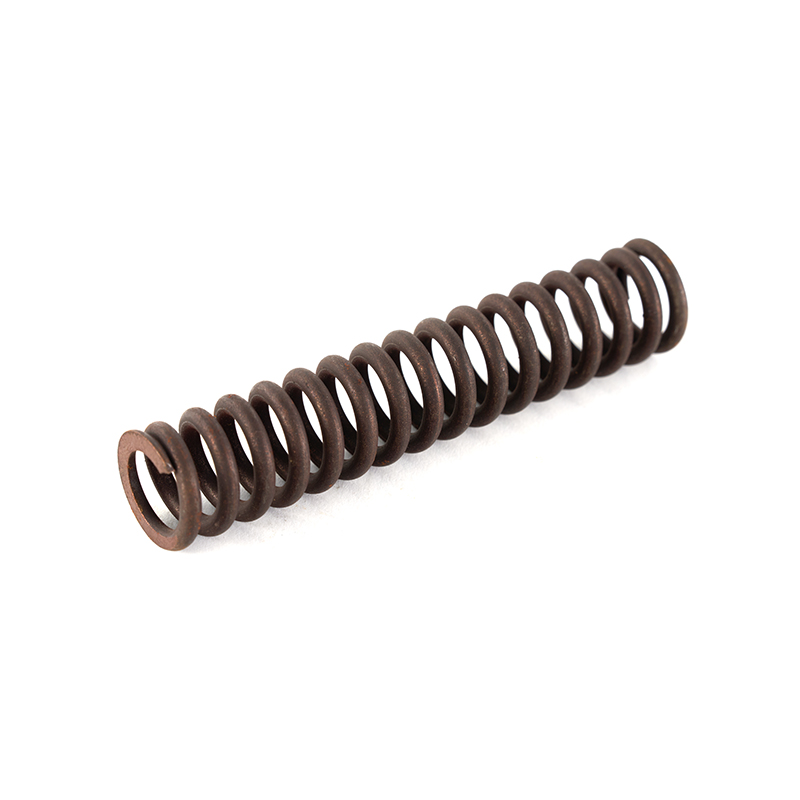
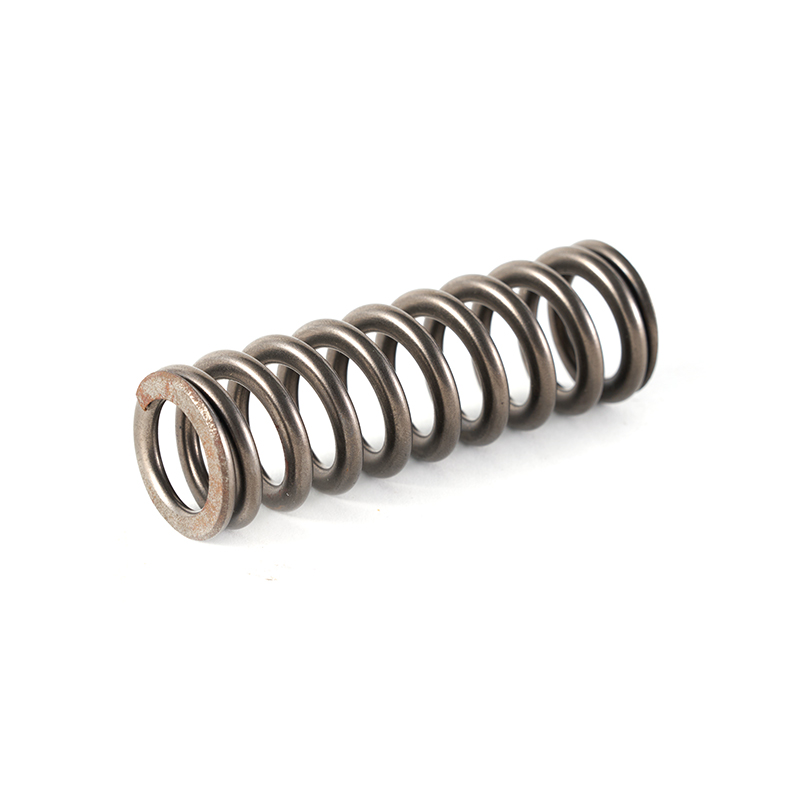
For manufacturers and buyers alike, understanding spring performance is now essential. Companies capable of producing reliable, precisely engineered components will continue attracting attention from international automotive markets. This is particularly true for businesses that focus on quality assurance and design innovation to support next-generation vehicles. With drivers prioritizing comfort, control, and safety, the relevance of advanced spring solutions will only continue to rise throughout the industry—further increasing the worldwide demand for Compression Spring products.

QUICK LINKS
PRODUCTS
If you have any questions, please get in touch with us.
Tel: +86-13626772101
WhatsApp: +86-13626772101
Add: Ningdeli Spring, Danxi First Industrial Zone, Danxi Town, Yueqing City, Zhejiang

Wholesale Springs Manufacturer