English
 中文简体
中文简体 русский
 Español
 Deutsch
ndl ndl ndl ndl ndl ndl ndl ndl ndl ndl ndl ndl ndl ndl ndl ndl
Flat Spiral Springs have become an essential component in modern mechanical and electronic devices due to their ability to store and release energy efficiently. These springs, also known as clock or power springs, are designed in a flat coiled shape, making them suitable for compact spaces where traditional coil springs may not fit. In the current industrial landscape, designers and engineers are increasingly exploring how these springs can improve mechanical performance in applications ranging from precision instruments to automotive systems. Alongside Flat Spiral Springs, Customized Stamping Parts and Precision Metal Clips play a critical role in ensuring that assembled devices function reliably and meet precise specifications. The interplay between these components determines not only the operational efficiency of machines but also their long-term durability and maintenance requirements. Industry searches and discussions often focus on how spring geometry, material selection, and assembly methods can affect device performance. This article explores the advantages, applications, and integration of Flat Spiral Springs, while also highlighting the complementary role of Customized Stamping Parts and Precision Metal Clips.
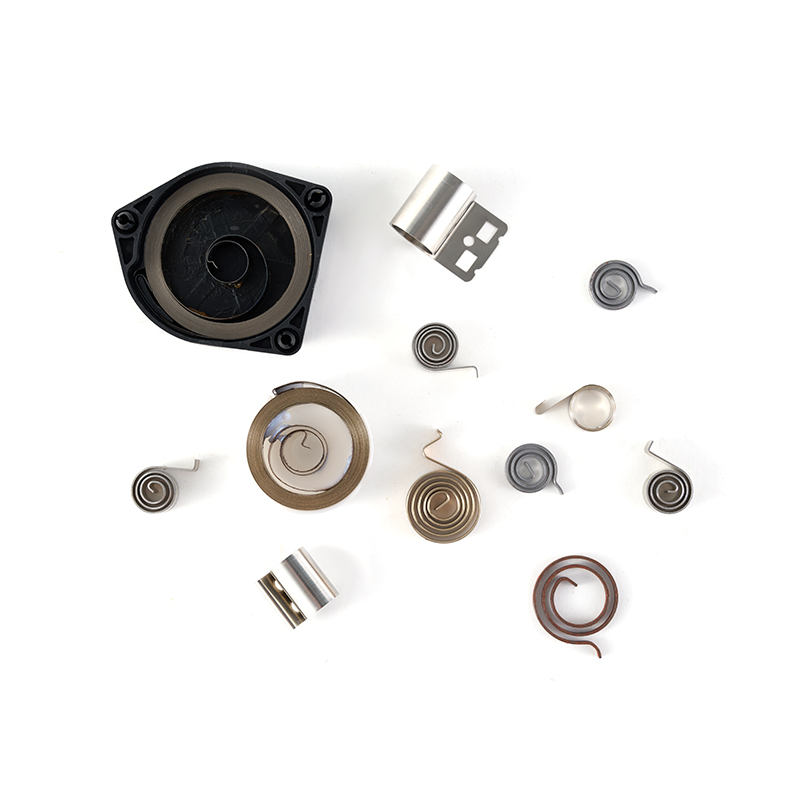
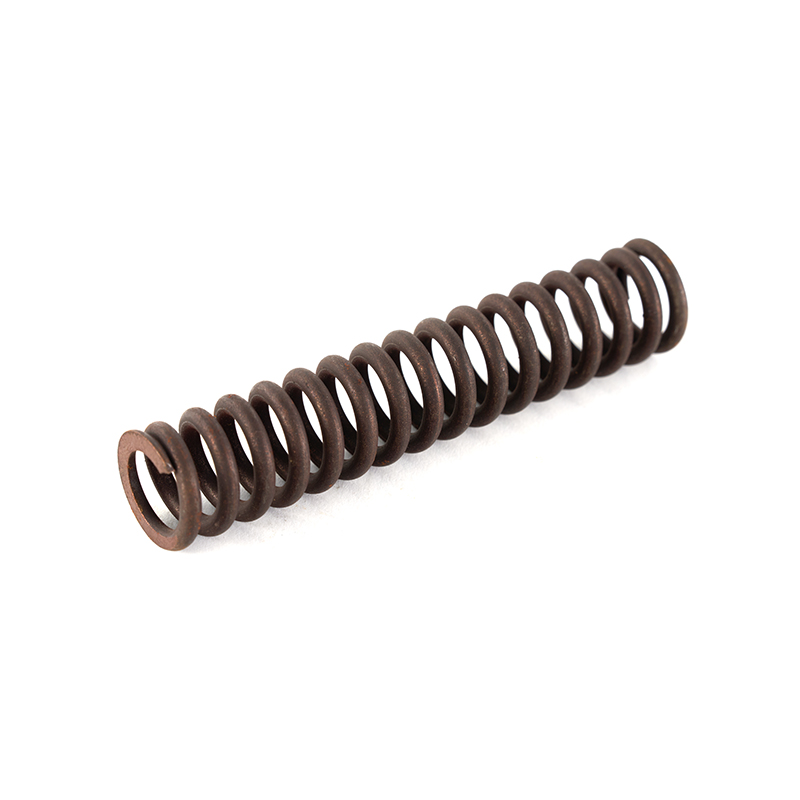
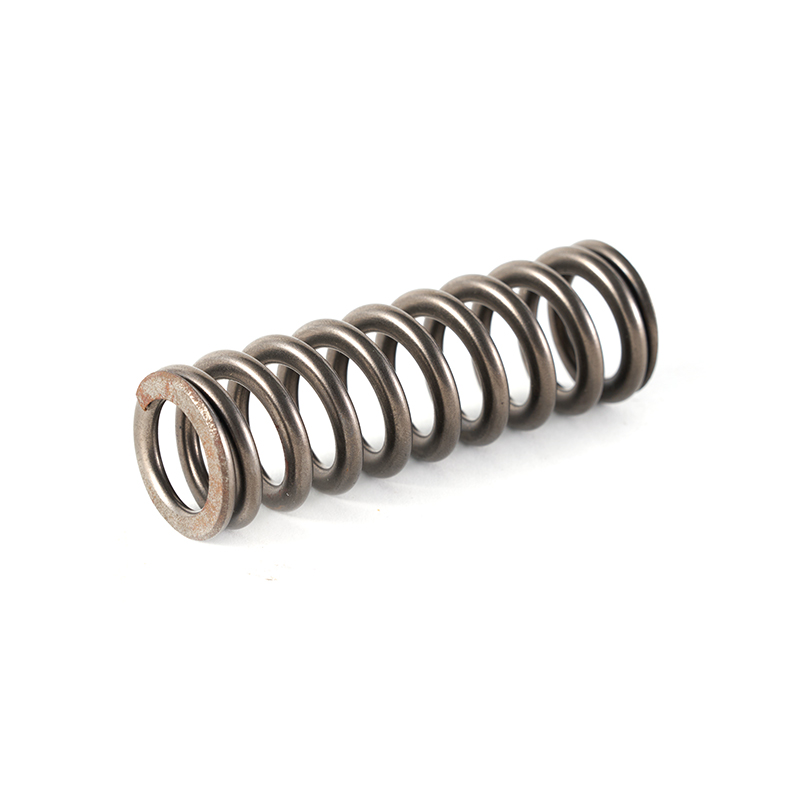
Flat Spiral Springs are designed to provide consistent torque and controlled energy release in a compact form factor. Their flat, coiled design allows them to store energy efficiently without occupying excessive space, which is a key factor in modern devices where size constraints are common. One of the main advantages of Flat Spiral Springs is their ability to maintain stable performance over numerous cycles of compression and expansion. This makes them suitable for precision instruments, automotive mechanisms, and small electronic devices. Material selection is critical, with high-quality steel alloys and corrosion-resistant coatings frequently used to enhance durability and fatigue resistance. Designers also pay attention to wire thickness, coil diameter, and stress-relief processing to achieve predictable energy output.
The versatility of Flat Spiral Springs allows them to be paired with Customized Stamping Parts, which provide structural support and alignment, ensuring the spring functions as intended within the device. In addition, Precision Metal Clips often secure the spring in place or facilitate electrical conductivity in electronic applications. Together, these components form an integrated system that enhances the mechanical performance of modern devices. Industry searches on Google often highlight concerns about spring fatigue, noise reduction, and compatibility with varying environmental conditions, such as temperature fluctuations and exposure to vibration.
Customized Stamping Parts are fabricated using precision stamping techniques that allow for complex shapes and tight tolerances. These components are widely used in applications where standard off-the-shelf parts do not meet performance requirements. Engineers and designers often search for Customized Stamping Parts that can accommodate specific load conditions, material preferences, and assembly constraints. The ability to tailor the geometry and material of these parts ensures that Flat Spiral Springs can operate efficiently within their designated space.
In industrial devices, Customized Stamping Parts often serve as mounting plates, spacers, or supports, providing stability and alignment for springs and other moving components. They can also reduce vibration and wear and help distribute forces evenly across mechanical assemblies. Combined with Precision Metal Clips, which hold components securely in place or provide electrical connectivity, Customized Stamping Parts form a foundational element in modern machinery. Discussions in the industry frequently revolve around design flexibility, production efficiency, and quality control measures that ensure consistency across batches of stamped parts. Google searches show that companies and engineers are particularly concerned with dimensional accuracy, material selection, and the adaptability of stamped components for different applications.
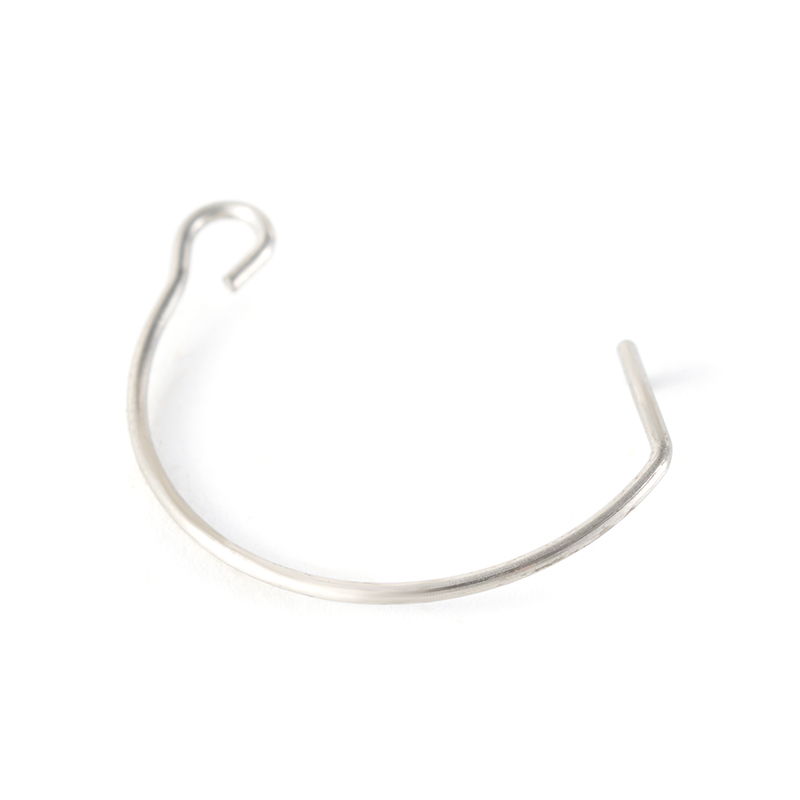
Precision Metal Clips serve multiple roles in modern devices, from securing components to facilitating electrical connections. These clips are manufactured with high precision to ensure that they fit ideally with Flat Spiral Springs and Customized Stamping Parts. Their design allows for reliable assembly, vibration resistance, and long-term durability. Applications range from electronic circuits to automotive mechanisms, where even slight misalignment can advance to operational issues or premature wear.
In combination with Flat Spiral Springs, Precision Metal Clips help maintain the spring's orientation and prevent slippage, which is particularly important in compact or dynamic assemblies. They also work in conjunction with Customized Stamping Parts to ensure that devices maintain structural integrity under repeated stress cycles. Industry discussions frequently focus on clip material, strength, and fatigue resistance, as these factors directly impact device reliability. Furthermore, engineers often search for solutions that have less assembly complexity while ensuring secure and repeatable connections.
The true strength of modern mechanical assemblies lies in the integration of Flat Spiral Springs, Customized Stamping Parts, and Precision Metal Clips. Each component complements the others, creating a system where energy transfer, load distribution, and component stability are optimized. For example, a Flat Spiral Spring may provide controlled torque in a compact device, while a Customized Stamping Part serves as a mounting base that aligns the spring and absorbs excess force. Precision Metal Clips then secure the assembly and may also serve as electrical connectors or provide additional vibration damping.
This integration is critical in applications such as automotive seat mechanisms, electronic instruments, and precision tools. Engineers often examine the compatibility of these components, paying attention to tolerances, stress limits, and material properties. Google search trends indicate that customers are particularly interested in how integrated assemblies affect device longevity, safety, and efficiency. Manufacturers and design engineers frequently share insights on improving energy efficiency, reducing component wear, and maintaining predictable performance over time.
Industry trends show increasing interest in micro-miniaturization, higher fatigue resistance, and precision manufacturing for Flat Spiral Springs, Customized Stamping Parts, and Precision Metal Clips. Engineers and designers are looking for components that support high cycle life, stable energy release, and consistent mechanical behavior under varying environmental conditions. Searches often explore advanced topics like material innovations, coating technologies, stress-relief treatments, and precise dimensional control. In addition, there is ongoing discussion about how these components can be adapted for new applications, including medical devices, wearable electronics, and compact automotive systems.
Manufacturers are also focusing on optimizing production techniques for these components. Automated coiling machines, precision stamping tools, and advanced forming equipment help maintain uniformity and reduce errors in large-scale production. Google search queries often include terms like "Flat Spiral Springs fatigue resistance," "Custom stamping tolerances," and "Precision Metal Clips assembly solutions," indicating a strong focus on reliability, performance, and integration potential.
Flat Spiral Springs, Customized Stamping Parts, and Precision Metal Clips play a crucial role in enhancing mechanical performance across a wide range of modern devices. By integrating these components effectively, manufacturers can ensure that their devices operate efficiently, reliably, and safely. The combination of high-precision springs, tailored stamped parts, and secure metal clips allows for energy-efficient, compact, and durable solutions suitable for electronics, automotive, and industrial applications. Understanding the interplay between these components is essential for engineers, designers, and product developers aiming to create devices that meet stringent performance requirements. As industry demand continues to grow for reliable, high-performance mechanical assemblies, the role of Flat Spiral Springs and their complementary components remains central to innovation and device longevity.

QUICK LINKS
PRODUCTS
If you have any questions, please get in touch with us.
Tel: +86-13626772101
WhatsApp: +86-13626772101
Add: Ningdeli Spring, Danxi First Industrial Zone, Danxi Town, Yueqing City, Zhejiang

Wholesale Springs Manufacturer