English
 中文简体
中文简体 русский
 Español
 Deutsch
ndl ndl ndl ndl ndl ndl ndl ndl ndl ndl ndl ndl ndl ndl ndl ndl
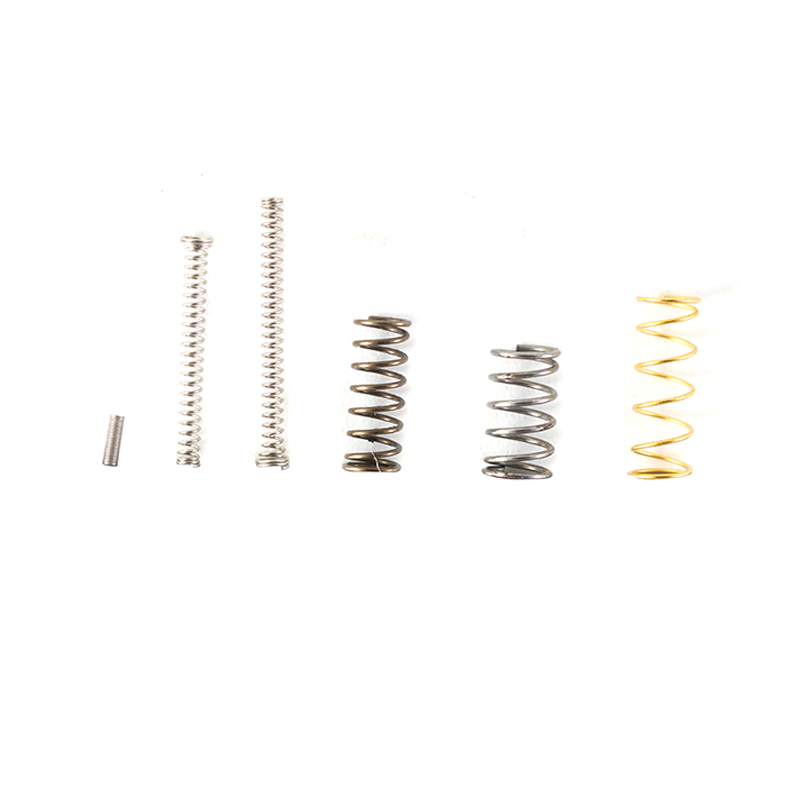
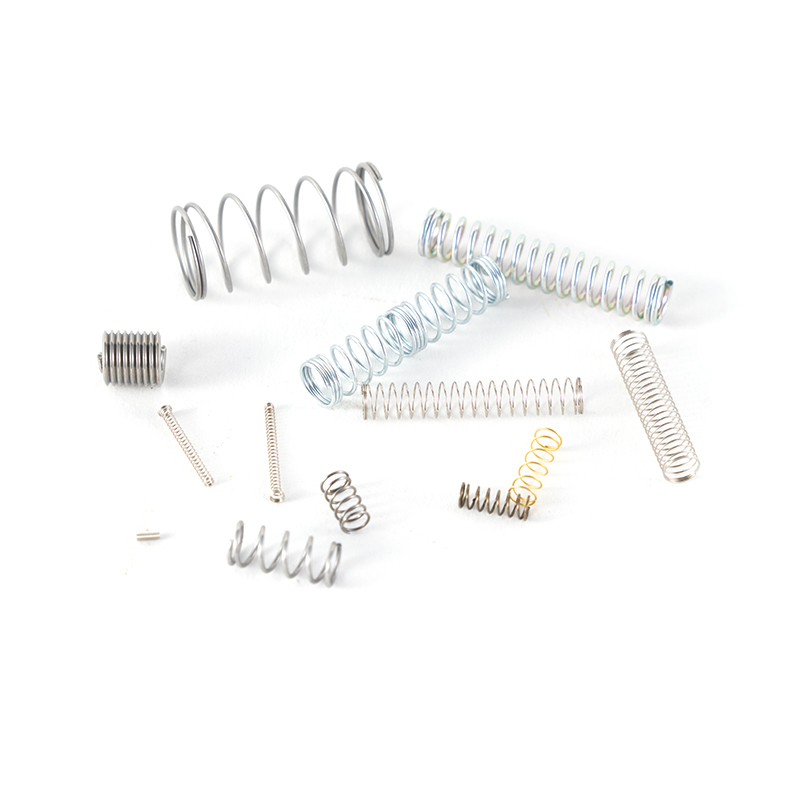
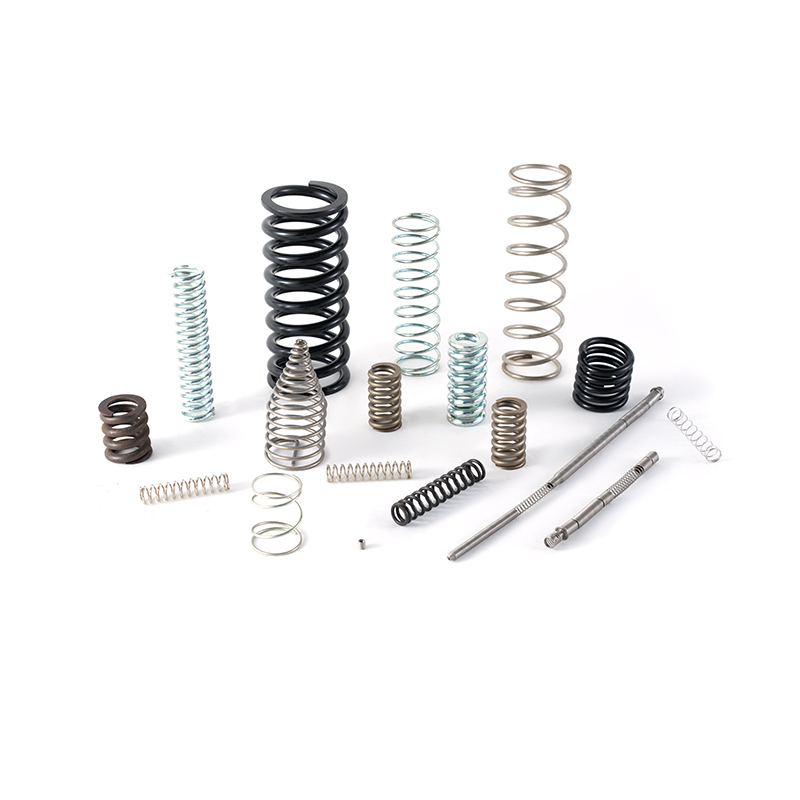
In recent years, the demand for compact and high-performance electronic devices has grown significantly. As electronics become smaller and more sophisticated, the role of precision components like springs has become increasingly important. Among these components, Miniature Torsion Springs for Electronics play a crucial role in ensuring smooth operation, reliability, and efficiency in miniaturized devices. Alongside other specialized springs such as Medical Micro Springs and Custom Metal Spring Assemblies, these components are vital for the functionality of modern electronic systems. This article explores the applications, design advantages, and market relevance of these precision springs.
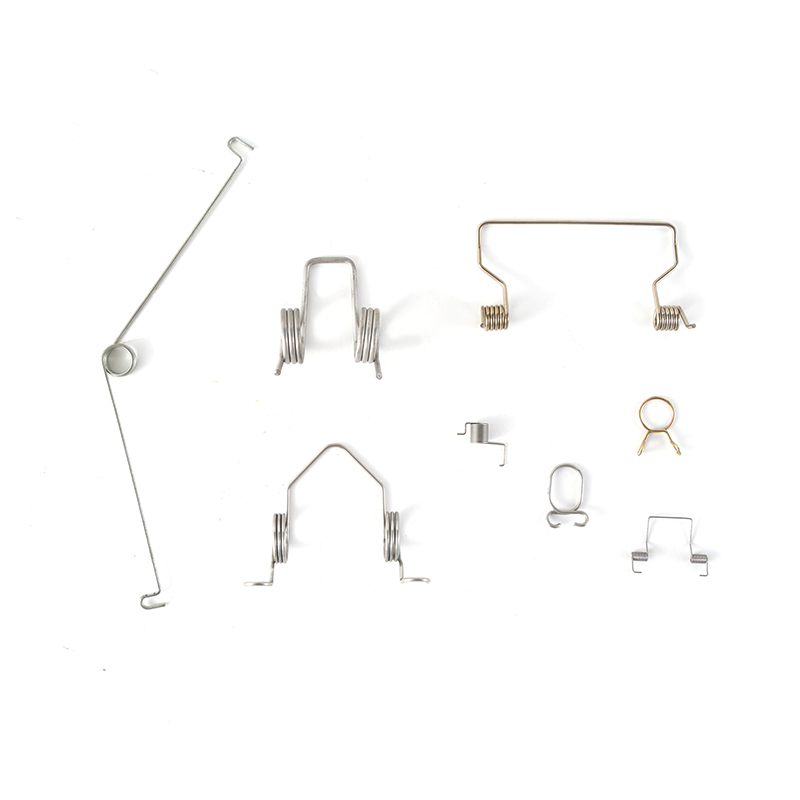
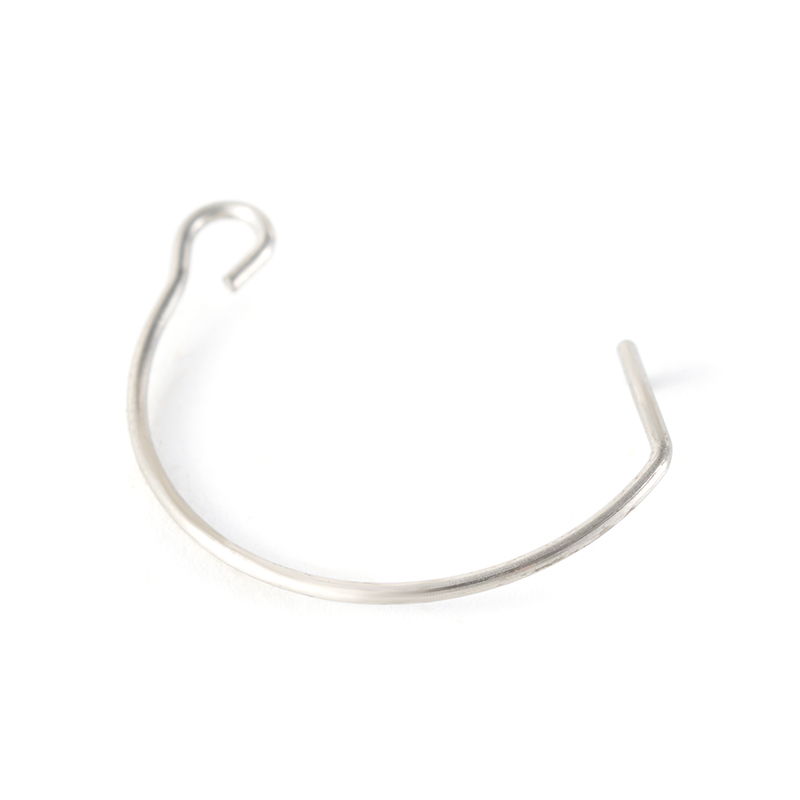
Miniature Torsion Springs for Electronics are commonly used in devices where space is limited but precision and resilience are required. These small springs are designed to provide controlled rotational force, making them suitable for a wide range of electronic applications. They can be found in miniature switches, micro motors, sensors, connectors, and various mechanical assemblies in consumer electronics.
In addition, these springs are essential in medical devices where compact and reliable components are critical. For instance, Medical Micro Springs are often used in surgical instruments, diagnostic equipment, and wearable medical devices. The combination of Miniature Torsion Springs for Electronics and Medical Micro Springs allows engineers to develop devices that are both lightweight and reliable, meeting strict industry standards for safety and performance.
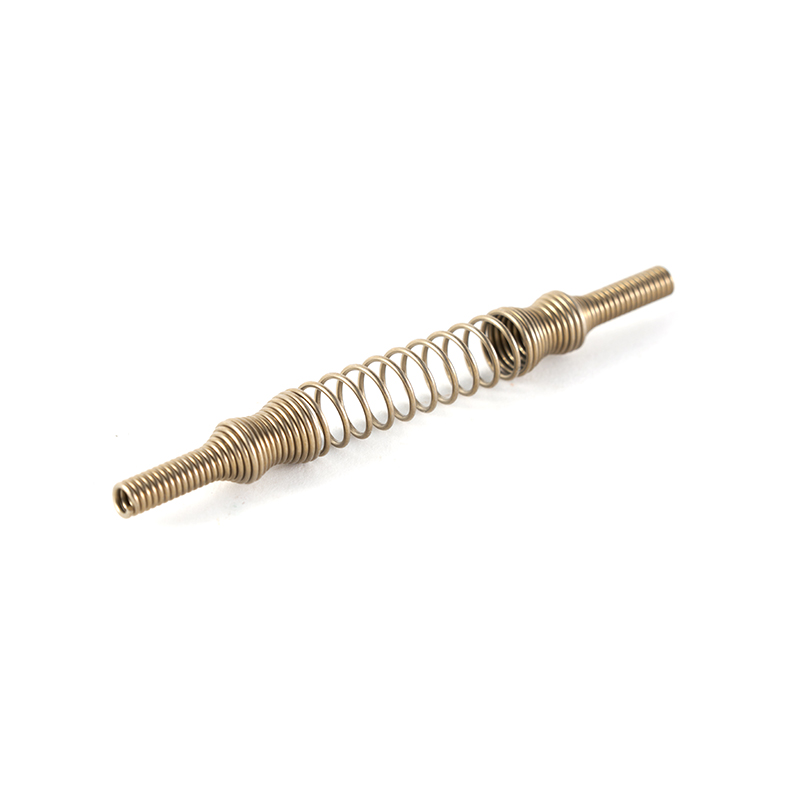
Furthermore, when multiple springs are required to work together in an assembly, Custom Metal Spring Assemblies provide a tailored solution. By combining different spring types, designers can optimize mechanical performance and reduce assembly complexity, ensuring consistent operation across a range of electronic applications.
The design of Miniature Torsion Springs for Electronics focuses on precision, consistency, and durability. These springs are typically made from high-quality metal alloys to withstand repeated cycles without losing mechanical properties. Their small size does not compromise strength, and careful engineering ensures the spring applies the correct torque within tight tolerances.
Medical Micro Springs share similar design principles, emphasizing both precision and biocompatibility where necessary. In devices such as micro-pumps or implantable equipment, the material selection, coil consistency, and torsion control are critical for reliable performance.
Custom Metal Spring Assemblies allow for complex configurations in which multiple springs with different characteristics are combined. This approach not only improves the mechanical behavior of a system but also simplifies installation and reduces the risk of component misalignment. By offering tailored assemblies, manufacturers can meet unique device requirements and support innovative design solutions in both medical and electronic applications.
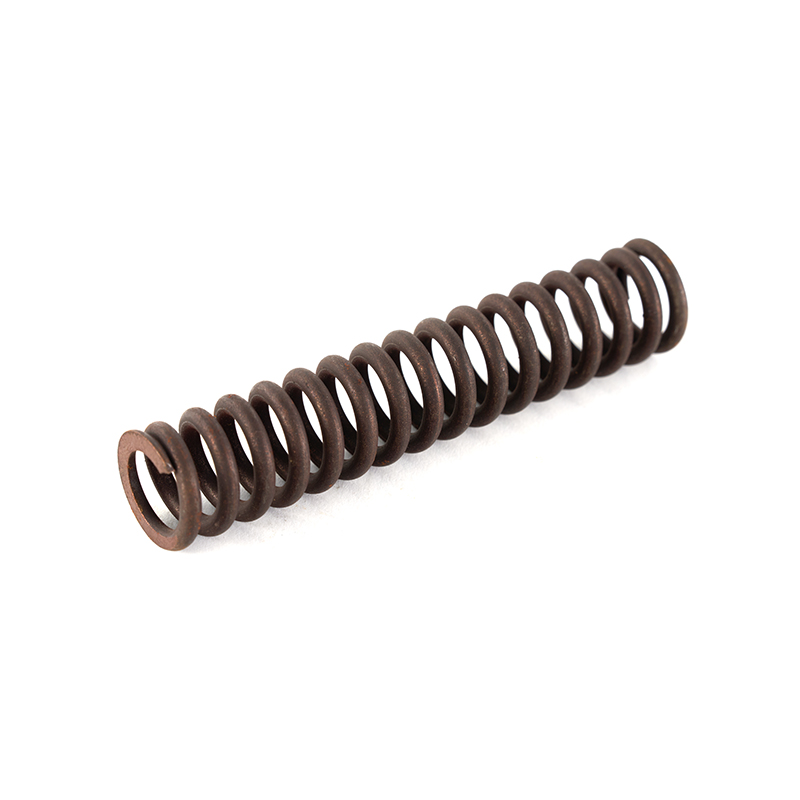
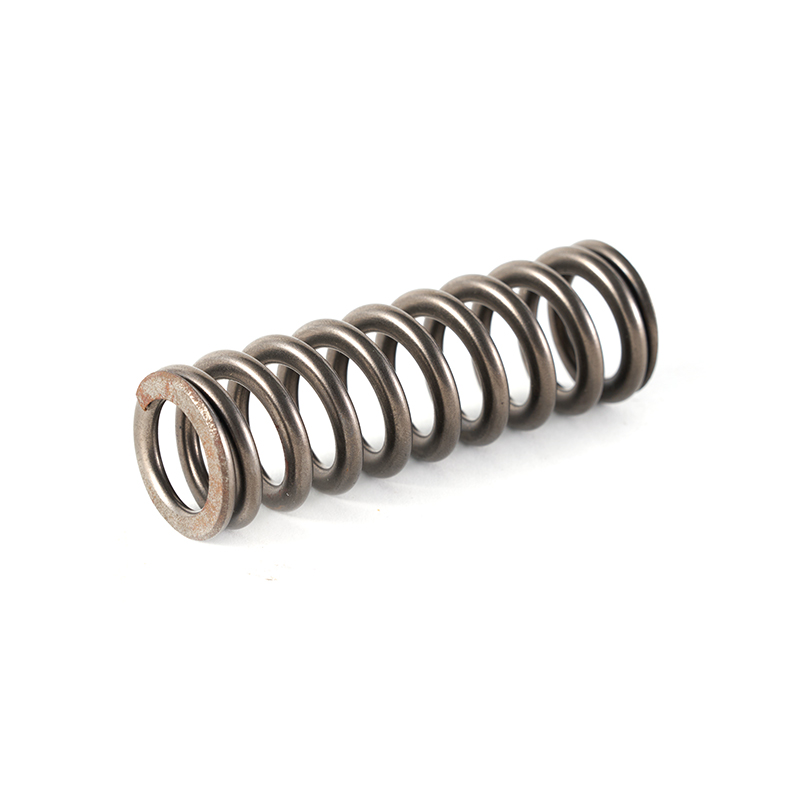
While standard compression and extension springs are widely used across industries, Miniature Torsion Springs for Electronics provide a specific advantage in rotational or angular applications. Unlike compression springs that act linearly, torsion springs apply torque, making them suitable for hinges, levers, and rotational mechanisms in miniature devices.
In medical applications, Medical Micro Springs often complement torsion springs, providing precision movement or force in small-scale mechanisms. On the other hand, Custom Metal Spring Assemblies integrate different spring types into a single solution, allowing designers to achieve complex mechanical functions without increasing component count. This combination of specialized springs enables devices to operate reliably in environments where precision and space are both limited.
The push toward miniaturization in electronics has significantly increased the demand for high-precision spring components. Devices such as compact cameras, wearable electronics, hearing aids, and medical diagnostic tools require springs that are small, durable, and capable of delivering consistent performance.
In the medical sector, the need for Medical Micro Springs has risen as devices become more portable and less invasive. These springs must not only perform reliably but also meet stringent quality and safety standards. Miniature Torsion Springs for Electronics play a complementary role, ensuring that small mechanical components function efficiently without taking up excessive space.
Similarly, the need for Custom Metal Spring Assemblies has grown, particularly in applications where multiple spring functions are required in a compact form. By combining springs with different characteristics into a single assembly, manufacturers can reduce assembly time and improve overall device performance. The ability to offer customized solutions for unique applications is increasingly important in both the electronics and medical industries.
Several practical examples highlight the importance of these specialized springs. In a compact electronic sensor, Miniature Torsion Springs for Electronics provide the necessary torque to activate tiny levers, ensuring accurate signal transmission. In the same device, Custom Metal Spring Assemblies may integrate multiple springs to control different mechanisms simultaneously, maintaining consistent performance throughout the product's lifecycle.
In medical devices, Medical Micro Springs are used in micro-valves and dosing pumps, providing precise mechanical action that supports critical patient care functions. When combined with Miniature Torsion Springs for Electronics, these devices benefit from both rotational force control and linear spring action, achieving higher functionality in a smaller footprint.
These examples demonstrate how high-precision spring components contribute directly to device efficiency, reliability, and usability. By selecting the right combination of spring types, engineers can optimize mechanical performance while maintaining compact design requirements.
Innovations in materials and manufacturing processes have further enhanced the capabilities of Miniature Torsion Springs for Electronics, Medical Micro Springs, and Custom Metal Spring Assemblies. Advances in high-strength alloys, corrosion-resistant coatings, and precision winding techniques have allowed these springs to withstand longer cycles and harsher operating conditions.
Additionally, computer-aided design and simulation tools enable engineers to test spring performance virtually before production. This approach reduces prototyping costs and ensures that the final product meets strict tolerance requirements. The combination of advanced materials, precision engineering, and modern manufacturing technologies ensures that these springs continue to meet the growing demands of miniaturized electronic and medical devices.
As electronic and medical devices continue to shrink in size and increase in functionality, precision spring components become increasingly vital. Miniature Torsion Springs for Electronics enable rotational motion in compact mechanisms, while Medical Micro Springs provide precise movement for critical healthcare applications. When multiple springs need to function together, Custom Metal Spring Assemblies offer tailored solutions that simplify assembly and enhance performance.
By understanding the applications, design advantages, and industry trends of these specialized springs, engineers and manufacturers can develop devices that are both compact and reliable. The role of precision spring technology in miniaturized electronics and medical devices underscores the importance of selecting the right components to improve efficiency, performance, and overall user experience.

QUICK LINKS
PRODUCTS
If you have any questions, please get in touch with us.
Tel: +86-13626772101
WhatsApp: +86-13626772101
Add: Ningdeli Spring, Danxi First Industrial Zone, Danxi Town, Yueqing City, Zhejiang

Wholesale Springs Manufacturer