English
 中文简体
中文简体 русский
 Español
 Deutsch
ndl ndl ndl ndl ndl ndl ndl ndl ndl ndl ndl ndl ndl ndl ndl ndl
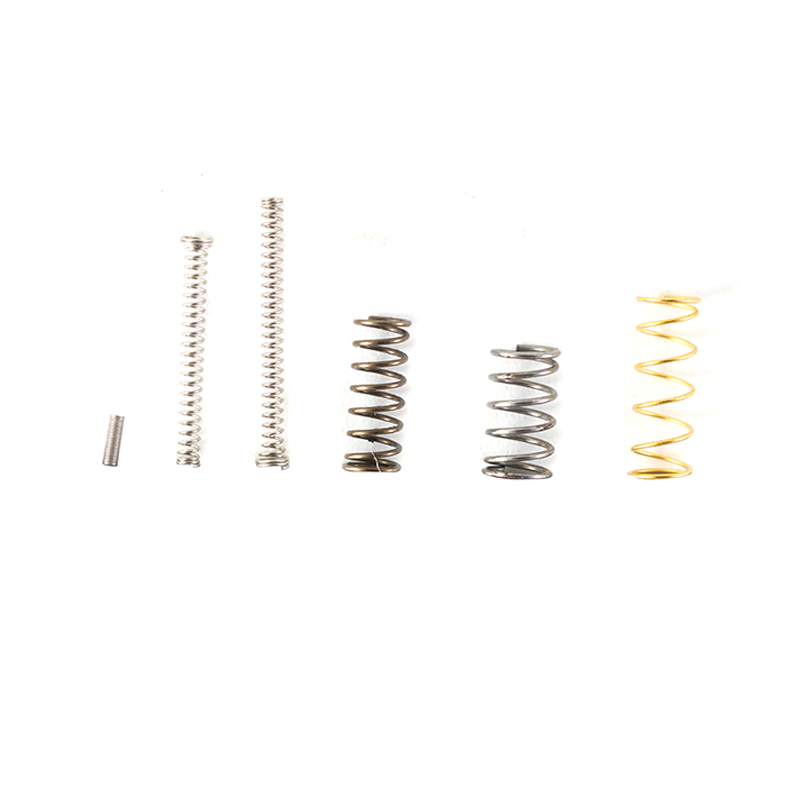
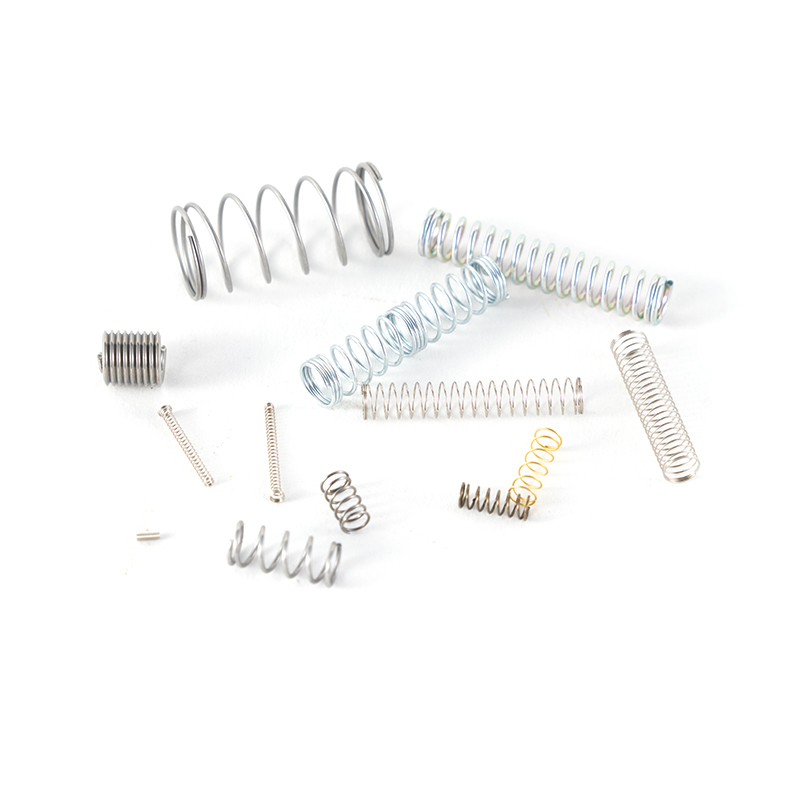
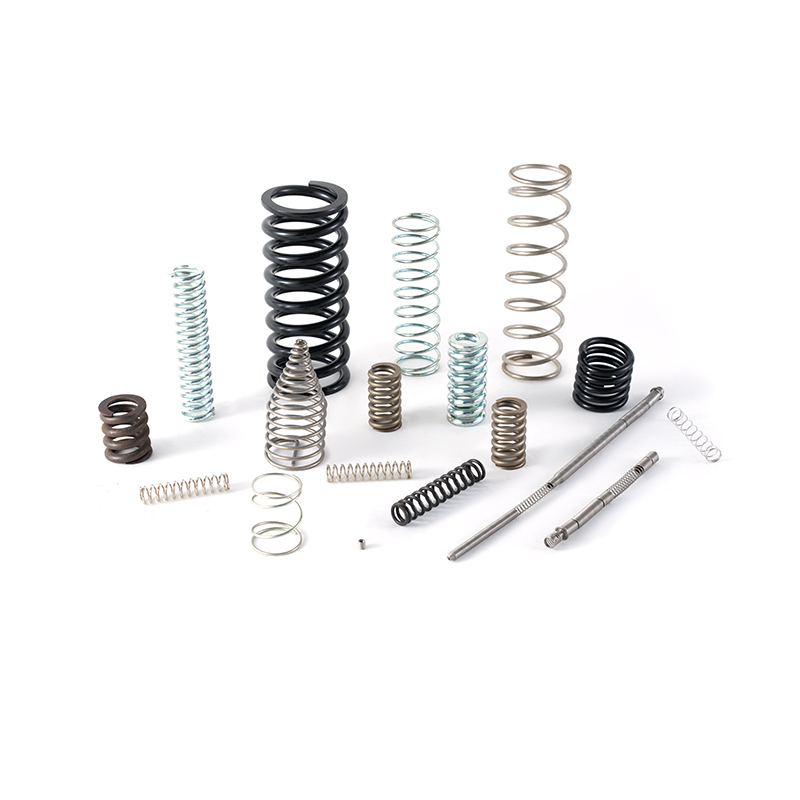
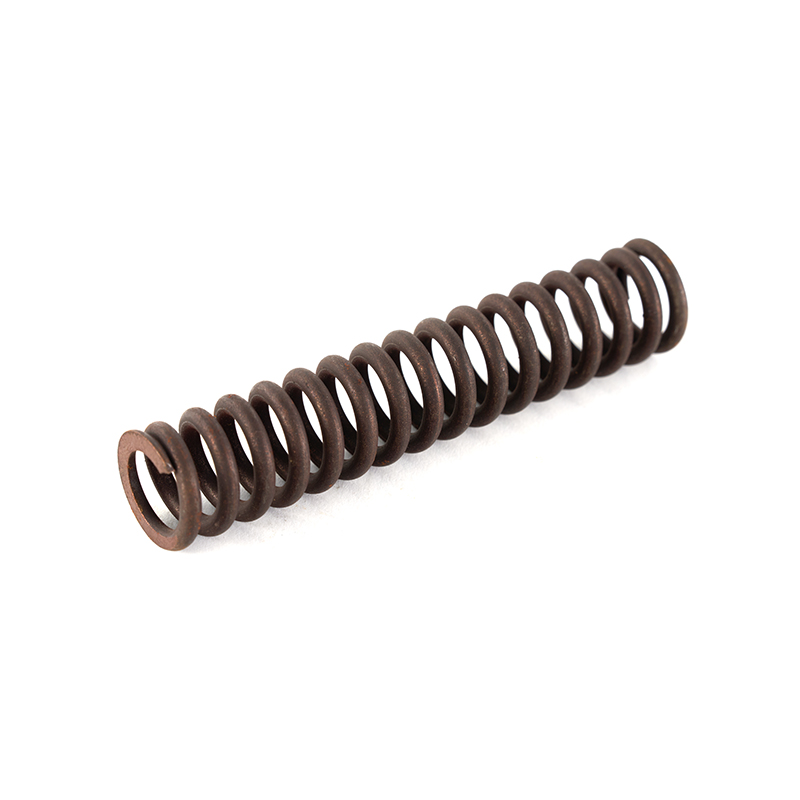
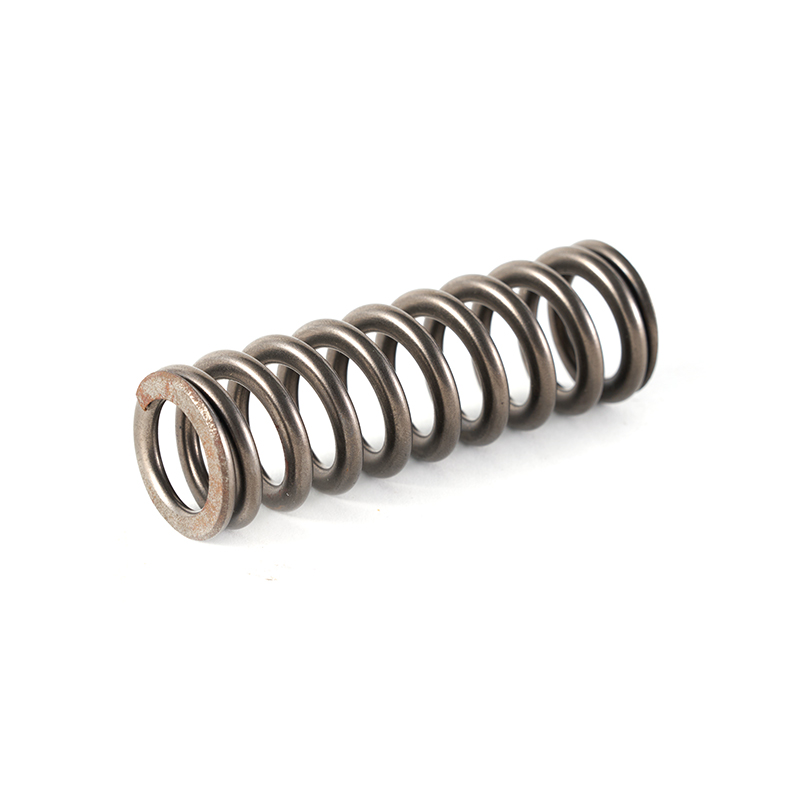
There's a small metal spring inside almost every retractable pen, and most people click it a hundred times before ever wondering how it snaps back so reliably. That quiet reliability is basically the whole point of Precision Compression Springs — they're built to provide controlled force during compression, helping mechanical systems manage movement, pressure, and repeated use without anyone having to think about them. Springs look almost too simple to matter. A coiled piece of wire, nothing flashy. But inside working equipment they carry more weight than their size suggests. They store energy, release it on cue, hold moving parts in place, and keep mechanical actions steady through thousands of cycles. Get the match wrong and a device starts feeling loose, sluggish, or unpredictable in ways that are hard to trace back to a single cause. Engineers and designers who understand how these springs actually behave tend to make fewer costly guesses when picking components for a new build.
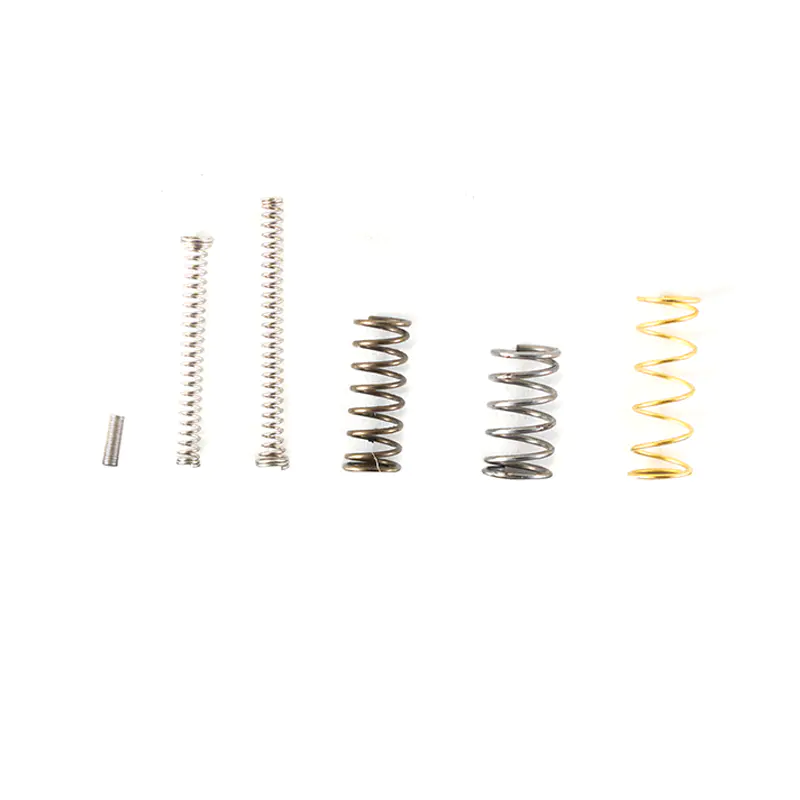
Compression springs step in whenever a system needs support during movement. Push on one, and it absorbs that energy into its coils. Ease off, and it releases what it stored, pushing back toward its original shape.
That back-and-forth sounds almost too basic to be useful, yet it powers several distinct functions inside real equipment:
Most springs never get noticed doing this work. They sit inside a housing, doing their job quietly, letting other parts move the way they're supposed to without some complicated mechanism doing the same thing.
Precision Compression Springs follow this same core idea, just with tighter tolerances. Where a generic spring might work "well enough," a precision one gets built for consistency — same response, same feel, cycle after cycle, which matters a lot more than it sounds like it should once a product ships to thousands of users.
A spring reacts to whatever force gets applied to it. Push a load against it, and the coils compress closer together, storing energy in that tighter arrangement. Let the force off, and the spring pushes back, moving whatever it's connected to.
Think about a mechanical light switch, or the click of a car door handle, or a button on an old-school remote. Press it down, the spring compresses. Let go, it springs the button back up. Nothing complicated about the concept — the value is in how predictable that motion stays after the ten-thousandth press, not just the first one.
Precision Compression Springs get chosen specifically for that predictability. Anyone can build a spring that compresses once. Building one that behaves the same way after years of daily use takes a lot more attention to detail.
Small changes in a spring's shape, coil spacing, or material can shift how it responds under load in ways that aren't always obvious until the part's already failing in the field.
A few things that quietly matter:
A spring meant for a compact device faces different constraints than one bound for a large industrial machine. Space, load, and expected lifespan all pull the design in different directions, and Precision Compression Springs get engineered with those tradeoffs in mind rather than treated as an afterthought.
Most mechanical systems don't compress a spring once and call it done — they do it over and over, sometimes thousands of times a day depending on the application. That repetition is where a lot of springs start to show weakness: uneven movement, fatigue, a gradual loss of the snap they had when new.
You'll find compression springs doing this kind of repeated work across a wide range of equipment — mechanical devices, control systems, industrial tools, even everyday consumer products people don't think twice about. Anywhere something needs to move back and forth reliably, a spring is probably involved somewhere.
Precision Compression Springs tend to get specified when that reliability can't be left to chance — when a system genuinely needs the same response on cycle ten thousand as it had on cycle one.
Picking a spring means thinking about more than the part itself. It has to work inside a specific environment, alongside other components, under a specific set of conditions.
Worth thinking through before locking in a choice:
A spring rarely fails on its own merits — it usually fails because it wasn't matched well to what surrounds it. Buyers who look at the whole system, not just the component in isolation, tend to end up with far fewer surprises later.
Not every spring needs to be precision-grade. Plenty of applications do fine with a standard spring that just does the basic job without much fuss.
The real difference shows up in intent. A standard spring gets built for general use — reasonably reliable, reasonably consistent, good enough for most situations. A precision compression spring gets built with tighter control over movement and behavior, meant for situations where "good enough" isn't actually good enough.
Choosing between the two comes down to what the equipment demands. A simple mechanism might never notice the difference. A system that depends on tight tolerances and repeatable motion probably will.
Mechanical movement exists almost everywhere, so it's no surprise Precision Compression Springs turn up across a wide range of industries — industrial machinery, electronics, automotive parts, medical devices, mechanical tools of all kinds.
Each field asks something slightly different of them. Some need a spring purely for support. Others need it to control motion precisely or keep two components pressed against each other without gaps forming. The design itself is flexible enough to bend toward whatever the application actually requires.
Choosing a spring shouldn't come down to size or how it looks in a catalog. A few questions tend to clear things up fast:
Where exactly will this spring be used? What kind of movement does the job actually call for? How often will it cycle through compression and release? How does it need to connect with the parts around it?
Answering these honestly, before ordering anything, saves a lot of trouble later. Talking directly with engineers or suppliers about the specific application often surfaces details a spec sheet alone won't show.
A mechanical system only works as well as its components work together. Even something as unassuming as a spring can shift how the entire assembly behaves. Precision Compression Springs manage force, support movement, and hold parts in the right relationship to each other. Nobody notices them when they're doing their job well — which is sort of the point. Understanding how they behave, and matching that behavior to the application at hand, is what separates a system that runs smoothly for years from one that starts acting up after a few months. Get that relationship right, and movement, support, and repeated operation all just work together the way they're supposed to — quietly, cycle after cycle, without anyone having to think about it.

QUICK LINKS
PRODUCTS
If you have any questions, please get in touch with us.
Tel: +86-13626772101
WhatsApp: +86-13626772101
Add: Ningdeli Spring, Danxi First Industrial Zone, Danxi Town, Yueqing City, Zhejiang

Wholesale Springs Manufacturer