English
 中文简体
中文简体 русский
 Español
 Deutsch
ndl ndl ndl ndl ndl ndl ndl ndl ndl ndl ndl ndl ndl ndl ndl ndl
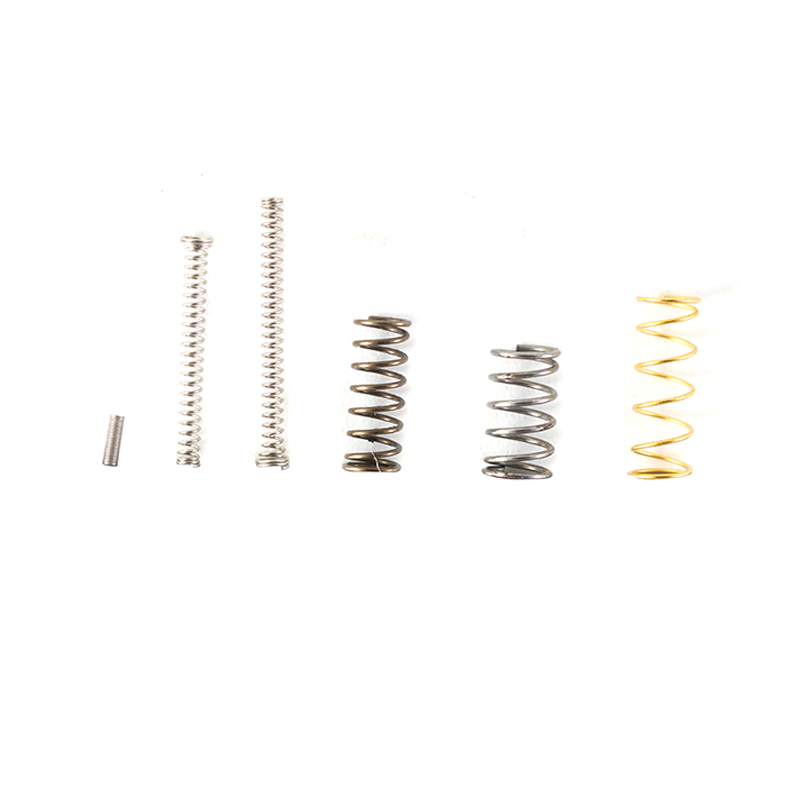
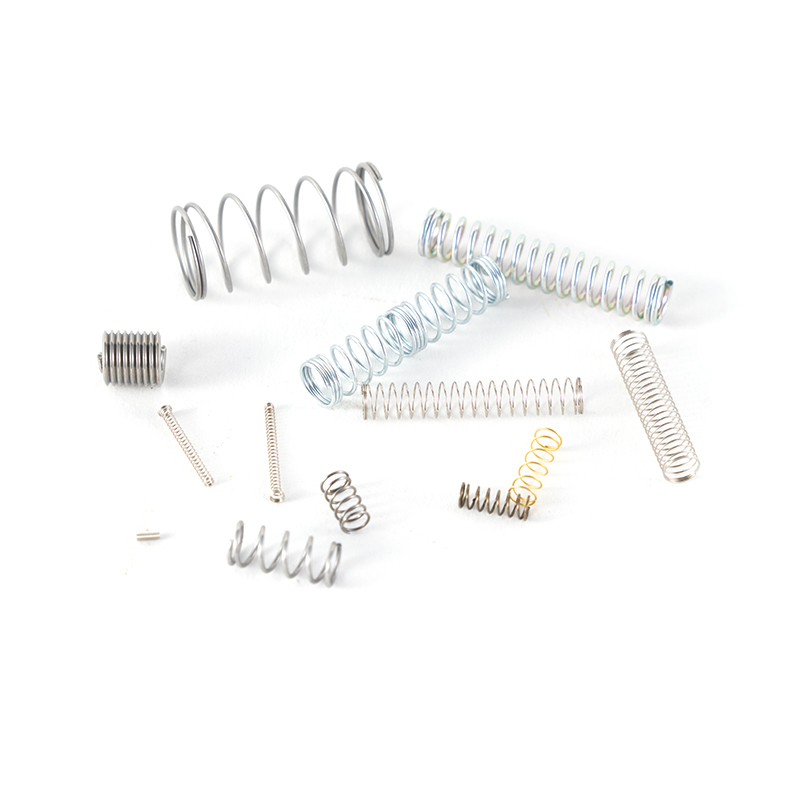
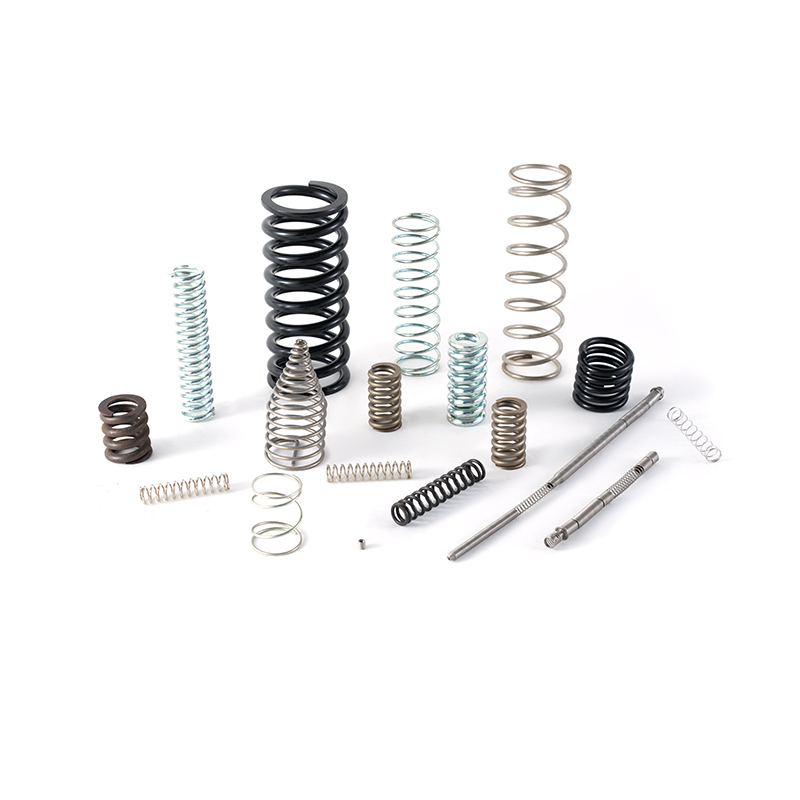
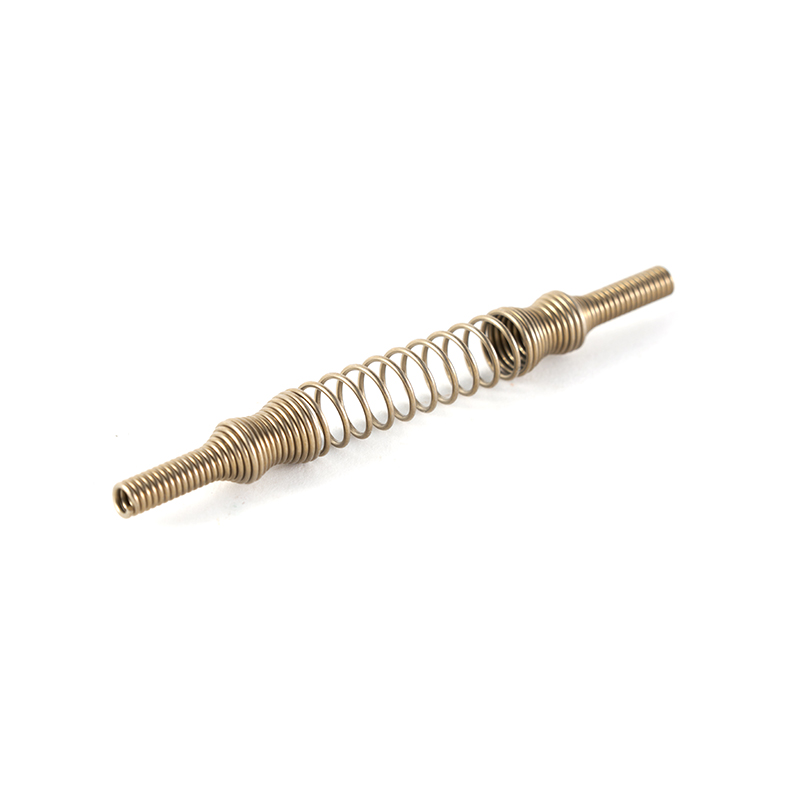
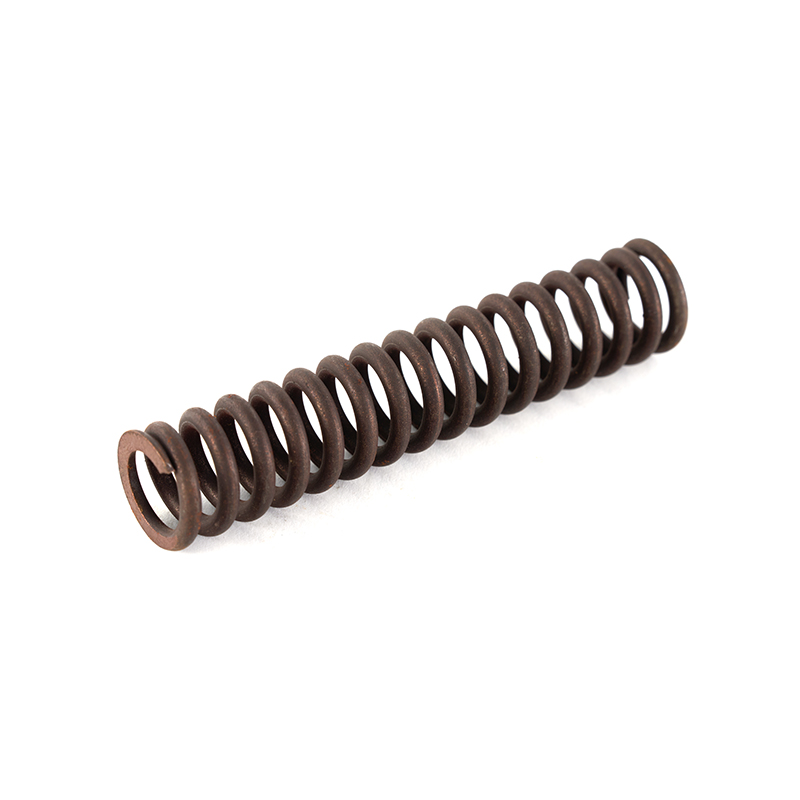
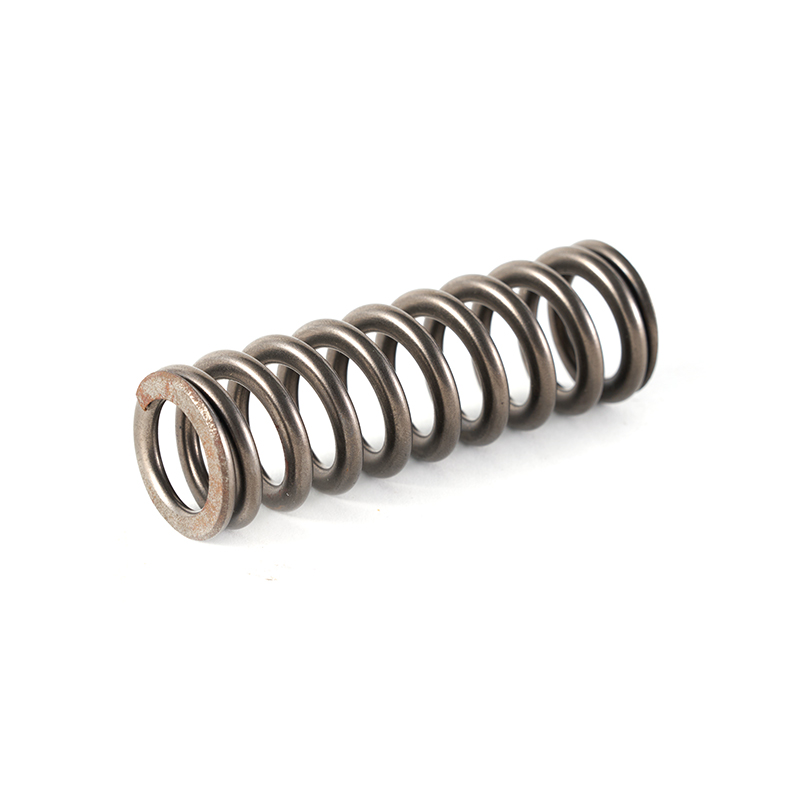
In recent years, more manufacturers, engineers, and automotive specialists have turned their attention to the evolving performance of Automotive Spring technology as well as the enhanced reliability of Compression Spring designs. Discussions across overseas industry communities reveal a growing curiosity about how these components influence driving comfort, system efficiency, and long-term mechanical stability. As global manufacturing continues to shift toward smarter production systems, the demand for springs with consistently refined structural qualities has been steadily increasing.
One of the most noticeable trends in online technical forums and industrial channels is the interest in new materials. Manufacturers are exploring improved metal compositions to deliver springs with better resilience in complex environments. This trend is not limited to high-end vehicles—commercial and industrial transport manufacturers are also paying close attention. The shift shows a general desire for components that can adapt to modern mechanical expectations without compromising durability.
The push for diverse material solutions is further fueled by the global focus on sustainability. More users want to understand how springs can contribute to systems that operate efficiently with less waste. As a result, discussions surrounding eco-aligned production methods are now common among professionals purchasing or designing spring systems.
Another strong conversation driver relates to precision engineering. Social media posts from mechanical specialists and automotive bloggers frequently highlight how small structural adjustments can significantly influence spring behavior. Whether used in suspension systems, braking solutions, or engine-related assemblies, the precise accuracy of spring dimensions and tension levels directly affects a vehicle’s performance.
This growing interest is partially due to the spread of digital manufacturing technologies. Engineers today have access to design simulations that visualize spring performance before production begins. Such tools allow companies to optimize tension, shape, and stress resistance, promoting a higher level of component consistency.
A noticeable shift across global manufacturing involves integrating automation into spring-making processes. Overseas industry news regularly features discussions about robotic coilers, digital measuring systems, and automated quality-inspection procedures. These tools not only improve production stability but also help reduce errors during the shaping of high-precision springs.
Automation also supports large-scale customization, a topic widely discussed among procurement specialists. Customers today often want springs designed for unique load requirements, structural sizes, or operating conditions. Automated production lines make it easier to deliver consistent made-to-order components without lengthy delays.
As automotive technology becomes increasingly sophisticated, interest in safety-related testing has risen. Industry publications show consistent attention on fatigue testing, load verification, and environmental resistance simulation. Springs must withstand various mechanical stresses—temperature shifts, vibration, and repeated compression cycles—especially in vehicles operating under demanding conditions.
With more users emphasizing long-term reliability, testing procedures have become a major part of purchasing decisions. This shift is especially visible in overseas markets where customers prioritize verified performance as much as the design itself.
Drivers and manufacturers alike want smoother vehicle operation and reliable response across different driving conditions. As expectations evolve, companies producing springs must stay aligned with market conversations. Many overseas buyers express interest in springs that balance stability and flexibility while maintaining structural integrity over extended usage periods.
Innovations shared through social media, online exhibitions, and professional discussion groups reveal a clear message: the market is leaning toward advanced engineering, stronger design adaptability, and improved quality assurance. Companies that respond to these expectations are more likely to stand out in international procurement markets.
From precision machining to enhanced material solutions, the spring industry is undergoing a meaningful transformation. Buyers across the automotive sector want components that offer reliability, structural consistency, and efficient performance under various conditions. As technological advancements continue shaping global manufacturing, both Automotive Spring and Compression Spring products remain central to discussions about future-ready vehicle systems and innovative mechanical design.

QUICK LINKS
PRODUCTS
If you have any questions, please get in touch with us.
Tel: +86-13626772101
WhatsApp: +86-13626772101
Add: Ningdeli Spring, Danxi First Industrial Zone, Danxi Town, Yueqing City, Zhejiang

Wholesale Springs Manufacturer