English
 中文简体
中文简体 русский
 Español
 Deutsch
ndl ndl ndl ndl ndl ndl ndl ndl ndl ndl ndl ndl ndl ndl ndl ndl
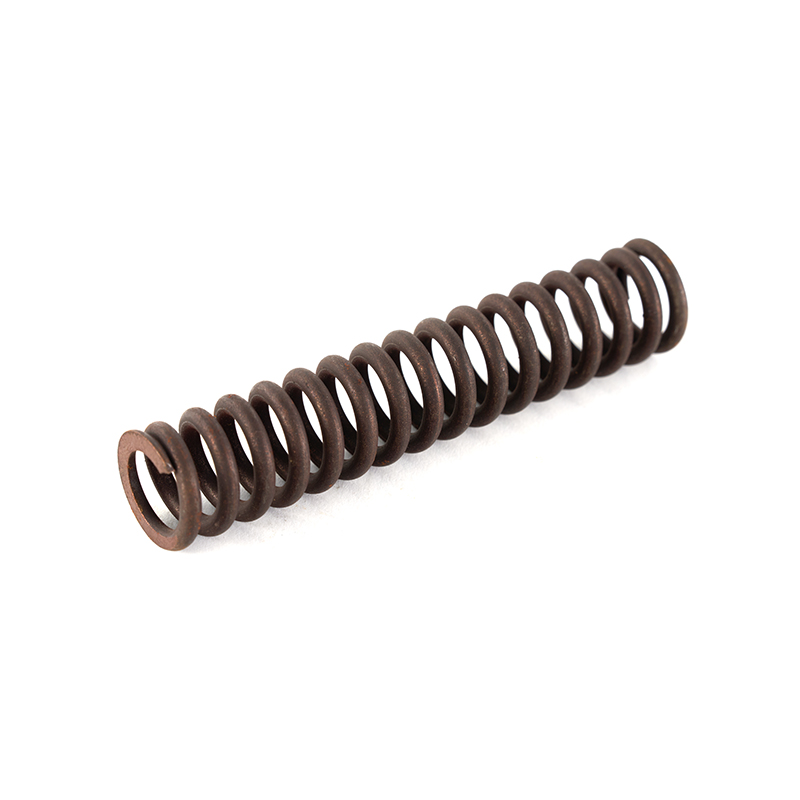
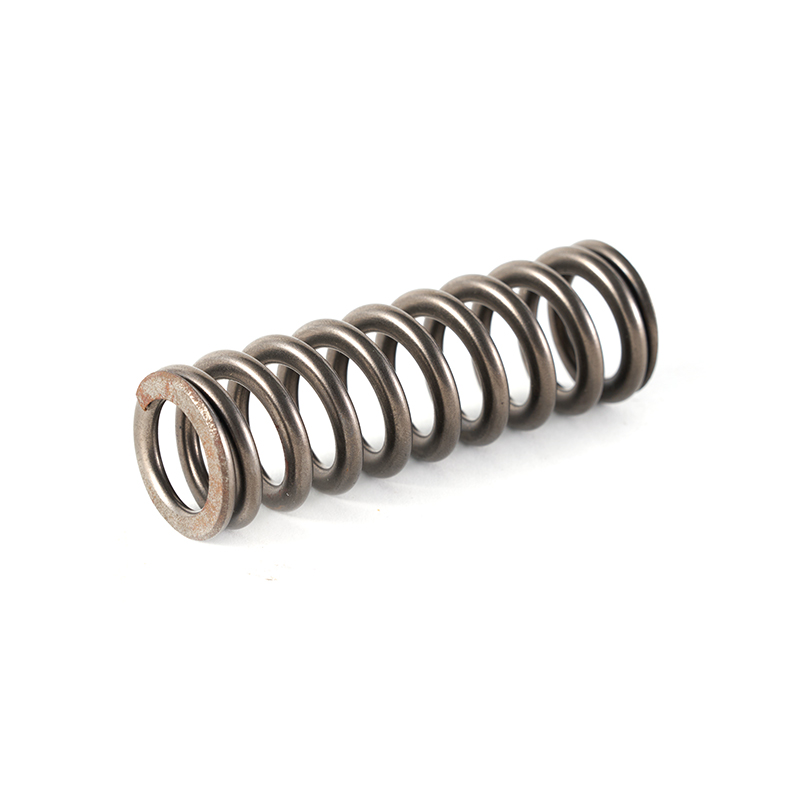
As vehicle engineering continues to evolve across global markets, many automotive manufacturers and repair industries are placing new attention on core mechanical components such as the Automotive Spring and the Compression Spring. These parts, although often hidden within suspension systems, braking structures, and interior mechanisms, have become a significant point of discussion due to rising expectations in driving comfort, durability, and reliability. With social platforms highlighting “vehicle longevity,” “smart driving upgrades,” and “eco-friendly component choices,” these springs are now seen not only as traditional mechanical parts but key contributors to performance stability.
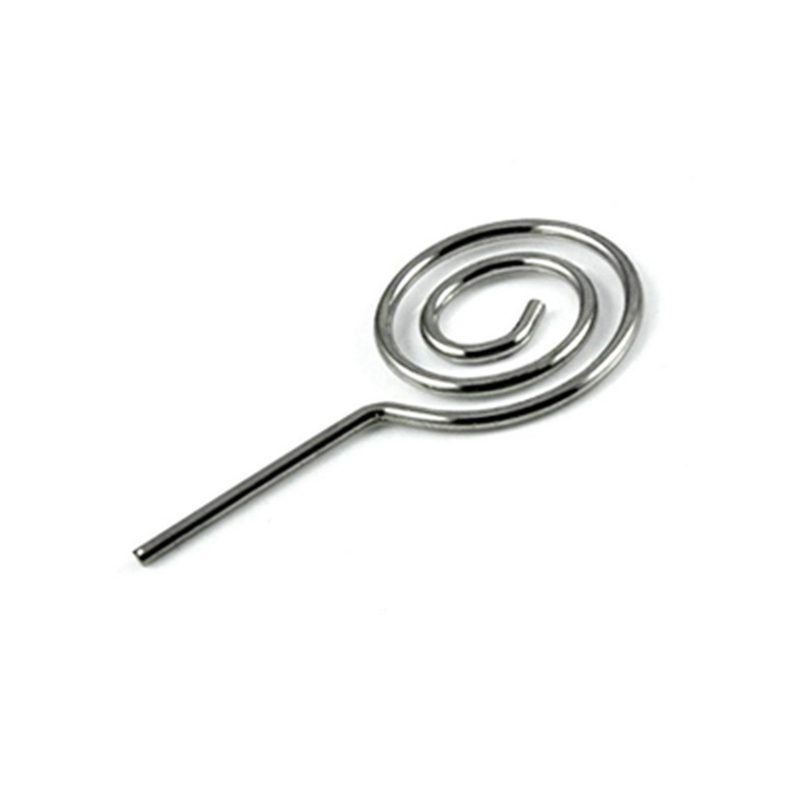
Worldwide conversations around vehicles increasingly emphasize ride comfort. Consumers are no longer satisfied with standard performance; they expect a smoother driving experience regardless of terrain. This shift has encouraged manufacturers to refine spring design and explore better materials to optimize flexibility and load response. Automotive buyers, influenced by online reviews and real-world driving comparisons, are showing more interest in how suspension components directly shape vehicle behavior. As a result, springs are gaining a place in both technical discussions and consumer-level decision-making.
Lightweight design continues to be a major topic within global automotive forums, particularly in regions that are promoting fuel-efficient or new-energy vehicles. Springs play an essential role in this trend because their weight, structure, and elasticity can significantly impact vehicle efficiency. Many engineers are now exploring how improved spring designs may support more energy-efficient models without sacrificing safety or structural endurance. This has pushed suppliers to innovate with materials and production methods that accommodate lighter builds while maintaining essential mechanical strength.
The automotive aftermarket has expanded rapidly, with vehicle owners increasingly relying on online channels to source quality replacement components. Social media communities focused on DIY vehicle maintenance are driving discussions about how to select reliable springs, what signals indicate wear, and which brands or suppliers provide dependable solutions. This shift toward digital purchasing behavior has placed reputable spring manufacturers in a better position, particularly those capable of offering stable quality and transparent sourcing. The market is no longer solely driven by vehicle producers—individual consumers and repair shops now play a major role in shaping demand.
Sustainability remains a recurring theme in industry reports and global automotive exhibitions. Manufacturers are seeking environmentally responsible processing methods that reduce waste and improve material efficiency. Springs, especially those used in high-volume automotive production, are under increasing scrutiny for how they are made, treated, and recycled. Suppliers who adopt cleaner processes or more efficient heat-treatment solutions gain more attention from industrial buyers prioritizing environmental commitments. For retailers and distributors, this growing concern adds value to springs that are traceable and responsibly produced.
Automation and intelligent monitoring systems are now shaping how mechanical components are produced. Smart factories provide more accurate spring forming, improved consistency, and reduced defects, features that global buyers are actively discussing online. As global industries lean toward predictive maintenance and digital quality control, springs used in vehicles must match higher expectations. This new era of smarter mechanical engineering positions spring suppliers to upgrade their offerings and adapt to a market that values precision as much as durability.
With consumer expectations shifting, sustainability gaining importance, and the aftermarket growing stronger, the conversation around vehicle components continues to expand. A high-performing Automotive Spring or Compression Spring is no longer viewed as a basic mechanical accessory—it is recognized as an important contributor to driving stability, long-term safety, and overall vehicle experience. As global discussions evolve, these components will remain essential topics within both professional engineering circles and consumer-focused automotive communities.

QUICK LINKS
PRODUCTS
If you have any questions, please get in touch with us.
Tel: +86-13626772101
WhatsApp: +86-13626772101
Add: Ningdeli Spring, Danxi First Industrial Zone, Danxi Town, Yueqing City, Zhejiang

Wholesale Springs Manufacturer