English
 中文简体
中文简体 русский
 Español
 Deutsch
ndl ndl ndl ndl ndl ndl ndl ndl ndl ndl ndl ndl ndl ndl ndl ndl
There's a component inside virtually every vehicle that drivers interact with dozens of times a day without ever registering its existence. It's the tension that catches a glove box lid before it swings free. It's the resistance in a seat track that gives you confidence the adjustment will hold. It's that half-second of deliberate push-back when you press a dashboard button — the tactile signal that something actually happened.
That component is a spring. And in most cases, it's been underspecified.
At Ningdeli, we've been manufacturing precision automotive springs long enough to have watched the same oversight repeat itself across development cycles. Engineers devote enormous effort to powertrain calibration, ADAS tuning, and surface material selection, then treat interior spring components as a purchasing afterthought. The consequence isn't always a warranty claim or a field failure — sometimes it's subtler than that. It's a glove box that feels vaguely flimsy on a vehicle that costs fifty thousand dollars. A sun visor that doesn't stay where you put it. An armrest latch that clicks just slightly wrong.
These are quality perception problems, and they start with a spring.
The instinct to treat interior springs as commodity hardware is understandable. They're small, they're rarely visible, and the load requirements are modest compared to suspension coils or valve springs. But modest load requirements don't mean forgiving ones.
Consider a cup holder mechanism that cycles through open and close over the lifetime of a vehicle — that's tens of thousands of actuation cycles, often under static preload, in an environment that shifts between -30°C during a northern winter and upwards of 80°C in a sun-parked cabin. Wire that performs perfectly in a controlled lab environment behaves differently after a thousand thermal cycles combined with the low-frequency vibration signature of real-world driving. Fatigue failure in these conditions doesn't announce itself early. It accumulates quietly, then shows up in a warranty report eighteen months post-delivery.
Material selection is where this gets addressed — or doesn't. High-carbon steel and chrome-silicon alloys behave differently under prolonged load. End treatment affects how stress concentrates at the coil terminus. Surface finishing, which engineers frequently leave underspecified on interior components because corrosion seems like an underhood concern, matters more than expected. Condensation, plastic outgassing, and humidity cycling in a sealed cabin create a slow oxidation environment that degrades fatigue life in ways that standard salt-spray thinking doesn't fully capture.
In our experience reviewing application drawings from new customers, the most commonly incomplete specifications aren't the obvious ones. Wire diameter, free length, and spring rate are almost always present. What's missing is surface treatment detail, end configuration tolerance, and — critically — the load-deflection curve across the operating temperature range rather than at room temperature alone.
For a seat adjustment spring carrying continuous preload, that temperature dependency matters. A spring sized for correct feel at 20°C can read noticeably stiffer at -20°C, altering the perceived effort required to move the seat in cold-weather markets. For a North American or European OEM, that's not a marginal concern.
Getting ahead of this during the design phase is straightforward when the supplier is engaged early. It requires conversation — about operating environment, cycle targets, packaging constraints, and what failure mode is least acceptable. That's a different relationship than submitting a print and receiving a quote.
Our production facilities hold IATF 16949:2016 certification, the quality management standard the automotive supply chain runs on. It's worth explaining what this looks like beyond the certificate.
IATF 16949 requires us to maintain control plans tied to each part number, run measurement system analysis on our coiling and testing equipment, and apply statistical process control to critical characteristics — pitch consistency, load at specified deflection, and surface finish among them. Every production lot traces to an inspection record. Our corrective action process is documented and audited, not theoretical.
For a tier supplier qualifying a new spring source, this means the process is auditable before something goes wrong, not after.
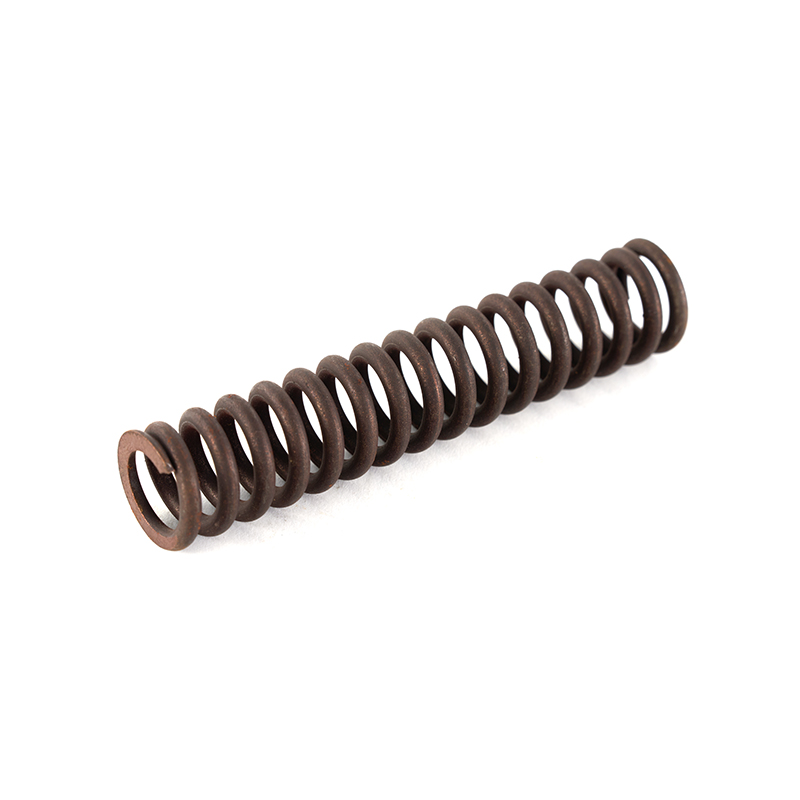
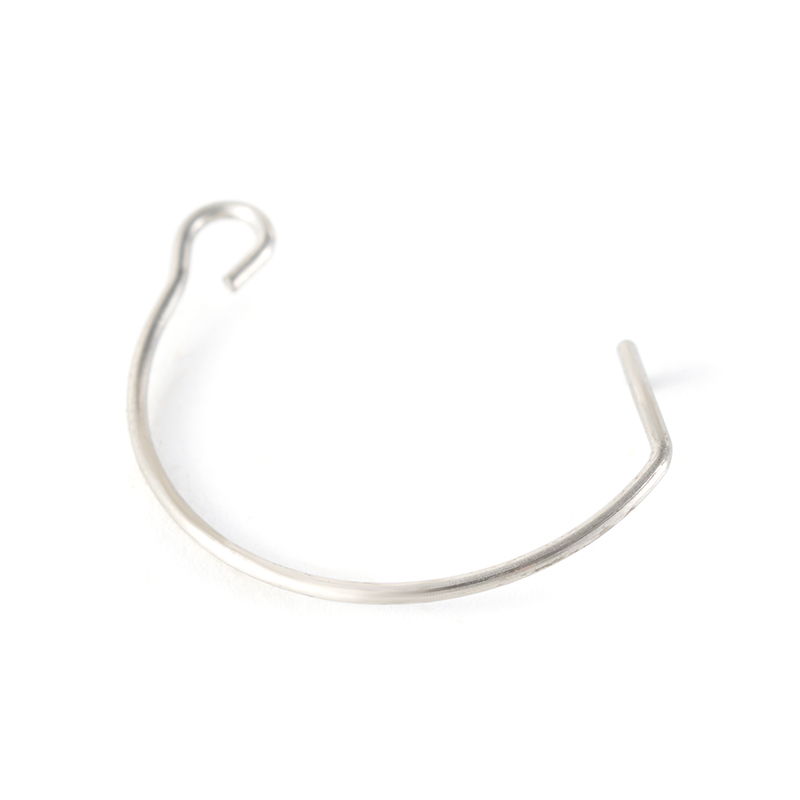
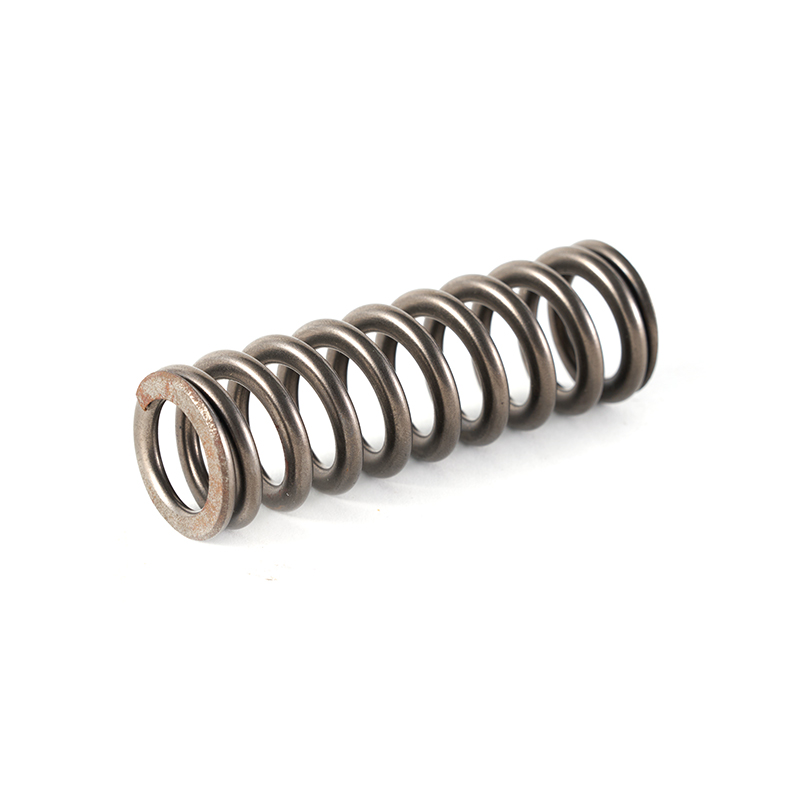
Ningdeli's automotive interior springs serve a range of in-cabin systems: glove compartment latches, HVAC vent positioning mechanisms, seat recline and track assemblies, vanity mirror covers, armrest hinges, button-return devices, and console drawer damping systems. Each application brings its own constraint set — spatial packaging, cycle life requirements, feel target — but the common thread is that the spring's behavior is directly communicated to the vehicle occupant through touch.
Unlike a sealing gasket or a structural bracket, an interior spring has no opportunity to hide its performance. Every user interaction is, in a sense, a live quality audit.
Getting that right is a precision manufacturing problem. It's also a design collaboration problem. We're set up for both.

QUICK LINKS
PRODUCTS
If you have any questions, please get in touch with us.
Tel: +86-13626772101
WhatsApp: +86-13626772101
Add: Ningdeli Spring, Danxi First Industrial Zone, Danxi Town, Yueqing City, Zhejiang

Wholesale Springs Manufacturer