English
 中文简体
中文简体 русский
 Español
 Deutsch
ndl ndl ndl ndl ndl ndl ndl ndl ndl ndl ndl ndl ndl ndl ndl ndl
Healthcare devices often look simple from the outside, but inside they contain a mix of mechanical movements that support different functions. These movements are not all the same. Some involve pushing action, some involve pulling back, and some require rotation or flexible support.
Because of this, a single spring design cannot meet every requirement.
In real applications, each movement inside a medical device needs a specific type of spring behavior. That is why different structures are used instead of a universal solution.
A Medical Spring is selected based on how it interacts with the device, not just its shape or size. The goal is to match movement behavior with real working conditions.
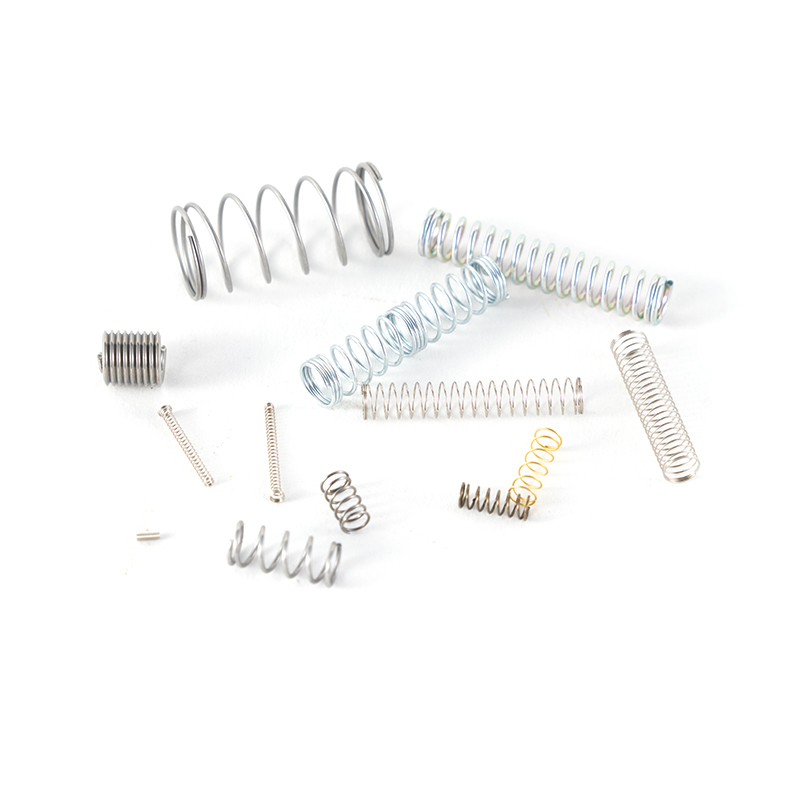
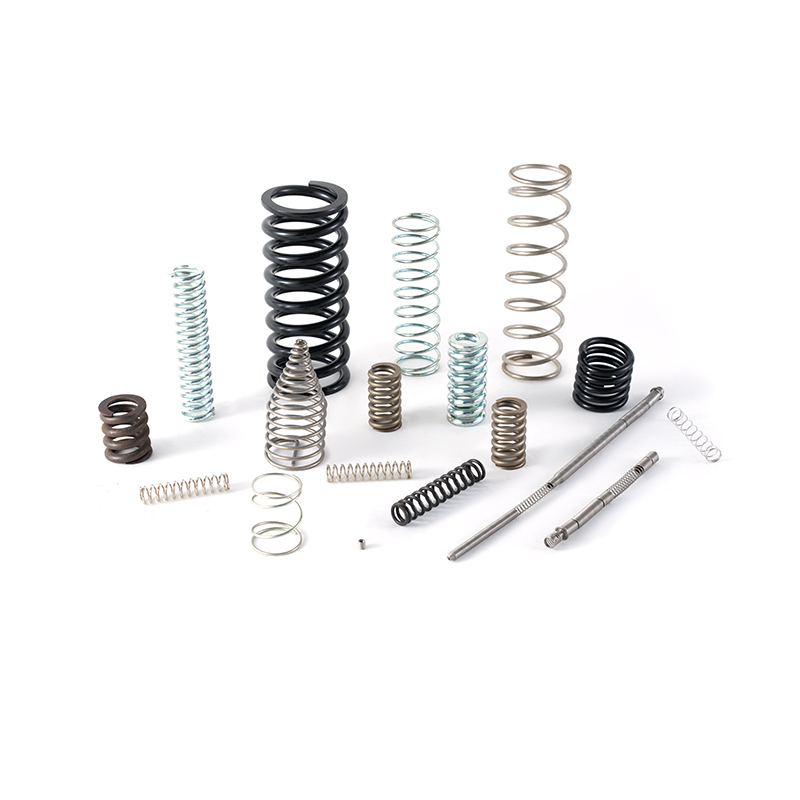
In healthcare equipment, several spring structures are used depending on how the internal mechanism moves. Each type has a different role inside the system.
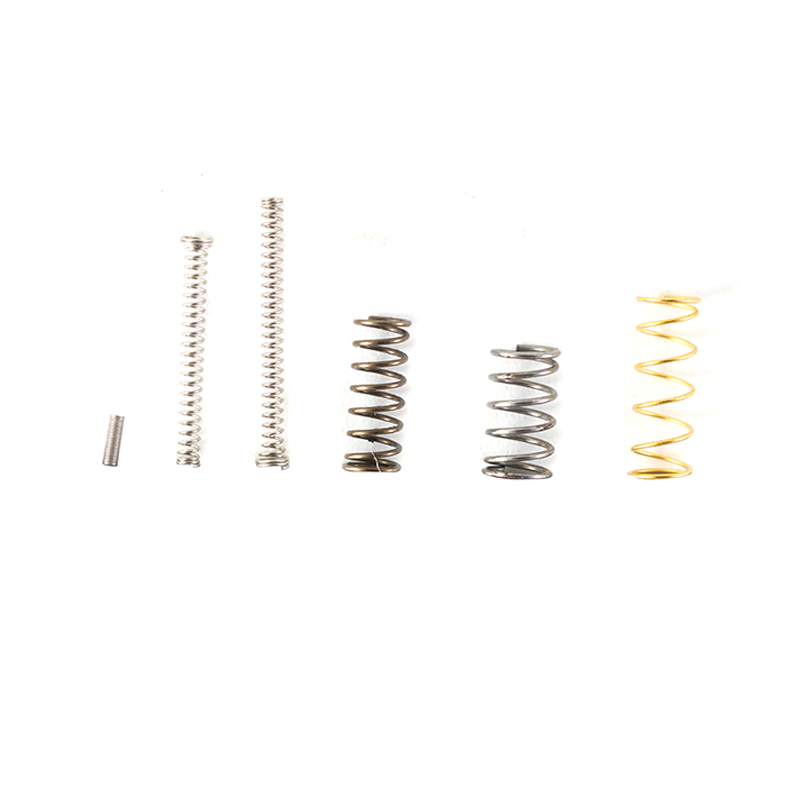
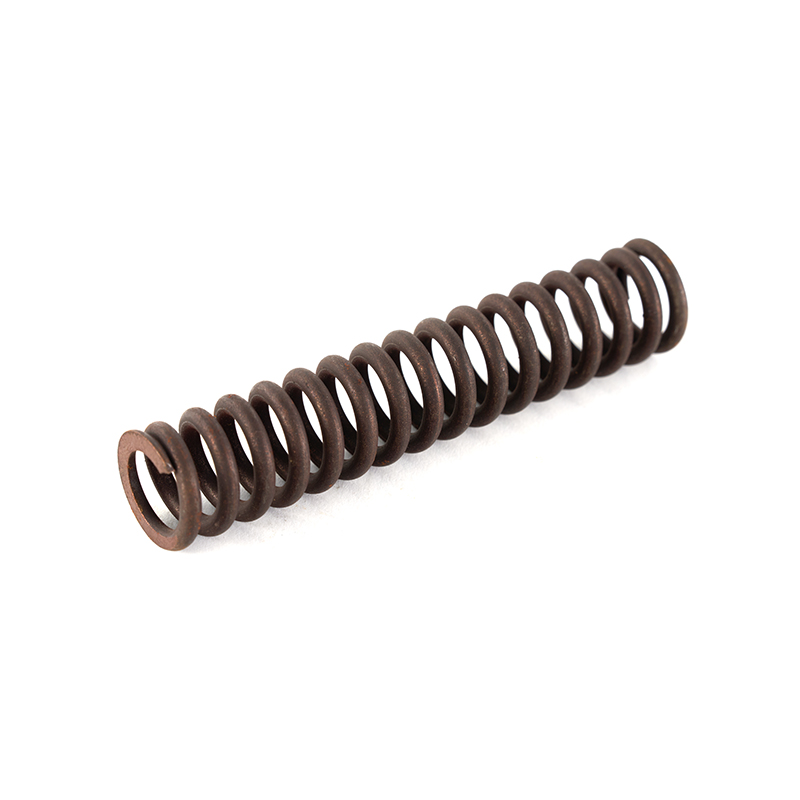
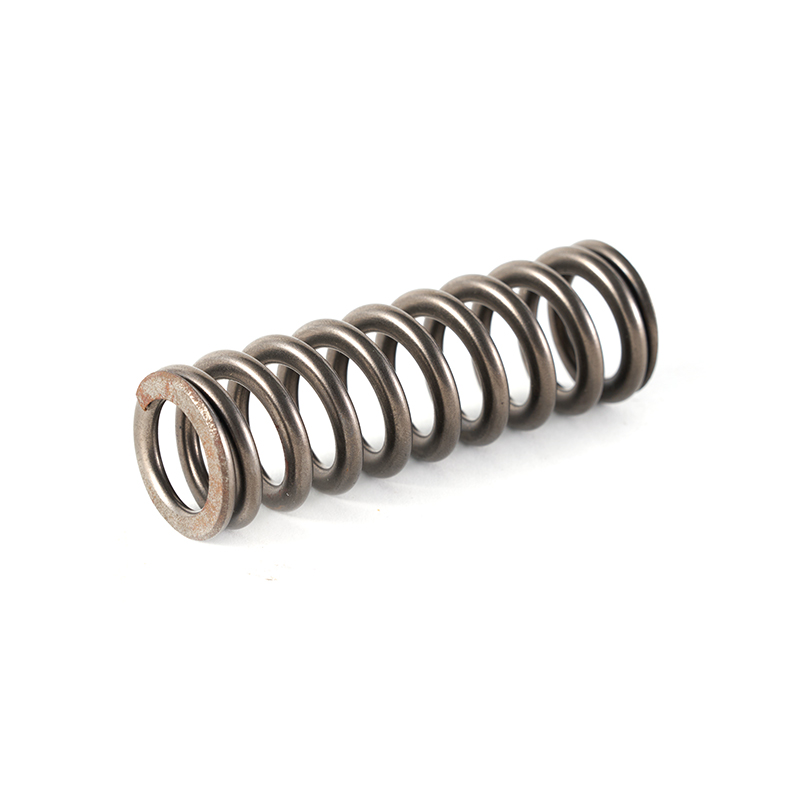
Compression springs are the most widely used structure in medical devices.
They are designed to work when force is applied to compress them, and they return to their original shape once the force is removed.
Inside medical equipment, this type is commonly used in push mechanisms, internal support structures, and return systems.
For example, in handheld diagnostic tools, compression springs are often placed under buttons or control parts. When the user presses, the spring compresses and provides a controlled return feel.
In more complex medical systems, compression springs are used inside mechanical assemblies where repeated linear movement is required.
What makes this type important is not only its function, but its ability to behave in a stable way during repeated cycles. In real use, these springs may be activated many times, so consistency becomes more important than initial force response.
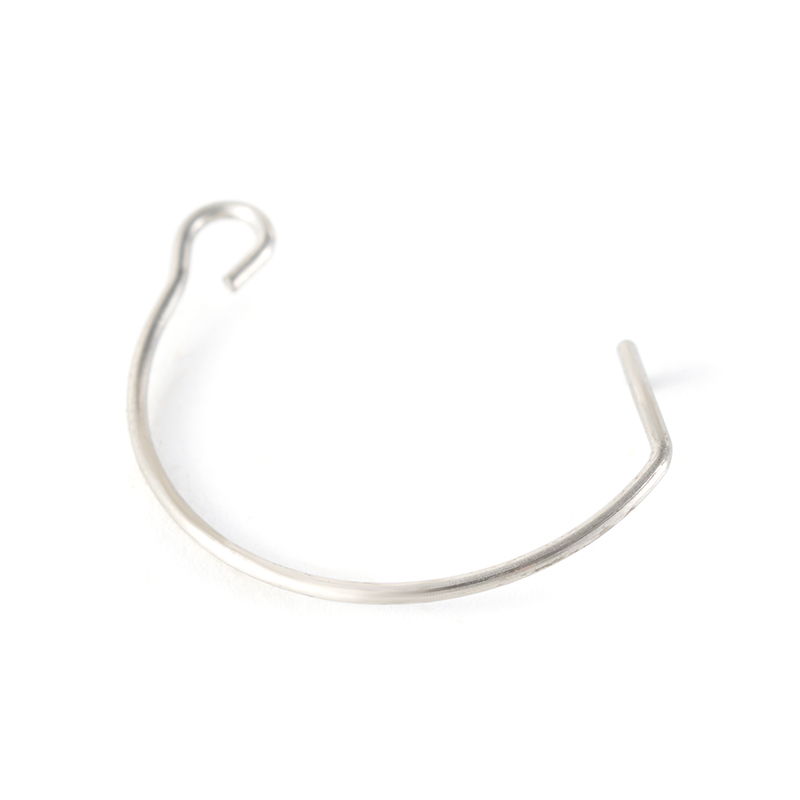
Extension springs work differently from compression types. Instead of being pushed, they are designed to work under tension.
They are stretched when force is applied, and they return to their original position when the force is removed.
In healthcare devices, this type is often used in return mechanisms. These are systems where a part needs to move away from its position and then come back smoothly.
A common use case is in adjustment mechanisms or internal moving parts that require controlled pull-back behavior.
In real applications, engineers care more about how stable the return motion is rather than how strong the pulling force feels at the beginning.
If the return becomes uneven after repeated use, the device may feel inconsistent during operation, even if it still functions.
Torsion springs are used in systems where movement is not linear, but rotational.
Instead of pushing or pulling, they store energy when twisted and release it when returning to position.
In medical devices, torsion springs are commonly used in rotating adjustment parts, control knobs, and hinged structures.
These components are often part of systems where users need to turn or adjust something manually.
The important point here is not the rotation itself, but how controlled and predictable the movement feels during operation.
If the rotational return is unstable or inconsistent, it can affect how precisely the device is adjusted.
That is why torsion springs are often used in systems where controlled rotation matters more than strength.
Flat springs are different from coil-based designs. Instead of winding, they rely on bending to generate force.
In medical devices, this structure is used when space is limited or when the design requires a flat mechanical layout.
They are often found in contact systems, locking mechanisms, or compact structural areas inside devices.
One reason this type is chosen is because it can be integrated into narrow spaces without interfering with other components.
In real applications, flat springs are not only about saving space. They also help maintain controlled mechanical contact in areas where coil springs may not fit properly.
Miniature springs are widely used in modern healthcare devices, especially in portable or handheld equipment.
These springs are small in size but still need to perform stable mechanical movement.
They are often used in diagnostic tools, compact instruments, and precision medical devices where internal space is very limited.
Even though they are small, the performance requirement is not reduced.
In fact, smaller springs can sometimes be more sensitive to variation during production or use.
That is why consistency is important even at miniature scale.
Even if springs are classified into different types, their real behavior depends on how they are used inside a system.
In medical devices, springs are rarely used alone. They work together with plastic parts, metal structures, or electronic assemblies.
This means the environment around the spring influences its behavior.
For example, a compression spring used in a slow mechanical system may behave differently from one used in a fast repetitive mechanism.
Over time, repeated movement can also change how the spring feels inside the device.
This is why real performance evaluation usually happens after installation, not only during design stage.
In real engineering practice, spring selection is not based only on category or shape.
Instead, it is based on how the spring will behave inside the final product.
Engineers usually consider practical questions such as:
These questions help determine which spring structure is suitable for the application.
What happens when the wrong spring type is used in a device
If a spring type does not match the actual movement requirement, the system may still work, but the behavior may feel unstable over time.
For example, if a compression mechanism is replaced with a structure that does not provide consistent return behavior, the movement may feel uneven after repeated use.
In other cases, incorrect spring selection can lead to inconsistent force response inside the system.
These issues are not always visible immediately. They often appear after long-term operation.
That is why proper matching is important in medical device design.
Why consistency matters more than initial performance in healthcare equipment
In medical applications, springs are often used in systems that operate repeatedly.
At the beginning, most springs may behave similarly. But over time, differences can appear depending on usage conditions.
If multiple springs are used in the same device, even small variation can affect overall movement balance.
This does not necessarily stop the device from working, but it can influence how smooth the operation feels.
Because of this, consistency across production becomes an important factor in medical spring manufacturing.
How real working conditions influence spring behavior
A spring does not operate in isolation. It is always affected by its environment.
In medical devices, conditions such as repeated movement, surrounding structure, and installation method all influence how the spring behaves over time.
Even small differences in how a spring is installed can lead to different movement behavior during operation.
This is why real-world performance is often different from theoretical expectations.
Simple comparison of medical spring types based on function
| Spring type | Movement style | Typical role in medical devices |
|---|---|---|
| Compression spring | Push and return motion | Internal mechanical support and button systems |
| Extension spring | Stretch and recovery motion | Return mechanisms and tension control |
| Torsion spring | Rotational movement | Adjustment and turning components |
| Flat spring | Bending motion | Compact structure and contact systems |
| Miniature spring | Small-scale movement | Portable and precision medical devices |
Medical springs are not defined only by their shape or category. Their real value comes from how they behave inside healthcare devices during repeated operation.
Different types exist because medical equipment itself is not uniform. Each device has its own movement requirement, space limitation, and operating condition.
In practical engineering use, the focus is always on matching spring behavior with real system movement, rather than relying only on theoretical classification.
When the selection is aligned with actual application needs, the device tends to operate more consistently during long-term use.

QUICK LINKS
PRODUCTS
If you have any questions, please get in touch with us.
Tel: +86-13626772101
WhatsApp: +86-13626772101
Add: Ningdeli Spring, Danxi First Industrial Zone, Danxi Town, Yueqing City, Zhejiang

Wholesale Springs Manufacturer