English
 中文简体
中文简体 русский
 Español
 Deutsch
ndl ndl ndl ndl ndl ndl ndl ndl ndl ndl ndl ndl ndl ndl ndl ndl
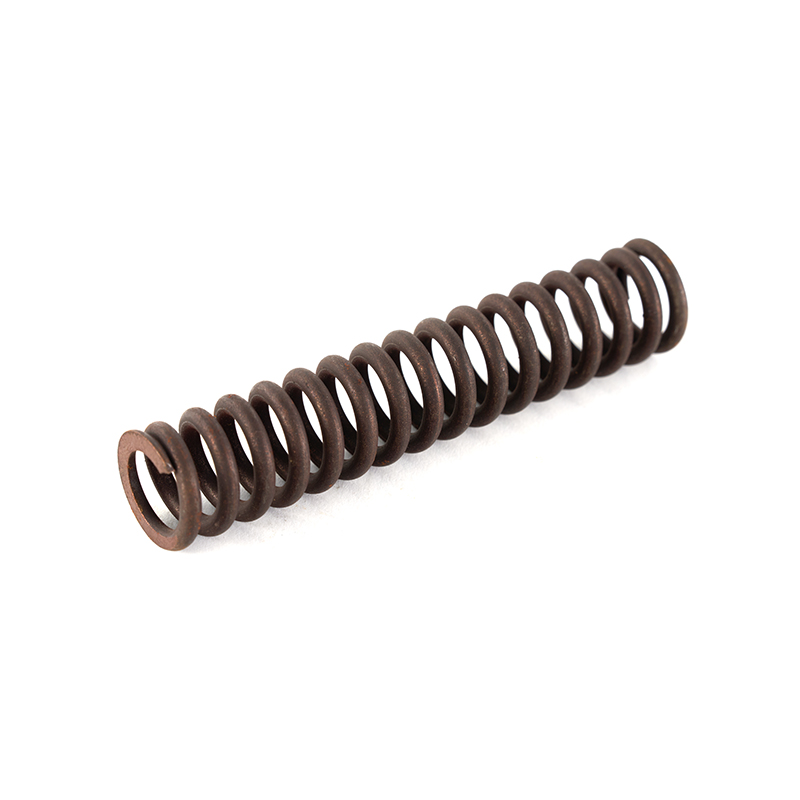
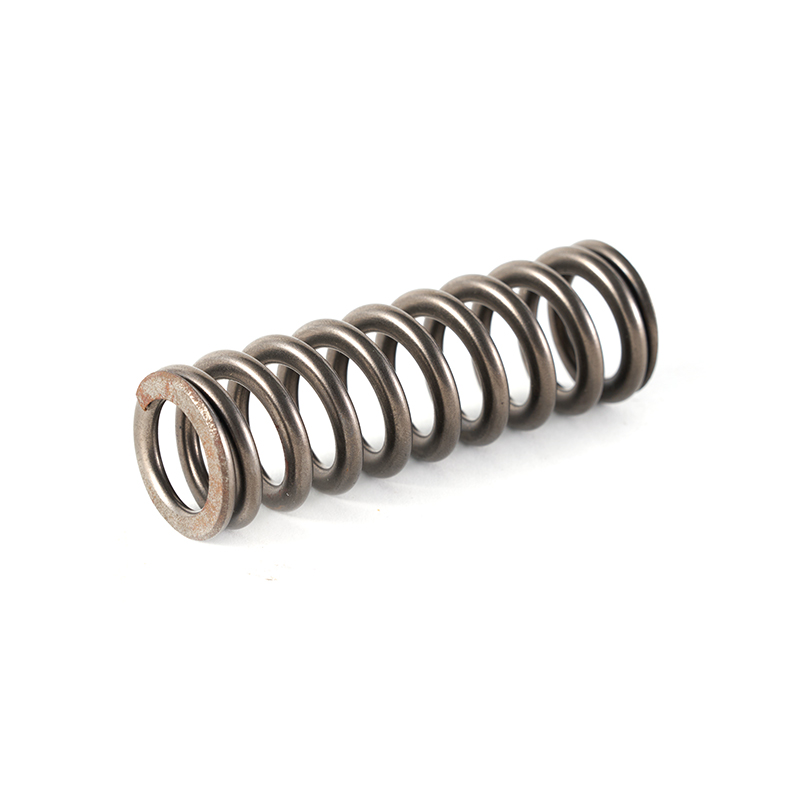
A Wholesale Tension Spring is a mechanical part that works under pulling force. It stretches when force is applied, then returns back when the force is released. In many mechanical setups, it is used to help parts move in a controlled way rather than freely snapping back.
The working idea is not complicated. When both ends of the spring are pulled apart, the coil tightens its internal structure and creates resistance. That resistance turns into a pulling force that can be used to guide movement or keep parts aligned.
In practical use, the behavior usually shows up like this
A tension spring is often placed where movement needs to feel controlled instead of loose or unpredictable. In some systems it is part of a return mechanism, in others it simply keeps two components in balance.
A Wholesale Tension Spring appears in many kinds of equipment where pulling and returning movement is needed. It is usually not the main visible part, but it plays a supporting role in how the system behaves.
Common usage can be found in
In smaller equipment, the spring is often hidden inside the structure. In larger machines, it may be easier to see and replace when needed.
| Application Area | What the Spring Does | Movement Style |
|---|---|---|
| Mechanical arms | Helps return motion | Repeated pull and release |
| Door systems | Controls closing | Guided movement |
| Agricultural tools | Supports motion stability | Continuous use |
| Industrial tools | Helps reset position | Cyclic action |
| Household devices | Assists movement | Light mechanical pull |
The material used in a Wholesale Tension Spring has a direct impact on how it behaves during use. Different materials respond differently when exposed to force, air, or repeated stretching.
In general production, common material choices include
Each material behaves slightly differently depending on where the spring is used. For example, some materials are more stable when exposed to moisture, while others are better suited for constant mechanical movement indoors.
Things usually considered when selecting material
A Wholesale Tension Spring made with the right material tends to behave more predictably during long use.
The wire diameter and coil structure are two of the main factors that shape how a Wholesale Tension Spring behaves. Even small changes in these areas can affect how it feels in actual use.
| Design Factor | What Changes | What You Notice in Use |
|---|---|---|
| Thicker wire | More resistance | Harder to stretch, stronger pull |
| Thinner wire | Less resistance | Easier movement, lighter force |
| Tight coils | Compact motion | More controlled extension |
| Wider coils | Flexible motion | Smoother stretching range |
In many real cases, a Wholesale Tension Spring from standard stock does not always match the movement or space inside a machine. Mechanical systems are rarely identical, even when they look similar from the outside. Small differences in layout or motion path can change how the spring needs to behave.
This is where custom design becomes part of the discussion. Instead of adjusting the machine to fit the spring, the spring is adjusted to fit the machine. That approach helps reduce friction in assembly and keeps movement more predictable.
Common reasons for custom requirements include
A Wholesale Tension Spring in custom form is usually shaped and adjusted to match these conditions rather than forcing a general design into a specific system.
Selecting a Wholesale Tension Spring often depends on how it will interact with the rest of the mechanical system. Instead of focusing on a single feature, the decision usually comes from how the spring behaves in movement.
One key point is the type of motion involved. Some systems use slow and steady pulling, while others rely on quick return action. The spring needs to respond in a way that feels consistent with that motion.
Another point is how the spring connects to surrounding parts. If the connection is too rigid or too loose, the overall movement may feel unstable. The shape of the ends and how they attach can change the overall behavior more than expected.
Environmental conditions also play a role. In clean indoor setups, the focus is often on smooth movement. In harsher surroundings, stability and surface protection become more important considerations.
In the production of a Wholesale Tension Spring, consistency is often more important than appearance. Each unit is expected to behave in a similar way when used in mechanical systems, especially when many pieces are installed together.
The process usually begins with checking raw material condition before shaping. This helps reduce unexpected changes during forming. After that, the spring is shaped and coiled, and basic structural checks are carried out to confirm alignment and form stability.
Once the spring takes shape, attention shifts to how it responds under pulling force. This step is important because even small differences in structure can affect how the spring behaves in motion. The goal is to keep movement predictable across multiple units.
Surface condition is also reviewed. Since springs often work in repeated motion, small surface issues can affect long-term behavior. This is especially important when the spring is used in systems that run continuously.
Before leaving production, a Wholesale Tension Spring is usually checked again to make sure it matches the intended usage pattern and fits the expected mechanical role.
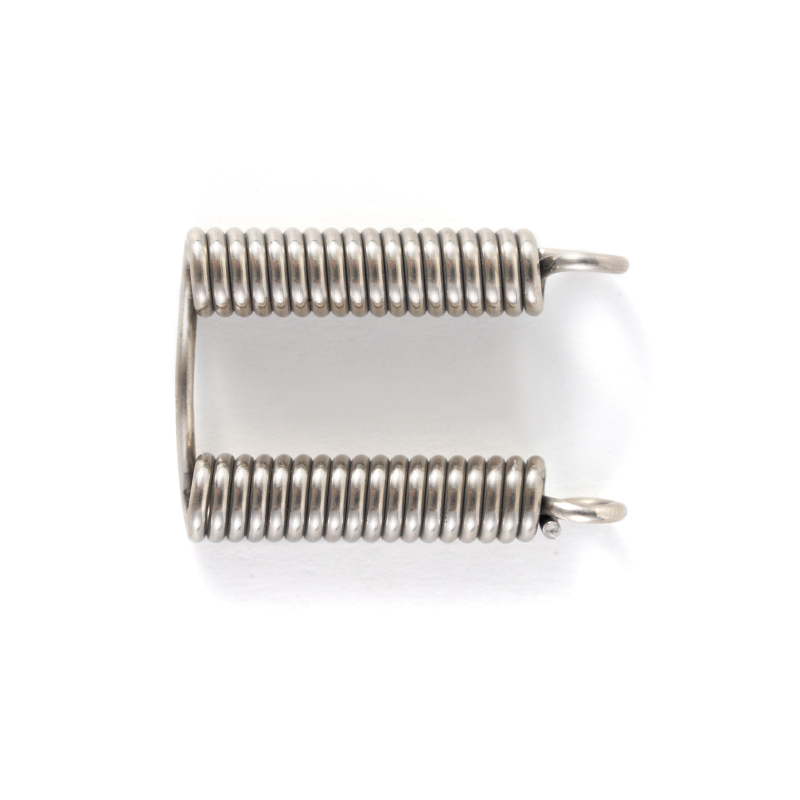
Before placing a Wholesale Tension Spring order, durability is often considered in relation to how the spring will be used rather than just how it looks. Since these components work through repeated stretching, their behavior over time matters more than their initial appearance.
One way to evaluate durability is by looking at how the spring responds after multiple cycles of movement. A stable spring tends to return to its original shape without noticeable change in tension feel. If the response starts to shift early, it may not be suitable for long-term use in repeated motion systems.
Another factor is how the spring behaves under different levels of force. In practical applications, force is rarely constant. It changes depending on how the machine operates. A reliable Wholesale Tension Spring should remain stable even when the pulling force varies within normal working conditions.
Connection points also influence durability. If the ends are not aligned properly with the system, uneven force can build up and affect performance over time. This is often overlooked but can make a noticeable difference in real use.
By observing these aspects, it becomes easier to judge whether a Wholesale Tension Spring will fit the intended application without relying on assumptions alone.

QUICK LINKS
PRODUCTS
If you have any questions, please get in touch with us.
Tel: +86-13626772101
WhatsApp: +86-13626772101
Add: Ningdeli Spring, Danxi First Industrial Zone, Danxi Town, Yueqing City, Zhejiang

Wholesale Springs Manufacturer