English
 中文简体
中文简体 русский
 Español
 Deutsch
ndl ndl ndl ndl ndl ndl ndl ndl ndl ndl ndl ndl ndl ndl ndl ndl
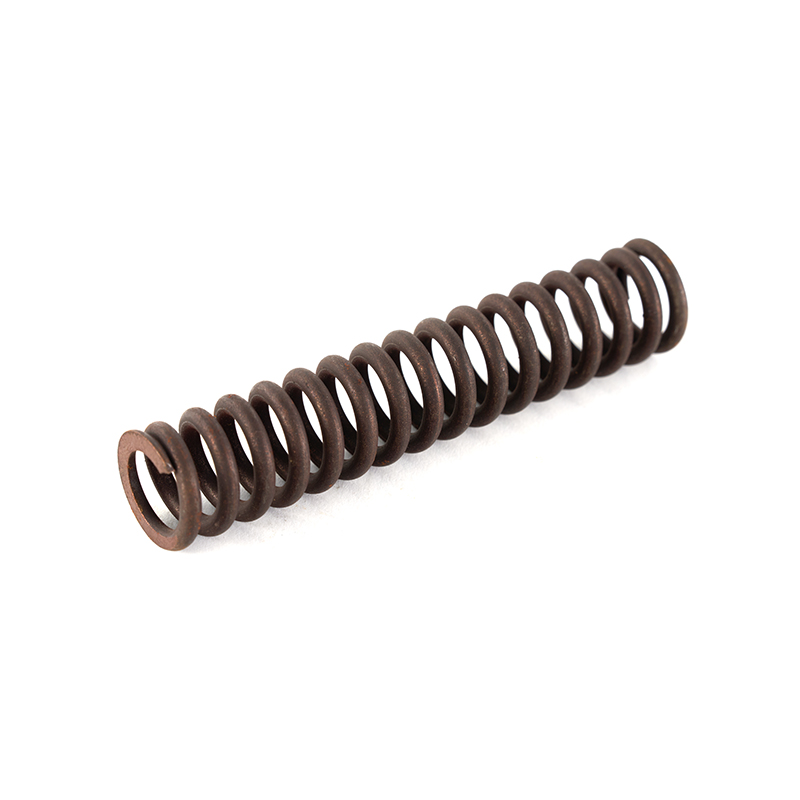
A Stretch Spring is a mechanical part that works mainly under pulling force. When force is applied, it extends. When the force is removed, it moves back to its original position. The working principle is simple, but it is used in many types of equipment.
In machines, this kind of spring is often installed between two parts that need to stay connected but still allow a small range of movement. It helps keep tension in the system and supports a smooth return motion. Because of this, it is commonly found in assemblies that rely on controlled pulling rather than fixed locking.
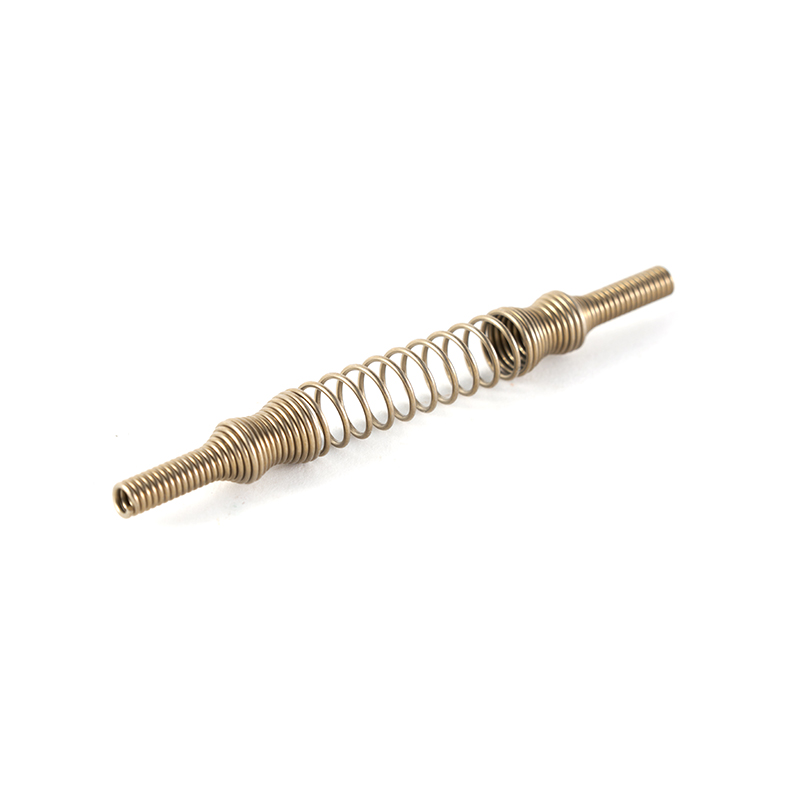
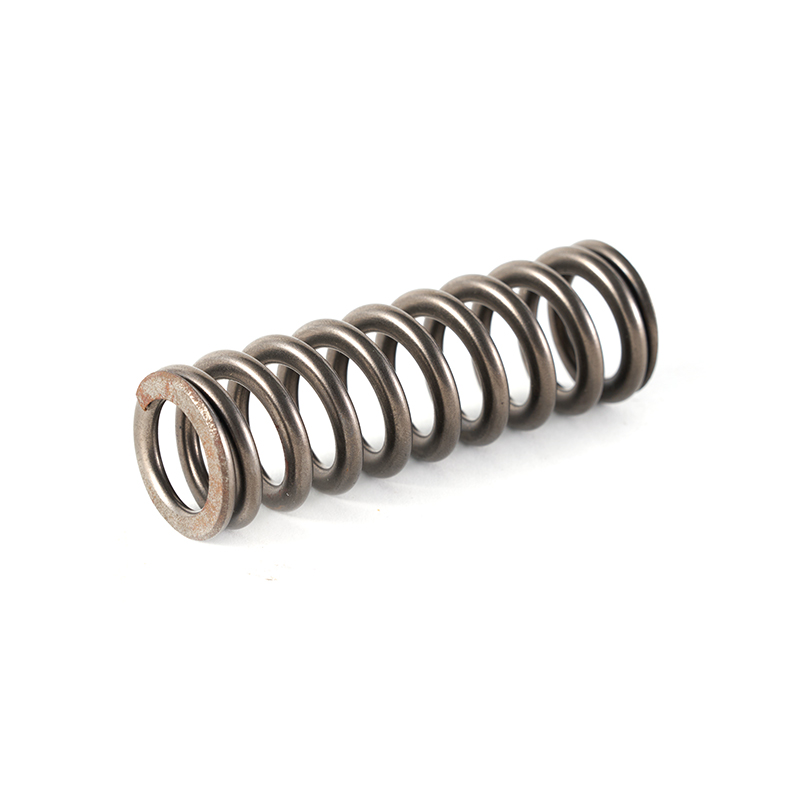
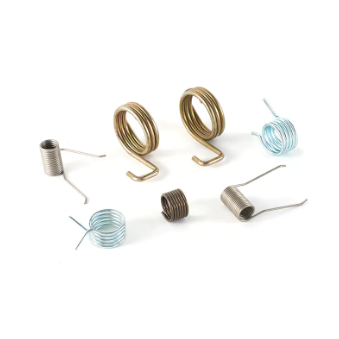
This component is usually made in a coil shape. The structure allows it to stretch and recover depending on force changes. In normal operation, the movement is easy to notice, but still stays stable and controlled.
Common functions include:
In short, it is not a multifunction part. It mainly handles one job—responding to pulling force in a controlled way.
| Pulling condition | Movement behavior | Common effect |
|---|---|---|
| Light pull | small extension | mild tension support |
| Steady pull | even stretching | smooth movement |
| Strong pull | larger extension | higher internal stress |
| Uneven pull | irregular coil spacing | less stable behavior |
The return ability comes from the material's elasticity. When the spring is stretched, energy is stored inside the coil structure. Once the force is removed, this stored energy is released, and the spring gradually moves back to its original length.
This feature makes it useful in systems that repeat the same motion again and again without manual reset. The working cycle is usually quite straightforward:
However, this behavior has limits. If the spring is stretched too far or used under heavy load for a long time, the recovery may become weaker. Over time, return speed and accuracy can also drop slightly.
In normal applications, its value comes from combining movement and recovery in one simple part, which is why it is widely used in repeated motion systems.
| Material type | General behavior in use | Typical application |
|---|---|---|
| Carbon steel wire | stable tension, solid feel | general mechanical systems |
| Stainless steel wire | better moisture resistance | humid or outdoor environments |
| Alloy steel wire | balanced flexibility under repeated motion | frequent movement systems |
After choosing the material, selection usually depends on how the spring will actually work in real conditions. Different systems apply different force levels, cycles, and space limits, so the same spring can behave differently.
Selection is usually based on a few basic points:
A simple system and a high-frequency machine usually cannot use the same type even if the shape looks similar.
Some practical matching ideas:
A spring performs best when it stays within its designed working range. Outside that range, behavior becomes less predictable.
Once in use, performance depends more on working conditions than initial selection. Even a suitable spring can change behavior over time.
One important factor is how often it is stretched. Repeated cycles slowly affect the internal structure, although the change is not immediate.
Another factor is force level. A spring that is constantly used near its limit will behave differently from one working under moderate load.
Environmental conditions also matter. Moisture, air exposure, and temperature changes can gradually affect movement smoothness and recovery.
Common influencing factors include:
A spring used within a balanced range usually keeps more stable performance. If it is frequently pushed too hard, small changes like slower return or uneven extension may appear over time.
| Common use area | Role in system | What it helps with |
|---|---|---|
| Mechanical assemblies | maintains tension between parts | stable movement |
| Closing mechanisms | supports return action | smooth reset |
| Pull-based systems | provides controlled resistance | better motion control |
| Repeated motion setups | handles extension and recovery | consistent operation |
A Stretch Spring does not last forever in continuous operation. Even if it is properly made, repeated use will slowly change its behavior.
One early sign is slower return after release. The spring may not fully go back to its original length as smoothly as before. Coil spacing may also start to look slightly uneven.
Other common signs include:
In practical systems, replacement is usually done before problems affect the whole mechanism. This helps keep the system stable and avoids extra load on surrounding parts.
Correct installation is important for stable performance. If alignment is wrong or force is uneven, the spring may wear faster or behave unpredictably.
Key installation points:
A properly installed spring usually works more smoothly and lasts longer. Poor installation often leads to uneven force distribution and early performance drop.
Long-term stability depends mostly on how it is used every day. Even a good spring can lose performance if working conditions are not controlled.
Helpful practices include:
In general, stable load and proper alignment matter more than anything else. When the working condition stays balanced, the spring usually keeps more consistent response and longer service life.

QUICK LINKS
PRODUCTS
If you have any questions, please get in touch with us.
Tel: +86-13626772101
WhatsApp: +86-13626772101
Add: Ningdeli Spring, Danxi First Industrial Zone, Danxi Town, Yueqing City, Zhejiang

Wholesale Springs Manufacturer